
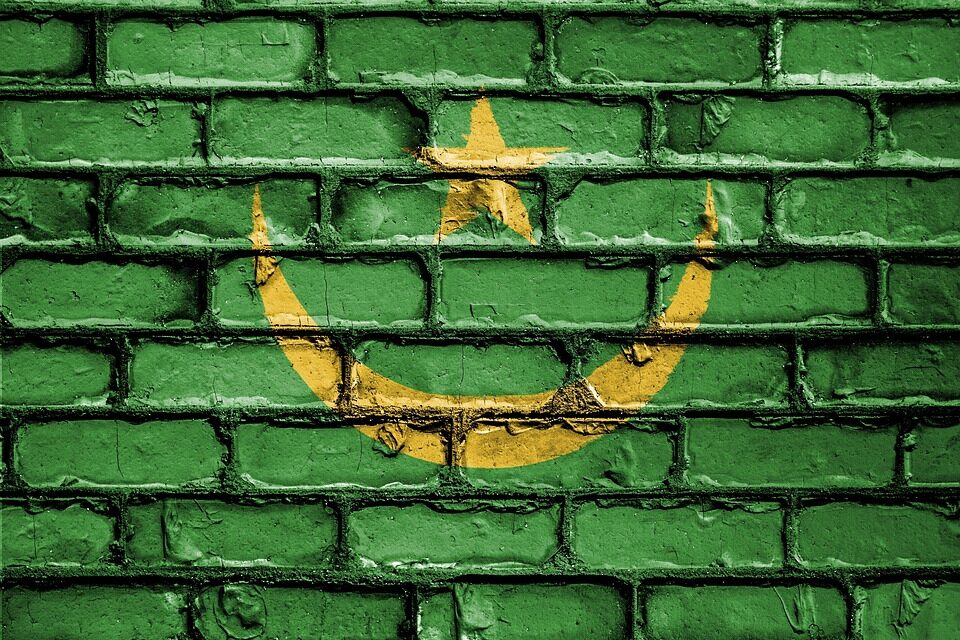
Mauritania’s Best-Kept Secrets: Off-the-Beaten-Path Adventures Await
If you’re looking for an undiscovered gem, where raw natural beauty, adventures steeped in heritage, and a tapestry of cultures come together, let us tempt you with Mauritania. Sleeping quietly on the fringes of North Africa, this mysterious land offers more than just sand dunes and desert vistas. In this article, we’ll unveil Mauritania’s best-kept secrets – attractions and experiences that are far from the busy tourist hotspots. Whether you’re an intrepid traveller or simply seeking unique destinations, Mauritania promises adventures that feed the soul.
Strap on your boots, because off-the-beaten-path adventures await in a destination you won’t forget anytime soon!
The Untouched Wonder of Mauritania
Mauritania holds an allure that’s often overlooked on the world travel map. Nestled between Morocco, Mali, Senegal, and the Atlantic Ocean, this captivating country is a unique blend of desert landscapes, traditional Nomadic cultures, and historical treasures that call out to adventurous travellers.
While most think of the Sahara as Mauritania’s dominant feature, there’s more to this epic country than meets the eye. Expect to uncover secrets such as ancient trade cities, ship graveyards, and surreal geological wonders.
Here’s your virtual passport into Mauritania’s hidden treasures.
1. Richat Structure: Mauritania’s Eye of the Sahara
Ever wondered what Earth’s bullseye looks like? Welcome to the Richat Structure, often known as the “Eye of the Sahara”, one of Mauritania’s most fascinating geological phenomena. Located in the Adrar Plateau, this massive, multi-ringed formation is visible from space—a masterpiece of nature that stirs scientific curiosity to this day.
While geologists initially thought the Eye was formed by an asteroid impact, subsequent studies revealed it’s a deeply eroded geological dome from millions of years ago. The structure spans 40 kilometres in diameter and makes for a surreal site to visit.
Insider Tip:
The best way to experience Richat is via an overland trip with local guides. Pair this visit with camping under a star-filled sky to amplify the magic of the Sahara.
2. Chinguetti: The Ancient Library City
Mauritania’s history whispers through the walls of its ancient cities, and none is more evocative than Chinguetti. Known as one of Islam’s seven holy cities, Chinguetti was a prominent stop on the trans-Saharan trade route and has stood in resilience against time and encroaching sand dunes.
The jewel of this UNESCO World Heritage site is its ancient libraries, which house priceless manuscripts on subjects ranging from science and law to the Quranic teachings. Stepping into these libraries feels like travelling back centuries to meet the scholars who once shaped Islamic culture and knowledge.
When to Visit:
The best time to explore Chinguetti is between November and February, when temperatures are more forgiving. Be sure to arrange your excursions in advance, as knowledgeable guides add immense value to the experience.
3. Nouadhibou’s Ship Graveyard
A haunting yet oddly beautiful spectacle, Nouadhibou’s Ship Graveyard is a must-visit for anyone with a taste for the unusual. Situated along the Atlantic coast, this site is where ships from around the globe came to retire. Once Mauritania’s bustling port, Nouadhibou has become an eerily quiet hub for maritime skeletons silently decaying beneath the salty breeze.
There are more than 300 rusting vessels scattered here, ranging from fishing boats to massive commercial ships. Their rusted hulks create one of the eeriest, most photographable landscapes in the country.
Pro Tip:
This is accessible by a short journey from the town of Nouadhibou. You can also combine a visit with the Cape Blanc Nature Reserve—a nearby destination famous for its monk seal colonies.
4. The Desert Train Adventure
Ready for an adventure that reads straight out of a novel? Hop aboard Mauritania’s famed iron-ore train—one of the world’s longest trains, stretching up to 2 km. With over 200 carriages transporting minerals from the mines of Zouérat to the port of Nouadhibou, this ride is raw, gritty, and not for the faint-hearted.
Travellers who dare to ride atop these trains are rewarded with jaw-dropping views of the vast Sahara and an unforgettable experience that combines thrill, discomfort, and beauty. While amenities are non-existent, the adventure is what defines Mauritania’s allure—raw and untamed.
5. The Banc d’Arguin National Park
If you’re a wildlife enthusiast, the Banc d’Arguin National Park, a UNESCO World Heritage site, awaits. This serene coastal park is a haven for migratory birds, including flamingos, pelicans, and terns. The low-lying dunes, sandy islands, and shallow waters teem with life, creating one of the most critical bird conservation areas globally.
This is also where you’ll find Mauritania’s Imraguen fishermen, who still rely on traditional methods like casting nets from wooden boats. Watching them collaborate with dolphins to herd fish is a rare and memorable sight.
Best Times for Birdwatching:
Plan your trip between November and March, when millions of migratory birds make the park their temporary home.
6. Ouadane: A Glimpse into the Past
Not far from Chinguetti lies Ouadane, an ancient desert trading post steeped in lost time. Once a thriving centre for the trans-Saharan caravan trade, this semi-ruined city offers glimpses into Mauritania’s vibrant history.
Today, its strikingly preserved architecture—adobe and stone structures—serves as a silent testimony to its former grandeur. Ouadane is a perfect destination for photography enthusiasts or anyone curious about life on the frontier of the vast Sahara.
7. Terjit Oasis: A Hidden Desert Paradise
Mauritania is synonymous with deserts, but tucked away in the Adrar region is a lush sanctuary that defies this perception—Terjit Oasis. Surrounded by towering cliffs and palm trees offering shade, this cool and tranquil haven is the perfect antidote to the harsh Sahara sun.
Relax by natural springs, breathe in the serenity, and soak in the stark beauty of green meeting sands. For the ultimate experience, schedule a night under the stars here—it’s a popular campsite for travellers exploring the Adrar region.
Navigating Mauritania: Practical Tips
Before embarking on your off-the-beaten-path adventure in Mauritania, here are a few essential tips to ensure your trip is smooth:
- Visas & Entry Requirements: Ensure you secure your Mauritanian visa in advance. Most embassies or consulates facilitate this relatively straightforward process.
- Safety First: While tourism is growing, remote travel in Mauritania comes with risks. Always travel with an experienced local guide for safety and logistical support.
- Cultural Sensitivity: Mauritania is a Muslim-majority country, so respect local customs and dress conservatively, especially in more traditional areas.
- Getting Around: Journeys can be long and challenging; 4×4 vehicles are your best bet for overland travel. Public transport in remote areas is minimal and can be unreliable.
Why Nihosi Travels & Tours Should Be Your Partner in Adventure
When planning your Mauritanian adventure, partnering with experts can make all the difference. Nihosi Travels & Tours offers tailored itineraries that delve deep into Mauritania’s rich landscapes, cities, and cultures. From guided train journeys to camping experiences beside the Richat Structure, they’ll ensure every part of your adventure is unforgettable.
Explore their website at www.nihositravels.com to discover packages designed for explorers seeking the raw beauty of Mauritania.
FAQs: Planning Your Mauritania Adventure
1. What makes Mauritania’s culture unique?
Mauritania’s culture is a harmonious blend of Arab and Berber influences, with Nomadic traditions still prevalent in rural areas. From ancient libraries in Chinguetti to Imraguen fishing traditions, its heritage is rich and diverse.
2. Can I visit Mauritania safely?
Yes, you can visit Mauritania safely by exercising common sense and precautions. Travel in groups or with local guides, and stay updated on travel advice from your government.
3. When is the best time to visit Mauritania?
November to February offers moderate temperatures, making it the ideal season for exploring Mauritania’s desert attractions and coastline.
4. How should I get around?
A 4×4 vehicle is recommended for desert landscapes. Always arrange transport with registered providers for safety.
5. Are there accommodation options in remote areas?
In cities like Nouakchott and Nouadhibou, hotels are available. However, in remote areas, camping or traditional guesthouses are the norm.
Closing Thoughts
Mauritania may not yet feature on every traveller’s bucket list, but that’s precisely its charm. This untamed land offers a treasure trove of undiscovered wonders and transformative experiences. Ready to step off the usual path and discover Mauritania’s best-kept secrets? We promise you’ll return with stories to last a lifetime.
For all your upcoming adventures, let Nihosi Travels & Tours guide the way. Adventure awaits!










Subscribe To Our Newsletter
Join our mailing list to receive the latest news and updates from our team.
You have Successfully Subscribed!