
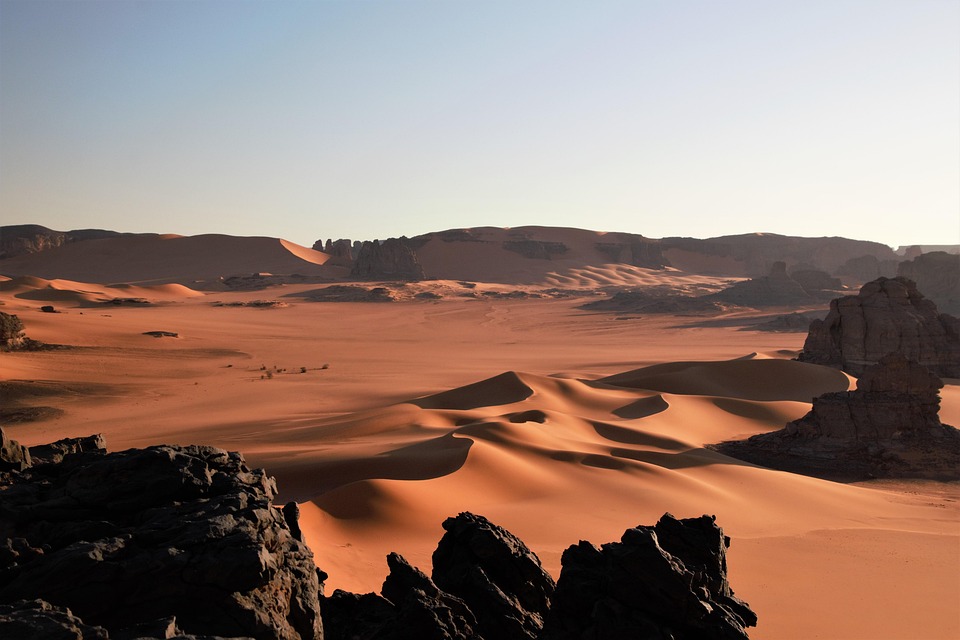
Nestled in the vibrant heart of North Africa, Algeria remains an underrated yet awe-inspiring destination. This immense country, rich in diverse landscapes, captivating history, and unique cultural charm, is a hidden gem waiting to be uncovered. From its stunning Mediterranean coastline to the dramatic dunes of the Sahara, Algeria is a treasure trove for avid travellers seeking authentic and off-the-beaten-path experiences.
If you’re planning a trip to this enchanting land, you’re in for a treat—but Algeria requires a bit of preparation to truly unlock her secrets. This detailed guide will give you all the tips, insights, and strategies you need to navigate this North African gem confidently.
Why Algeria?
Have you ever wondered why Algeria, despite being the largest country in Africa, remains under the radar for most tourists? It’s all about mystery and discovery. Algeria offers something for every traveller—whether you’re fascinated by ancient Roman ruins, dream of exploring vast deserts, or want to immerse yourself in the bustling markets of Algiers, there’s something here to take your breath away.
In 2025, Algeria is poised to take centre stage in global tourism, with many travellers predicting it to be the next big travel trend. So, why not get ahead of the curve and find out why Algeria is a must-visit destination?
1. Plan Ahead: Visa Process and Travel Documentation
Getting into Algeria requires a bit more effort than some other African countries, which is part of what shields it from mass tourism. Most travellers will need a visa before arrival. Here’s what you need to know:
- Visa Requirements: Be sure to check with the Algerian embassy or consulate in your country, as the process can take several weeks. Typically, you’ll need a completed application form, a passport valid for at least six months, passport-sized photos, proof of accommodation, and a return flight ticket.
- Travel Insurance: Travel insurance isn’t just recommended—it’s essential. Ensure your policy covers medical emergencies, especially if you plan to venture into the Sahara.
- Currency: The local currency is the Algerian dinar (DZD). Exchange rates can vary, so check the current rates before arrival. Also, cash is king in Algeria; credit cards are only widely accepted in major hotels and upscale restaurants.
Pro Tip: Make a few extra copies of your travel documents, and carry one with you at all times during your adventures.
2. Best Times to Visit Algeria
Timing is crucial when planning your trip to Algeria, especially due to its contrasting landscapes and climates.
- Spring (March to May): This is the best time to visit most parts of the country. The weather is mild, the coastlines are stunningly green, and the desert is just warm enough to explore comfortably.
- Autumn (September to November): Another favourable time, with cooler weather and fewer tourists. It’s also ideal for hiking in the Aurès Mountains or exploring ancient sites.
- Summer (June to August): Coastal areas are pleasant, but the Sahara can be unbearably hot, with temperatures exceeding 45°C.
- Winter (December to February): Perfect for desert treks and experiencing the beauty of the Sahara’s chilly, star-filled nights.
Did You Know? Algeria experiences snow during winter in regions like the Kabylie Mountains, making it an unexpected destination for winter wonderland enthusiasts!
3. Top Attractions: Must-See Highlights
Algeria boasts a wealth of stunning destinations, each offering distinct experiences. From lively cities to remote oases, here are some of the top attractions you simply can’t miss:
Algiers – The White City
The capital of Algeria, Algiers, combines modern elegance with historic charm. Stroll through the Kasbah of Algiers, a UNESCO World Heritage Site, and lose yourself in its maze of narrow alleys, ancient Ottoman-era houses, and bustling souks. Don’t forget the Notre Dame d’Afrique, a stunning cathedral that offers breathtaking views of the Mediterranean.
Roman Ruins of Timgad
Step back in time at Timgad, an impeccably preserved Roman city. Known as the “Pompeii of North Africa,” it’s a history lover’s paradise with its grid-like streets, ancient theatres, and triumphal arches.
Sahara Desert
No trip to Algeria is complete without venturing into the Sahara Desert, which covers 85% of the country. Marvel at the golden dunes of the Tassili n’Ajjer National Park, explore prehistoric rock art, or enjoy a camel trek through this vast expanse of beauty.
Coastal Retreats
Algeria’s Mediterranean coast stretches for over 1,600 kilometres. Popular spots like Tipaza, with its ancient ruins by the sea, or the beaches of Oran, are perfect for soaking in the sun and enjoying fresh seafood.
Ghardaïa – The Pearl of the M’Zab Valley
If you’re drawn to architecture and culture, Ghardaïa in the M’Zab Valley is a must-visit. With its unique desert architecture and thriving Berber community, it’s as authentic as it gets.
4. What to Know About Algerian Culture and Etiquette
Algeria is rooted in deep cultural traditions shaped by a mix of Arab, Berber, and Ottoman influences. Observing local customs and showing respect for their way of life will enrich your travel experience.
- Dress Modestly: Algeria is a conservative country. While tourists aren’t expected to dress like locals, avoid revealing clothing, particularly when visiting rural areas or religious sites.
- Greetings Matter: Always greet Algerians with politeness. A handshake suffices for most interactions; however, among close friends or family, three cheek kisses are a common greeting.
- Photography: Be respectful when taking photos. Always ask permission before photographing locals, especially women or religious ceremonies.
- Ramadan Awareness: If your visit coincides with Ramadan, the Islamic holy month, expect a quieter pace of life. During daylight hours, avoid eating or drinking in public as a sign of respect.
5. Safety Tips and Practical Advice
While Algeria is generally safe for travellers, caution is vital, as is the case for any international destination.
- Government Travel Warnings: Be aware of travel advisories issued by your home country. Some regions, particularly near remote border areas, may still pose risks.
- Local Guide Services: For trips to the Saharan region or remote areas, hire local guides. They know the terrain, culture, and safety precautions you need.
- Transportation: In major cities, taxis and buses are popular options. However, car rental is the best choice for exploring rural or desert areas.
Pro Tip: If you get sick while travelling, Algeria’s healthcare system is reliable in cities. Carry a basic first-aid kit to tackle minor health issues in remote areas.
6. Tips for Foodies: What to Eat in Algeria
Algerian cuisine is a delightful tapestry of aromatic spices and bold flavours. Don’t leave without sampling these local dishes:
- Couscous: A North African staple, often served with lamb, chicken, or vegetables in a spicy broth.
- Chorba: A deliciously fragrant soup made with lamb or chicken, vegetables, and spices.
- Mechoui: A slow-roasted lamb dish that’s tender and flavour-packed.
- Makroud: A popular dessert crafted from semolina and date paste, often infused with honey.
Wash it all down with traditional mint tea or a cup of robust Algerian coffee.
7. Stay Connected: Internet and Communication
While Algeria’s digital connectivity is improving, some areas may still have limited internet access. Be prepared by:
- Purchasing a local SIM card upon arrival for more affordable mobile data. Mobilis, Ooredoo, and Djezzy are the main providers.
- Using mobile payment apps sparingly, as Algerian businesses often prefer cash.
Frequently Asked Questions (FAQs)
What language is spoken in Algeria?
Arabic is Algeria’s official language, while Berber (Tamazight) is also widely spoken. French is commonly used in urban areas and by the older generation.
Is Algeria safe for solo travellers?
Yes, Algeria is generally safe for solo travellers, especially in major cities and tourist hotspots. Exercise caution in rural or less-populated regions.
Can I drink alcohol in Algeria?
Yes, but it’s not widely available. Some restaurants and hotels serve alcohol, but it’s not a cultural norm, so discretion is advised.
In conclusion, Algeria offers a travel experience unlike any other, blending majestic landscapes, ancient history, and a vibrant culture. With these tips, you’ll not only navigate Algeria with confidence but also embrace the authenticity, warmth, and wonder that make this country a hidden gem of North Africa.
Ready to book your trip? Let Nihosi Travels & Tours (www.nihositravels.com) design your perfect Algeria experience today!
Disclaimer: Always check the latest travel advisories before departure.







Subscribe To Our Newsletter
Join our mailing list to receive the latest news and updates from our team.
You have Successfully Subscribed!