
Why Libya Should Be on Your Travel Bucket List: Top Attractions and Insider Tips
Libya might not be the first destination that springs to mind when planning your next adventure, but this North African gem is brimming with untapped treasures that’ll leave you awe-inspired. If you’re looking for raw beauty, deep history, and authentic experiences, then Libya is an unmissable entry on your travel bucket list.
From the mesmerising sands of the Sahara Desert to the ancient ruins that rival those of Greece and Italy, Libya has something to offer every kind of traveller. In this guide, we’ll take you on a journey through the top attractions in Libya, provide you with essential insider tips, and show you why venturing here could be one of the best decisions you ever make.
Ready? Let’s explore why Libya deserves top billing on your travel agenda.
A Glimpse into Libya: Why It’s a Travellers’ Paradise
Libya is a country with a profound sense of mystery and allure, a place where traditions run deep, and the landscapes are as diverse as they are breathtaking. Nestled on the southern coast of the Mediterranean Sea, the country boasts over 1,100 miles of untouched coastline. Beyond that, Libya is home to five UNESCO World Heritage Sites, sprawling deserts, bustling markets, and charming local hospitality.
Though recent decades have seen challenges, Libya is now rebuilding and quietly opening its doors to tourism. The result? A destination that’s authentic, free from hoards of tourists, and waiting to be explored.
Top Attractions You Can’t Miss in Libya
Here’s a curated list of Libya’s must-see attractions, encompassing its history, natural wonders, and cultural richness.
1. Leptis Magna: The Jewel of Roman Africa
Nestled on the Mediterranean coastline, Leptis Magna is one of the most magnificent and well-preserved Roman cities outside of Italy. Often overlooked, this UNESCO World Heritage Site offers an experience comparable to Pompeii or Ephesus—but without the tourist crowds.
What makes Leptis Magna so incredible? Its colossal amphitheatre, which once seated 16,000 spectators, the intricately carved Byzantine Basilica, and its monumental arches. Walking through the city feels like stepping into a time machine—you’re surrounded by the glory of an empire that once ruled the Mediterranean.
Insider Tip: Visit early mornings or late afternoons to dodge the heat and enjoy the ruins in the soft Mediterranean sunlight.
2. Ghadames: The Pearl of the Desert
Known as the “Pearl of the Desert,” Ghadames is a picturesque oasis city that has been charming travellers for centuries. With its whitewashed mud-brick houses, labyrinthine alleyways, and palm-tree shaded gardens, Ghadames is not just pleasing to the eye but also a cultural marvel.
Another UNESCO-listed treasure, the Old Town of Ghadames gives visitors a glimpse into an ingenious urban planning system, designed to keep inhabitants cool during the stifling desert heat. The fortified old centre features interlinked passageways running between homes—a striking feat of traditional Saharan architecture.
Don’t Miss This: Experience traditional Berber hospitality by staying in a local guesthouse where you can savour authentic Libyan cuisine.
3. The Sahara Desert: An Adventure Like No Other
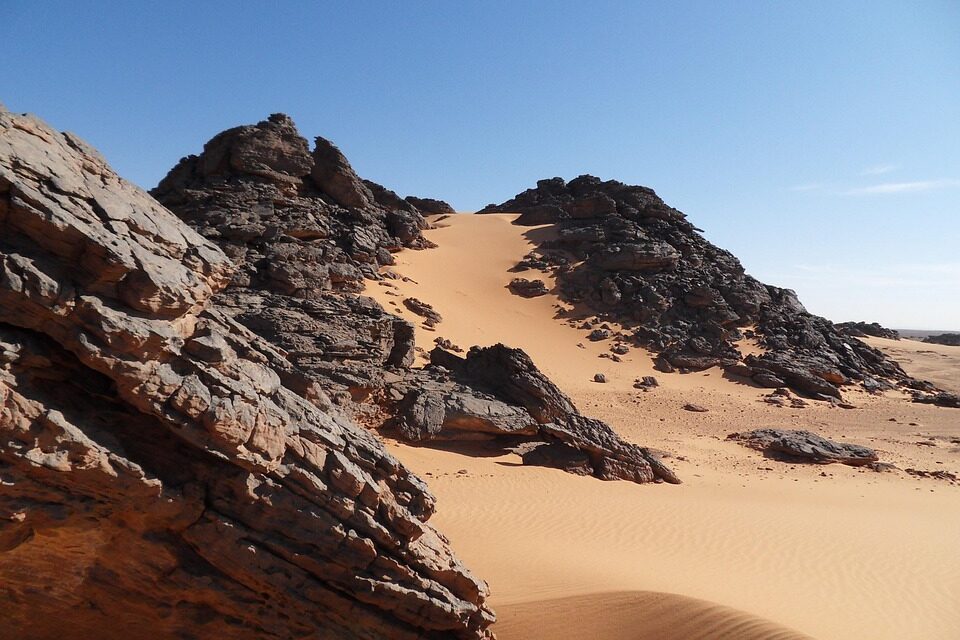
No trip to Libya would be complete without an adventure in the immense and mystifying Sahara Desert. Covering vast swathes of the country, the desert is a playground for adventurous souls, offering everything from camel trekking to dune surfing.
The most breathtaking spots in Libya’s Sahara include the Acacus Mountains, with their prehistoric rock art dating back over 12,000 years, and the Ubari Sand Sea, where surreal lakes like Gaberoun shimmer beneath towering sand dunes.
Insider Tip: Book a guided tour with a knowledgeable local operator to ensure safety and gain insights into the region’s rich history and hidden secrets.
4. Tripoli: A Blend of Old and New
Tripoli, Libya’s capital, is a delightful intersection of old-world charm and modern hustle. Start your journey at the Red Castle Museum (Assaraya al-Hamra), a historic palace-turned-museum that offers a deep dive into Libya’s history, from prehistoric times to the Ottoman era.
Stroll through the bustling Medina of Tripoli, where winding streets are lined with markets (souks) selling spices, handmade jewellery, and beautiful textiles. It’s a sensory overload—but in the best possible way.
Pro Tip: Enjoy a coffee at one of the atmospheric cafés near Martyrs’ Square, where you can watch Tripoli’s rhythms unfold before your eyes.
5. Cyrene: A Greek Marvel in North Africa
Once one of the most important Greek colonies in the ancient world, Cyrene’s ruins are a testament to its past splendour. Perched high on a plateau with sweeping views of the Mediterranean, Cyrene offers dramatic scenery along with its archaeological wonders.
Don’t miss the stunning Temple of Apollo and the ancient theatre carved into a hillside—the latter is particularly striking at sunset.
Insider Tip: Combine your visit to Cyrene with a trip to the nearby port town of Apollonia, which serves as the ancient city’s harbour, for an immensely rewarding day trip.
Essential Insider Tips for Travel to Libya
Planning a trip to Libya requires more preparation than your typical holiday to Europe or Asia. Here are some tips to help your journey run smoothly:
- Obtaining a Visa: You’ll need a visa to enter Libya, and the process may require submitting an invitation letter or liaison with a local sponsor. Work with experienced operators like Nihosi Travels & Tours to streamline your arrangements.
- Respect Local Customs: Libya is a conservative country. Dress modestly (particularly women) and respect Islamic traditions.
- Stay Safe: Stay updated on travel advisories, as the country is still in recovery mode. Consider arranging your trip through reputable tour operators.
- Currency: The Libyan dinar (LYD) is the official currency. Credit card use is minimal, so carry cash for most transactions.
Why Visit Now?
Libya is currently at a crossroads between its historical vibrance and a quietly emerging future in tourism. Unlike overcrowded destinations where tourism often dilutes authenticity, Libya offers raw and unfiltered experiences. In addition to jaw-dropping natural splendours and untouched archaeological sites, the country’s warm and welcoming locals enrich every traveller’s adventure with genuine kindness.
Now is the time to visit if you want to experience a destination before it becomes the next travel hotspot.
Frequently Asked Questions (FAQ)
1. Is Libya safe for travellers in 2025?
While Libya has faced challenges in recent decades, regions frequented by tourists, such as Tripoli, Ghadames, and Leptis Magna, are generally considered safe when visited with a guide. Always monitor travel advisories.
2. What’s the best time to visit Libya?
The cooler months (October–April) are ideal for visiting Libya, especially if you plan to explore the Sahara or ancient ruins. Summers can be exceedingly hot.
3. What should I wear in Libya?
Dress modestly. Men should avoid sleeveless tops, and women should wear loose clothing that covers shoulders and knees.
4. Can I explore Libya independently?
Independent travel in Libya can be challenging. Hiring a guide or travelling through a trusted operator is highly recommended.
5. What is Libya famous for?
Libya is best known for its ancient Roman and Greek ruins, sprawling Sahara Desert landscapes, and Mediterranean coastline.
6. Do Libyans speak English?
While Arabic is the primary language, English is understood in urban areas and tourist spots. A few key Arabic phrases can go a long way.
7. Are there organised tours available?
Yes, several companies, such as Nihosi Travels & Tours, offer tailored itineraries that focus on Libya’s highlights.
Conclusion: A Destination Worth Discovering
Libya is one of the world’s most underrated travel destinations, offering a one-of-a-kind experience for intrepid adventurers and history enthusiasts alike. From exploring awe-inspiring ruins like Leptis Magna to soaking in the tranquillity of the Sahara, every moment in Libya is unforgettable.
If you’re ready to step off the beaten path and uncover a treasure trove of wonders, it’s time to add Libya to your travel bucket list.












Subscribe To Our Newsletter
Join our mailing list to receive the latest news and updates from our team.
You have Successfully Subscribed!