
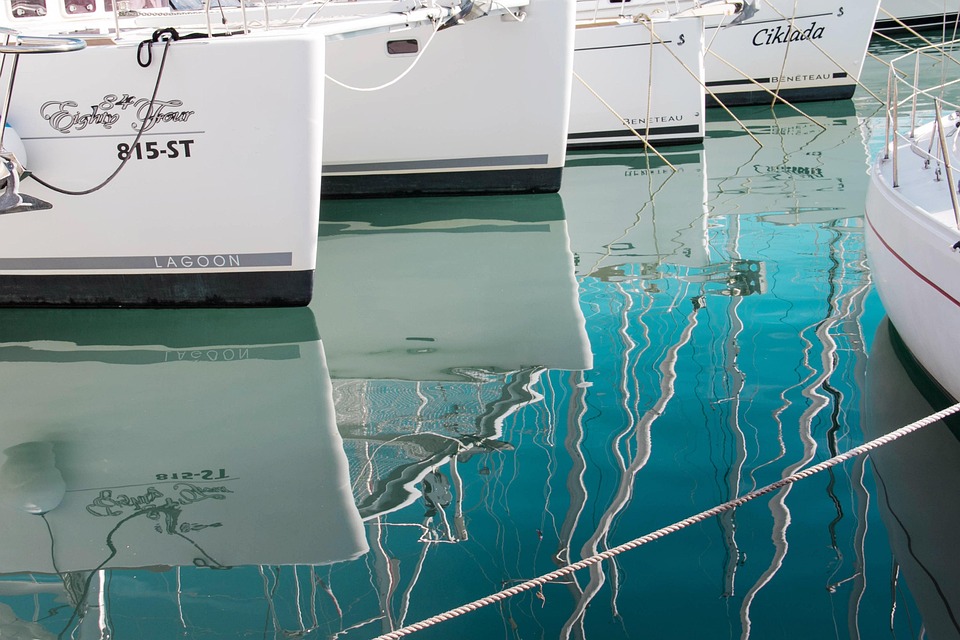
Croatia, with its crystalline Adriatic waters, dramatic coastal cliffs, and centuries-old architecture, is a country that continues to captivate travellers from around the globe. While Dubrovnik, affectionately known as the “Pearl of the Adriatic,” justly deserves its widespread recognition, there’s much more to discover along Croatia’s 1,800-kilometre coastline. If you’re seeking quieter, authentic experiences steeped in charm and history, join us as we journey beyond Dubrovnik to explore Croatia’s most underrated coastal towns. Whether you’re a history buff, beach lover, or foodie, these hidden gems promise an unspoiled getaway that rivals even Dubrovnik’s allure.
Why Look Beyond Dubrovnik?
Dubrovnik, with its medieval city walls, Game of Thrones fame, and postcard-perfect views, is undeniably breathtaking. But it’s hardly a secret anymore. In peak season, Dubrovnik is flooded with tourists vying for limited space, driving up prices and sometimes overshadowing its authentic Croatian culture.
Fortunately, Croatia offers an abundance of lesser-known towns where you can immerse yourself in genuine local charm, savour traditional Dalmatian cuisine, and unwind on serene beaches—all without the crowds or hefty price tags. From picturesque fishing villages to historic Roman settlements, these hidden destinations offer something unique for every traveller.
1. Trogir: “The Stone Beauty” Just an Hour from Split
Why Visit Trogir?
A UNESCO World Heritage Site, Trogir is a perfectly preserved medieval town nestled on a tiny island just connected to the mainland via a bridge. Known for its Venetian-inspired architecture and narrow cobblestone streets, Trogir boasts both historical significance and seaside appeal.
Whether it’s wandering the Kamerlengo Fortress, admiring St. Lawrence Cathedral (a true masterpiece of Romanesque-Gothic architecture), or sipping coffee under the shade of 13th-century stone walls, Trogir offers a laid-back alternative to larger cities like Dubrovnik or Split.
Things to Do in Trogir:
- Boat tours to the Blue Lagoon: Embark on day trips to nearby islets for swimming in tranquil turquoise waters.
- Explore Čiovo Island: Connected by a bridge, the island provides secluded beaches and hiking opportunities.
- Feast on local seafood: Visit family-run taverns like Riva Restaurant for fresh Adriatic fish dishes.
When to Visit:
Trogir is delightful year-round, but visit in spring or early autumn for fewer crowds and pleasant weather.
2. Šibenik: The Gateway to Krka Waterfalls
Why Put Šibenik on Your Map?
Slightly overshadowed by its more popular neighbours, Šibenik has quietly emerged as one of Croatia’s must-visit towns. As one of the oldest native Croatian cities on the Adriatic, Šibenik seamlessly blends history with a laid-back coastal vibe.
Šibenik is also a great base for visiting Krka National Park, home to Croatia’s iconic cascading waterfalls. But the town itself deserves more than a passing glance. Its maze of steep alleys, medieval forts, and stunning St. James Cathedral—another UNESCO World Heritage Site—make it a standout destination for culture seekers.
Things to Do in Šibenik:
- Tour St. Michael’s Fortress: A hilltop fortress offering panoramic views of the Adriatic coastline.
- Visit the Medieval Gardens: Relax in this hidden oasis amidst blooming herbs and flowers.
- Explore Krka: Take a short 20-minute drive to wander Krka National Park and swim beneath the famous waterfalls.
3. Rovinj: A Romantic Istrian Gem
Rovinj: The Venice of Croatia
Tucked away in the northern Istrian Peninsula, Rovinj is arguably one of Croatia’s prettiest seaside towns. With its pastel-coloured buildings spilling down cobbled streets and into the sapphire waters of the Adriatic, Rovinj exudes romance and charm.
Unlike Dubrovnik, Rovinj’s vibrant harbourfront maintains a rustic authenticity. The town’s Italian influence is palpable in its language, food, and architecture thanks to its long-standing history under Venetian rule.
Things to Do in Rovinj:
- Cycle through Golden Cape Forest Park: An expansive nature reserve perfect for outdoor enthusiasts.
- Climb St. Euphemia’s Church Tower: You’ll be rewarded with breathtaking views of the town and surrounding islands.
- Treat Yourself: Enjoy Istrian truffles, fine olive oil, and fresh seafood at restaurants like Monte, Rovinj’s first Michelin-starred eatery.
4. Korčula: The Birthplace of Marco Polo
Why Korčula Stands Out
Known as ‘Little Dubrovnik,’ the island town of Korčula resembles its larger counterpart with medieval walls, charming stone buildings, and winding alleys, but it’s all at a slower, more relaxing pace. The island offers picturesque vineyards, olive groves, and pristine beaches interspersed with traditional villages.
Korčula Town itself is a maze of ancient history. Some claim it’s the birthplace of the famed explorer Marco Polo (though Venice may dispute this). As much as its history intrigues, it’s the local wine scene and folklore performances that truly set Korčula apart.
Things to Do in Korčula:
- Wine Tasting in Lumbarda: Sip your way through locally grown Grk and Pošip wines.
- Attend a Moreška Dance: Witness this riveting traditional sword dance that narrates a tale of love and battle.
- Island Hopping: Explore the neighbouring islets like Badija, known for its Franciscan monastery.
5. Ston: A Foodie’s Paradise and Wall-Lover’s Dream
Ston’s Culinary and Historical Appeal
Situated on the narrow Pelješac Peninsula, Ston is a quaint town renowned for its oysters and mussels, which are considered among the finest in Europe. But seafood is just the tip of the culinary iceberg here; Ston is also known for producing some of Croatia’s best wines, thanks to the peninsula’s fertile soil and Mediterranean climate.
You’ll also find the longest stone walls in Europe here—The Walls of Ston—which rival the Great Wall of China in their scale and purpose, having been built to protect the valuable salt pans of the region.
Things to Do in Ston:
- Indulge in Local Oysters: Head to Mali Ston’s waterfront restaurants for truly fresh seafood.
- Wine Tasting in Dingač: Sample rich reds from nearby vineyards.
- Hike the Walls of Ston: A unique way to combine history with breathtaking views of the Adriatic.
6. Primošten: Quintessentially Croatian
Beauty in Simplicity
Primošten, a quaint little village that was once an island, is now famed for its beautiful beaches, historical charm, and relaxed atmosphere. Surrounded by azure waters and vineyards that produce award-winning Babić wines, Primošten is an ideal destination for a serene escape.
Things to Do in Primošten:
- Swim at Mala Raduča Beach: Crystal-clear waters that are ideal for families.
- Visit Our Lady of Loretto Statue: Perched on the nearby hilltop, the statue offers panoramic views of Primošten.
- Wine Tours: Explore the terraced vineyards on the surrounding hills and sample exquisite local wines.
Pro Tips for Exploring Croatia’s Underrated Coastal Towns
- Travel Off-Season: If possible, plan your visit during spring (April-May) or autumn (September-October) to enjoy mild weather and smaller crowds.
- Rent a Car: Having a vehicle gives you the flexibility to reach tucked-away beaches and hidden hamlets that public transport doesn’t cover.
- Embrace Local Cuisine: Don’t miss Dalmatian classics like black risotto, freshly grilled fish, and octopus salad.
- Learn a Few Words of Croatian: Locals appreciate even the simplest greetings like dobar dan (good day) or hvala (thank you).
Frequently Asked Questions (FAQs)
What is the best time to visit Croatia’s coastal towns?
The shoulder seasons of late spring (April-May) and early autumn (September-October) are ideal due to mild weather, fewer crowds, and often lower prices.
Which Croatian coastal town is best for foodies?
Ston is a must-visit for culinary enthusiasts, offering world-class oysters and locally crafted wines.
Are Croatia’s lesser-known towns family-friendly?
Absolutely! Most towns like Trogir and Primošten offer calm beaches and activities suitable for families with children.
Do I need a car to explore Croatia’s coastal towns?
While buses and ferries connect many towns, a car provides maximum flexibility to discover hidden beaches and vineyards.
From the Venetian allure of Rovinj to the tranquil beaches of Primošten, Croatia’s underrated coastal towns invite you to step beyond the well-trodden paths of Dubrovnik and experience something truly special. Embark on this journey, and you’ll find that the places less travelled often leave the longest-lasting impressions.
Are you ready to explore beyond Dubrovnik? Whether you’re planning your next trip to these charming towns or need expert advice, visit www.nihosi.com for insider tips, guided tours, and more. Croatia is calling!
This article was written for Nihosi.com by highlighting Croatia’s hidden gems and delivering expert insights into authentic Adriatic travel.










Subscribe To Our Newsletter
Join our mailing list to receive the latest news and updates from our team.
You have Successfully Subscribed!