

Nauru, a tiny 21-square-kilometre island nation located in the middle of the Pacific Ocean, may be unfamiliar to many, but its charm, resilience, and natural appeal offer so much to discover. Often overshadowed by larger, more popular destinations, Nauru is a travel gem awaiting exploration. In this article, we’ll dive deep into the magic of Nauru, exploring fascinating facts, scenic locations, and some practical travel tips to ensure you make the most of your visit.
Where is Nauru, and Why Visit?
Nestled in the western Pacific Ocean, Nauru is the world’s smallest independent republic, both in terms of land area and population. This island paradise lies just south of the Equator, roughly 4,000 kilometres northeast of Australia.
For seasoned travellers, Nauru may appear as an enigma. Unlike large and bustling destinations such as Fiji or Bali, the island offers intimacy, untouched serenity, and a powerful sense of history. Nauru’s magic lies in its ability to captivate visitors through its incredible landscapes, authentic culture, and unique experiences.
Ever wondered why some of the best-kept secrets in travel are on smaller islands? Nauru is a perfect answer. But before we dive into its must-see places and fun facts, let’s learn a little more about its history.
A Peek Into Nauru’s Fascinating History
Nauru’s history is rich, complex, and deeply tied to the global phosphate trade. Phosphate, a mineral critical in agriculture, was discovered on the island in the early 20th century, and for decades, it made Nauru one of the wealthiest nations per capita in the world.
But as the phosphate resources were over-exploited, the economy of Nauru declined sharply, leading the nation to reimagine itself. Today, it’s a country that holds lessons on resilience and sustainability, slowly rebuilding its tourism and preserving its culture.
Despite this challenging economic narrative, Nauru retains its incredible natural beauty and a tight-knit local community, offering an inspiring travel experience for those who visit.
Fascinating Facts About Nauru
-
A World of Its Own
- Nauru has no official capital city—an unusual trait for any nation. While Yaren District serves as the main administrative centre, it’s not formally classified as the capital. For such a unique distinction, Nauru sets itself apart from most other countries.
-
A True Micronation
- With a landmass smaller than some neighbourhoods in major cities, Nauru is the third-smallest country in the world, ranking only behind Monaco and Vatican City. Despite its size, its cultural and natural richness more than compensate.
-
Home to WWII Relics
- During World War II, Nauru was a significant stronghold for Japan. As a result, remnants of the war—bunkers, weapons, and aircraft wrecks—can still be seen across the island, which provides an intriguing experience for history buffs.
-
A Single Ring Road
- You can drive completely around the country in less than an hour! The main ring road, just 19 km long, is your essential guide to exploring the island’s coastline in its entirety.
-
A Haven for Bird Watchers
- Nauru is home to unique bird species such as the noddies and frigatebirds. These birds are a vital part of Nauruan culture and provide mesmerising visuals for nature enthusiasts.
Stunning Scenic Spots in Nauru
Don’t let the island’s small size fool you. Its landscapes are full of surprises, from sprawling beaches to rugged natural formations. Here are the most scenic spots that will captivate your soul.
1. Anibare Bay
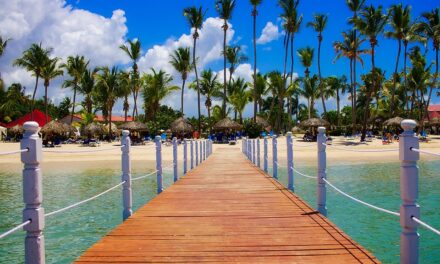
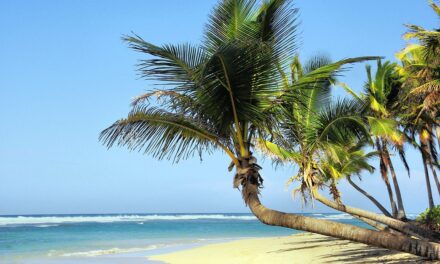
Crystal-clear waters, soft, sandy beaches, and dramatic coastal cliffs welcome you to Anibare Bay. This location is ideal for relaxing, swimming or simply soaking in the island’s tranquillity. It’s also a superb spot for sunrise views, as the soft hues of dawn bathe the island in vibrant colours.
Travel Tip: Morning is the best time to savour Anibare’s beauty while avoiding the midday heat. Don’t forget your sunscreen and camera.
2. Buada Lagoon
At the heart of Nauru lies Buada Lagoon, a serene freshwater lake surrounded by dense tropical vegetation. It’s the perfect place to experience the island’s lush greenery and unwind in a peaceful natural setting.
Fun Fact: This is one of Nauru’s few freshwater bodies, making it vital to the ecosystem.
3. Command Ridge
Nauru’s highest point, Command Ridge, not only offers breathtaking panoramic views of the island but also connects you to its wartime history. The ridge features Japanese bunkers and communications outposts, remnants of World War II.
Photography Tip: As you climb to Command Ridge, be sure to capture the striking contrast of blue ocean and lush greenery. The views are postcard-perfect.
4. Moqua Well and Moqua Caves
If you’re an adventurer at heart, explore Moqua Well and Moqua Caves. These limestone formations are an excellent example of Nauru’s geological wonders. Moqua Well, in particular, is a water-filled cavern offering a surreal exploration experience.
5. Phosphate Mines Reimagined
The now-depleted phosphate mines have given way to mesmerizing “moonscapes” – barren plateaus shaped by decades of mining. These areas are strikingly unique, and though they serve as a reminder of Nauru’s tumultuous economic history, their stark beauty is undeniable.
Travel Tips: How to Make the Most of Your Nauru Adventure
Planning a trip to Nauru? Use these tips to optimise your journey and ensure a comfortable, enjoyable experience.
1. How to Get to Nauru
Nauru is accessible by plane via Nauru Airlines, which connects the island to Brisbane (Australia), Fiji, Kiribati, and other Pacific nations. With just one airline serving the country, flights are limited, so it’s best to book your tickets well in advance.
2. Visa and Travel Requirements
Most visitors need a visa to enter Nauru. Make sure to check the latest guidelines and apply ahead of time for a smooth travel process.
3. Best Time to Visit Nauru
The island enjoys a tropical climate, with warm temperatures year-round. The best time to visit is during the dry season (December to April) for optimal weather conditions and outdoor activities.
4. Accommodation Options
Nauru features a small selection of hotels and guesthouses. While options are limited, the lodgings provide satisfactory comfort, often with friendly service from locals.
Recommendation: Check out Menen Hotel, a popular choice for travellers seeking relaxed island vibes.
5. Transportation Tip
Car rentals are available for exploring the island. Alternatively, you can hop on a bicycle or walk, given the compact size of Nauru.
6. Pack Essentials
Given its sunny, tropical weather, pack sunscreen, lightweight clothing, and sturdy footwear (for exploring off-the-beaten-path areas like Moqua Caves).
7. Respect Local Culture
Nauruans are welcoming and kind. Be sure to respect their customs and always ask for permission before photographing people or private properties.
Why Nauru Is Perfect for Off-Grid Adventures
Nauru’s charm lies in its simplicity. It’s not overrun by tourists, and there aren’t flashy attractions or nightlife hubs. Instead, it offers a serene, authentic escape—a place where you can unplug and immerse yourself in island life.
Frequently Asked Questions (FAQ)
1. What is Nauru best known for?
Nauru is known for its phosphate mining history, breathtaking beaches, and unique place as the third-smallest country in the world.
2. How many days do you need to explore Nauru?
A 3–5-day itinerary gives you enough time to explore the island’s key attractions, relax on the beaches, and immerse yourself in the local culture.
3. Is there internet in Nauru?
Yes, though internet access in Nauru is limited and can be relatively expensive. It’s best to embrace the slow pace and enjoy being offline during your visit.
In a world where travel destinations are increasingly homogenised, Nauru remains a rare treasure—a land waiting to be discovered by the curious and adventurous. As you step foot on this unique island, you’ll uncover not just its natural beauty, but also the stories, culture, and resilience that make Nauru truly magical.
So, when will you book your trip to Nauru? For assistance with planning your perfect trip to this Pacific jewel, consider visiting Nihosi Travels & Tours, your expert guides to the world’s hidden wonders.









Subscribe To Our Newsletter
Join our mailing list to receive the latest news and updates from our team.
You have Successfully Subscribed!