
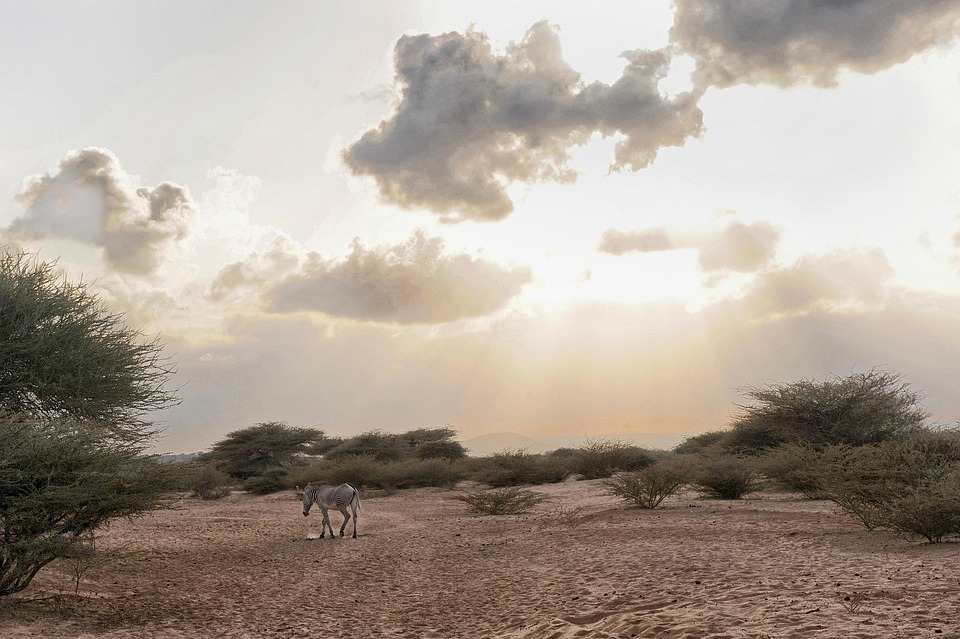
Nestled in the Horn of Africa, Djibouti is a small but captivating country where vibrant traditions intersect with breathtaking natural landscapes. For intrepid travellers seeking an underrated destination steeped in rich history and unspoiled vistas, Djibouti offers an incredible journey worth discovering. Whether you’re an adventure enthusiast, a cultural explorer, or someone fuelled by wanderlust, this remarkable nation guarantees an unforgettable experience.
In this article, we’ll take you on a unique journey through Djibouti, uncovering its spectacular scenery, cultural heritage, and travel tips to help you make the most of your adventure.
Why Visit Djibouti?
Unveiling Djibouti’s Hidden Charm
Tucked between the Red Sea and the Gulf of Aden, Djibouti is a hidden gem waiting to be explored. Despite its small size, it boasts one of the most geologically diverse landscapes in the world. From sun-scorched deserts and salt lakes to coral reefs teeming with marine life, Djibouti’s natural beauty is nothing short of extraordinary.
At the crossroads of Africa and the Arabian Peninsula, Djibouti is also a melting pot of cultures. Its centuries-old history as a key trade route has made it a diverse hub where traditions intertwine and evolve.
If you’re done with the typical tourist trail and yearn for something raw and real, Djibouti is where you want to be.
Djibouti’s Natural Wonders
1. The Majestic Lac Assal
One of Djibouti’s crown jewels, Lac Assal is the lowest point in Africa and the saltiest lake outside Antarctica. Located approximately 155 metres below sea level, this crater lake is a surreal natural phenomenon that leaves visitors in awe.
White salt deposits surround the turquoise waters, creating a striking contrast that feels almost otherworldly. The best time to visit is early morning or late afternoon, providing the perfect lighting for stunning photographs. Don’t forget to float in its buoyant waters—it’s an experience akin to the Dead Sea.
Pro Tip: Remember to bring water shoes to walk on the sharp salt formations comfortably.
2. The Alien-Like Landscapes of Lac Abbé
Ever wondered how it feels to step onto a Martian landscape? Lac Abbé will take you there. Famous for its towering limestone chimneys spewing steam, this otherworldly destination feels like it’s out of a sci-fi movie.
Situated on the border between Djibouti and Ethiopia, Lac Abbé is surrounded by plains where nomadic Afar tribes graze their livestock. Watching the sun rise over these landscapes, the chimneys silhouetted against the sky, is an unforgettable experience.
Quick Tip: Consider booking a 4×4 tour to reach the remote area comfortably. Camping nearby lets you bask in the natural splendour longer.
3. The Underwater Paradise of the Gulf of Tadjoura
For water enthusiasts, the Gulf of Tadjoura is a haven for snorkelling and diving. Pristine coral reefs and thriving marine biodiversity make this an unmissable spot for underwater adventurers.
Swim alongside whale sharks, the gentle giants of the ocean, from November to February. Whether you’re a seasoned diver or a curious beginner, the Gulf of Tadjoura promises vibrant marine life encounters.
Did You Know? Whale sharks can grow up to 12 metres long, and Djibouti is one of the best places in the world to spot them up close.
Djibouti’s Cultural Heritage
1. The Afar and Somali Tribes
Djibouti’s cultural fabric is significantly influenced by its two largest ethnic groups, the Afar and Somali tribes, whose traditions are deeply rooted in the land.
The Afar people are known for their fierce pride, unique dances, and intricate jewellery. Meanwhile, the Somali tribes bring rich poetic traditions and a nomadic pastoral lifestyle to the tapestry of Djiboutian culture.
For a culturally enriching experience, visit traditional villages and engage with locals who share stories passed down through generations.
2. Djibouti City: A Blend of Past and Present
The country’s bustling capital, Djibouti City, perfectly blends historical charm with modern progress. Stroll through the old quarter, where colonial-era buildings tell stories of the city’s French influence.
Don’t miss the vibrant central market (the “Marché Central”), a sensory delight of sight, sound, and smell. Here, you’ll find colourful spices, artisanal crafts, and delicious street food like sambusas and grilled goat kebabs.
Food Tip: Try the indigenous dish Skoudehkaris, a delicious and aromatic spiced rice with meat that showcases the heart of Djiboutian cuisine.
Best Experiences for Adventure Seekers
Trekking and Hiking
Djibouti offers incredible opportunities for hiking enthusiasts. The Ardoukoba Volcano, for instance, is a dormant stratovolcano that’s perfect for a half-day trek. The route takes you over black lava fields and offers breathtaking panoramic views of the coastline.
Quick Fact: Ardoukoba erupted last in 1978, forming a 12km fissure alongside lava flows—a reminder of the region’s geological dynamism.
Kayaking Through Mangroves
Explore hidden mangroves along Djibouti’s coastline via kayak. These tranquil waterways are home to unique bird species. It’s an excellent way to enjoy nature away from the tourist crowds.
Keep an eye out for flamingos and herons during your kayaking adventure!
Essential Tips for Visiting Djibouti
- Plan for the Climate: Djibouti has a hot, arid climate. From June to August, temperatures soar above 40°C, so visiting between November and March is ideal.
- Stay Hydrated: With the scorching heat, carry a reusable water bottle to stay hydrated.
- Respect the Cultures: Djibouti is predominantly Muslim, so dress modestly and respect local customs.
- Travel Insurance: Invest in comprehensive travel insurance covering activities like trekking or diving.
- Guided Tours: Book with local guides or trusted services like Nihosi Travels & Tours, to explore remote areas safely.
Sustainable Travel in Djibouti
Djibouti’s natural landscapes are fragile, so it’s essential to practise sustainable tourism. Support local communities, avoid littering, and respect wildlife to ensure the country’s beauty remains for future generations.
FAQs About Travelling in Djibouti
1. What is Djibouti famous for?
Djibouti is renowned for its salt lakes, volcanic landscapes, and diverse marine life. It’s also a hub of cultural history at the crossroads of Africa and Arabia.
2. When is the best time to visit Djibouti?
The best time to visit Djibouti is between November and March when the weather is cooler.
3. How do I get around in Djibouti?
Most travellers use 4×4 vehicles or guided tours to explore Djibouti’s rugged terrain.
4. Is Djibouti safe for tourists?
Djibouti is generally safe, but, like any destination, take standard precautions. Stick to tourist-friendly areas, especially when travelling solo.
5. Can I pay with credit cards in Djibouti?
Credit cards are accepted in major hotels and restaurants, but it’s advisable to carry local cash (Djiboutian franc) for markets and smaller transactions.
Wrap-Up
Djibouti is a testament to how extraordinary experiences often lie off the beaten path. With its vibrant cultures, geological wonders, and adventure opportunities, this small nation is a big surprise for those willing to explore.
If you’re planning your next adventure, let Nihosi Travels & Tours help you craft an unforgettable journey to Djibouti. Every adventure in this magical land promises stories that you’ll cherish forever.
Meta Description: Discover Djibouti, where culture intertwines with stunning natural beauty. From salt lakes and vibrant markets to marine adventures, here’s your ultimate 2025 guide to Djibouti.










Subscribe To Our Newsletter
Join our mailing list to receive the latest news and updates from our team.
You have Successfully Subscribed!