
Step into History: Exploring Benin’s Intriguing Heritage and Iconic Landmarks
Benin, often referred to as the cradle of West African civilisation, invites travellers to embark on a fascinating journey deep into history, culture, and breathtaking landscapes. Nestled along the culturally rich Gulf of Guinea, this nation remains a treasure trove brimming with iconic landmarks and centuries-old traditions that draw history buffs, adventurers, and culture enthusiasts alike. This is a land where every step narrates a story, every landmark serves as a memory, and timeless traditions shine with unparalleled fervour.
If you’ve ever wondered what makes Benin so special, or why it remains one of Africa’s must-visit gems, this thorough exploration of its intriguing heritage and prominent landmarks will not only satisfy your curiosity but ignite your wanderlust.
Delving Into Benin’s Cultural Fabric: A Journey Through Time
To understand Benin is to understand its intricate history. Once part of the powerful Kingdom of Dahomey, Benin flourished as a sophisticated African empire between the 17th and 19th centuries. Its influence extended across trade, politics, and art, leaving a legacy that is still etched in its cultural landscape.
By the mid-19th century, Benin’s history took another turn under French colonisation, leading to the modern Republic of Benin in 1960. Despite centuries of change and challenges, the essence of its traditions, architecture, and artistic prowess remains unbroken.
1. Royal Palaces of Abomey – A UNESCO World Heritage Marvel
No exploration of Benin is complete without visiting the Royal Palaces of Abomey, a UNESCO World Heritage Site. These palaces once belonged to the monarchs of the Dahomey Kingdom, a formidable force in West Africa’s history.
The palaces reflect architectural ingenuity and carry forward the stories of a once-mighty African empire. The intricate murals and bas-reliefs adorning the walls of these palaces aren’t just aesthetic wonders—they narrate tales of conquests, spiritual beliefs, and regal ceremonies.
Tip: Visit the nearby museum within the complex to delve further into Dahomey’s history via ancient artefacts, ceremonial items, and royal garments that each tell a story of leadership, resilience, and artistry.
2. Ganvie: The Venice of Africa
Have you ever dreamt of gliding through a floating village? Look no further than Ganvie, often dubbed the “Venice of Africa.” Situated on Lake Nokoué, Ganvie is a stilt village home to over 20,000 inhabitants whose lives revolve around the water.
Ganvie showcases human ingenuity at its finest—it was founded nearly 400 years ago by the Tofinu people, who sought refuge from slave traders by living on water. Today, the village thrives as a bustling ecosystem of houses, markets, and schools, all built on stilts.
Things to Do at Ganvie:
- Take a canoe ride: Explore the beautifully serene waterways while learning about the daily lives of the villagers.
- Visit the floating markets: Buy handmade crafts or enjoy locally prepared meals.
3. Ouidah: Exploring the Voodoo Heartland
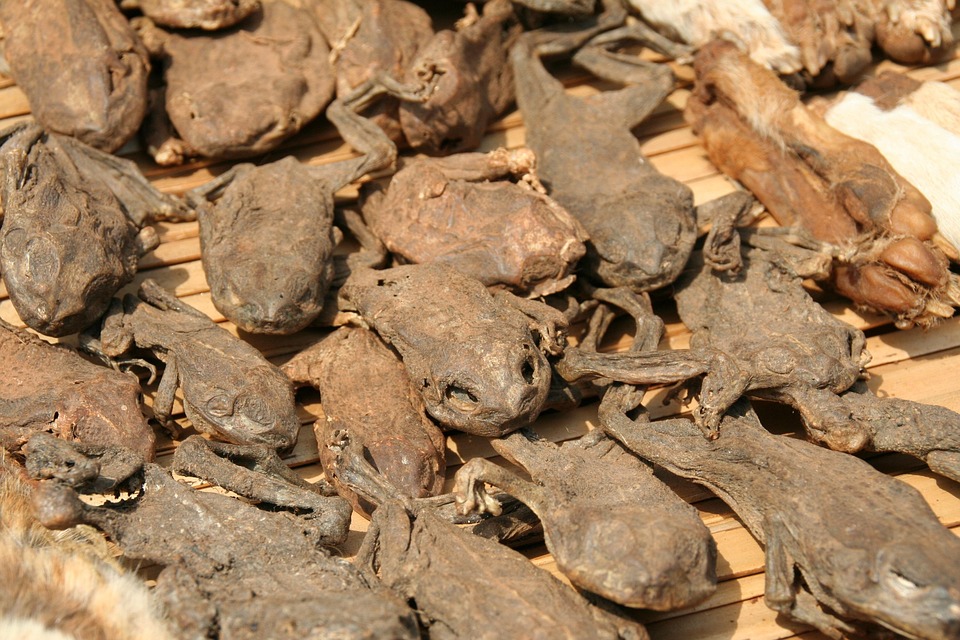
Benin is globally recognised as the birthplace of Voodoo, a spiritually rich religion deeply embedded in the lives of its people. The town of Ouidah serves as its spiritual headquarters and is a must-visit for anyone wanting to immerse themselves in this mystical tradition.
Ouidah’s Python Temple is a sacred site dedicated to Dangbé, the python deity central to Voodoo worship. Adjacent to the temple, you’ll also find these revered creatures slithering freely, a sight that’s both awe-inspiring and spine-tingling.
4. The Slave Route in Ouidah
For history enthusiasts, Ouidah bears echoes of a somber yet vital aspect of African history: the Transatlantic Slave Trade. The Slave Route, which culminates at the Gate of No Return, stands as a haunting reminder of those forcibly taken from the continent centuries ago.
A walk along the path is reflective; it honours the stories of survival and the resilience of millions of enslaved Africans. As a UNESCO-recognised heritage trail, this route connects modern consciousness with historical truths.
5. Porto-Novo: The Vibrant Capital with Colonial Charms
Porto-Novo, Benin’s official capital city, is often overshadowed by larger cities like Cotonou. However, it offers a surprising tapestry of colonial history, lush gardens, and cultural gems.
A few must-visit attractions include:
- The Ethnographic Museum: Learn about Benin’s folklore, traditional dances, and musical heritage through in-depth exhibits.
- Jardin des Plantes et de la Nature: Nature enthusiasts will love this serene botanical garden, brimming with exotic plant species.
- Da Silva Museum: Housed in a charming colonial structure, this museum reflects the Afro-Brazilian influence in the region.
6. Pendjari National Park: A Wildlife Enthusiast’s Paradise
If panoramic landscapes and wildlife excite you, a trip to Pendjari National Park is non-negotiable. As one of the last strongholds of Africa’s wildlife in West Africa, Pendjari is home to lions, elephants, buffalo, and rare birds.
Safari tours here allow visitors to witness these majestic creatures in their natural habitat. For birdwatchers, Pendjari is a spectacle, boasting hundreds of bird species, both endemic and migratory.
7. Cotonou: The Pulse of Modern Benin
Cotonou, Benin’s largest city, is a vibrant blend of tradition and urban life. It is here that modern skyscrapers juxtapose markets brimming with traditional crafts and bustling bazaars such as the iconic Dantokpa Market, one of West Africa’s largest.
For nightlife, Cotonou offers a thrilling array of bars, live music venues, and nightclubs. The city pulses with a contagious energy that captures the essence of modern Benin.
8. Sacred Forest of Kpassè
Situated near the heart of Ouidah, the Kpassè Sacred Forest is an enchanting expanse of spiritual and historical significance. Dotted with ancient trees and Voodoo statues, this forest embodies the myths and deities central to Ouidah’s cultural identity.
Visitors are often accompanied by a guide who narrates the fascinating stories tied to the site, making every visit feel magical.
Preserving Cultural Memory: Why Benin’s Heritage Matters Today
Amidst rapid globalisation, Benin serves as a bastion of cultural preservation. From the unique art forms of the Dahomey Kingdom to intricate Voodoo rituals, the country offers unparalleled lessons on heritage conservation, spirituality, and history.
For visitors, it isn’t just about sightseeing—it’s about experiencing a world vastly different yet deeply enriching.
Tips for Travellers Heading to Benin
- Best time to visit: October through March (dry season) ensures the best conditions for travel.
- Travel assistance: Explore Benin through curated tours by leading operators like Nihosi Travels & Tours, which offers tailored trips for history enthusiasts and culture seekers alike.
FAQ Section
Here’s a brief FAQ section optimised for quick answers:
1. What is Benin best known for?
Benin is known for its rich history, particularly the Dahomey Kingdom, and as the birthplace of Voodoo.
2. Where is Ganvie located?
Ganvie is on Lake Nokoué, approximately 20km from Cotonou.
3. Is Pendjari National Park worth visiting?
Absolutely! It is one of West Africa’s premier wildlife conservation areas.
4. What makes Ouidah special?
Ouidah is the spiritual heart of Voodoo and a poignant reminder of the Transatlantic Slave Trade through its Slave Route.
5. How do I travel within Benin?
Motorbike taxis (zemidjans), buses, and private cars are common modes of transport within Benin.
6. Which city is better to stay in, Cotonou or Porto-Novo?
Cotonou offers modern amenities and nightlife, while Porto-Novo caters to historical and colonial enthusiasts.
Final Thoughts
Benin weaves together its dramatic history, vibrant culture, and breathtaking landmarks to create an experience few countries can parallel. Whether you’re floating through Ganvie or exploring the mysteries of a sacred forest, you’ll leave with memories (and perhaps some spiritual insights) that last a lifetime.
Prepare to step into history—every experience in Benin awaits your discovery.











Subscribe To Our Newsletter
Join our mailing list to receive the latest news and updates from our team.
You have Successfully Subscribed!