
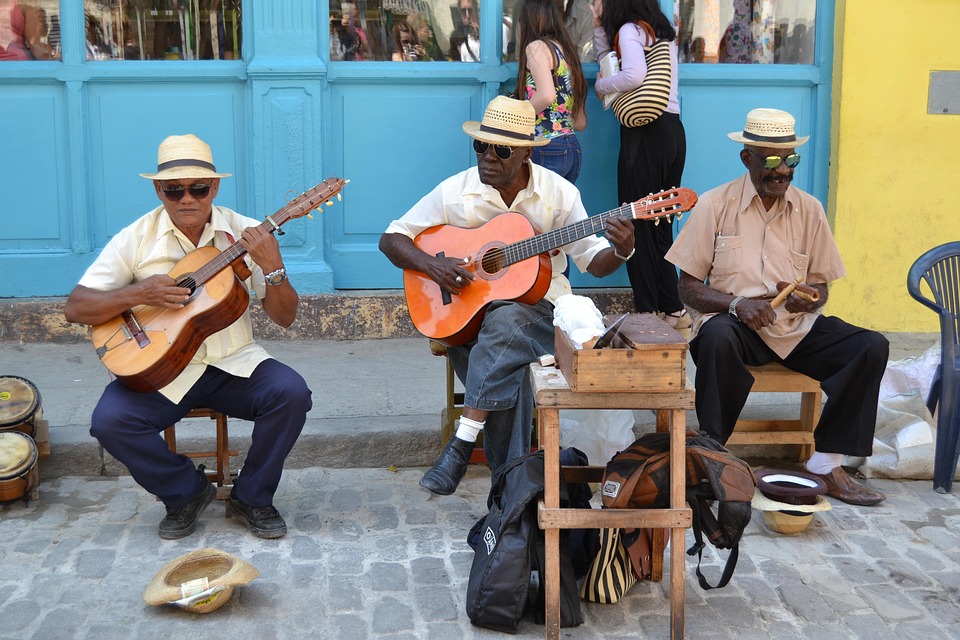
Cuba. The mere name conjures up images of vintage cars rolling through colonial streets, pulsating salsa rhythms echoing from doorways, and the aroma of freshly brewed Cuban coffee wafting through the air. But did you know this Caribbean jewel holds countless secrets and vibrant facets of local culture waiting to be explored? Whether you’re a seasoned traveller or planning your first adventure, a journey through Cuba reveals a treasure trove of hidden gems and captivating experiences that go far beyond the rum-soaked beaches and tourist hotspots.
This guide takes you beyond Havana’s iconic landmarks, diving deep into unexplored corners of Cuba while immersing yourself in its eclectic local culture. Brace yourself for recommendations you won’t find in any typical guidebook!
Why Explore Cuba Now?
Before we dive in, let’s address one critical question: Why now? Cuba is at a crossroads, balancing its historical charm with signs of evolving modernity. Over the last decade, steadily growing interest in Cuban tourism, despite various travel restrictions, has placed it on many “must-visit” travel lists, especially in 2025. Experiencing Cuba now gives you a front-row seat to this fascinating transition. From urban cities like Havana to the unspoiled countryside, now’s the perfect time to get in early and witness change alongside timeless culture.
1. Off-the-Beaten-Path Cuban Gems (Where Tourists Rarely Tread)
Cuba is brimming with attractions beyond the standard itinerary. For adventurous souls, here’s where you can truly escape the crowds:
Viñales Valley: Nature’s Playground
While Viñales may be somewhat known for its sprawling tobacco farms, it’s the surrounding valley that will steal your heart. Imagine dramatic limestone hills (known locally as mogotes) rising abruptly from the flat plains, a vibrant green patchwork of tobacco plantations, and horses meandering along reddish-brown paths. Don’t miss an opportunity to ride horseback through the valleys, followed by a private tour of a family-owned tobacco farm.
Insider Tip: Visit the nearby Cueva del Indio, an underground cave system navigable by boat!
Baracoa: Cuba’s First Capital
Step into Baracoa, Cuba’s oldest settlement, nestled in the far east of the island. This coastal town offers a stark contrast to the hustle and bustle of Havana. With lush rainforests, remote beaches, and unique chocolate-based cuisine, Baracoa may feel like stepping into another world.
Local Highlight: Don’t leave without climbing El Yunque, the flat-topped mountain that watches over the city, for spectacular panoramic views.
La Boca: Where the River Meets the Sea
If tranquillity is what you’re after, head to La Boca, a quiet fishing village near Trinidad. This hidden gem is ideal for snorkelling, unwinding, and mingling with locals away from busier resorts.
Pro Tip: Rent a bicycle from Trinidad and cycle six miles to reach this slice of calm.
Cienfuegos: The “Pearl of the South”
Often overshadowed by Havana, Cienfuegos shines with its French-inspired architecture and charming seaside boulevard, the Malecón de Cienfuegos. Wander around Parque José Martí, where pastel-coloured colonial buildings create postcard-perfect scenes. Combine this with a boat trip to Jagua Castle, a historic fortress protecting Cienfuegos Bay.
2. Immersing Yourself in Cuba’s Local Culture
What truly makes Cuba irresistible is its people: resilient, passionate, and full of rhythm. To truly know Cuba, it’s essential to dive into its unique cultural fabric.
Engage with Popular Cuban Arts
Art is infused into everyday life in Cuba—manifesting in music, dance, and painting. Head to Cuba’s renowned art hub, Fábrica de Arte Cubano (FAC) in Havana, which beautifully combines galleries, live music venues, and innovative performances. FAC encapsulates modern Cuban artistry at its best.
Don’t Forget: Purchase handmade crafts and paintings from artisan markets like Almacenes San José or vibrant street murals along Callejón de Hamel.
Salsa Dancing: More Than Just a Dance
Dancing is the heartbeat of Cuban culture, with salsa reigning supreme. Step into a bustling salsa club like Casa de la Música in Trinidad or take a lesson from locals who are more than willing to teach passionate travellers.
Join a Cuban “Casa Particular”
For an authentic Cuban experience, ditch hotels in favour of a casa particular—a local bed-and-breakfast. Staying with a Cuban family gives insight into daily life, mouth-watering home-cooked meals, and personalised tips on exploring the area.
3. Cuban Cuisine: Underrated Yet Unforgettable
No journey through Cuba would be complete without treating your taste buds to its authentic cuisine. While simple in execution, Cuban food is a vibrant combination of influences—from African to Spanish.
What to Try:
- Ropa Vieja: Cuba’s national dish of shredded beef simmered in rich tomato sauce.
- Moros y Cristianos: Black beans and white rice served together.
- Camarones Enchilados: Spicy shrimp cooked with peppers, onions, and garlic.
- Cuban Coffee: No visit is complete without sampling potent cafecito, best accompanied by a delicious guava pastry.
Pro Tip: The best places to indulge are paladares—family-run restaurants offering homemade meals in cosy settings. Try Paladar La Guarida in Havana, known for blending history and top-notch culinary experiences.
4. Unique Adventures for Collecting Memories
Beyond the food, culture, and scenery, Cuba offers adventurous activities you’ll remember forever.
Ride in a Classic Car
Cuba’s vintage cars are more than Instagram-worthy—they’re historical relics. Cruise through Havana in a convertible while learning fascinating stories of these automotive treasures.
Fun Fact: Many classic cars in Cuba are over 60 years old, lovingly maintained by talented local mechanics.
Try Cuban Cigars at the Source
Whether you smoke or not, visiting a cigar factory is an unforgettable educational experience. Head to Pinar del Río, Cuba’s tobacco-growing powerhouse, and witness the production of the world-famous Cuban cigar.
Dive into Marine Wonders at Isla de la Juventud
One of Cuba’s best-kept secrets, Isla de la Juventud, offers pristine diving conditions surrounded by untouched coral reefs. If diving isn’t your thing, the island’s beaches and wildlife are reason enough to visit.
5. Practical Travel Tips for an Enjoyable Journey
Travelling to Cuba requires a bit of preparation compared to other destinations. Here are a few tips to make your trip smooth and enjoyable:
Currency: The Cuban Peso
As of 2025, travellers should use the Cuban Peso (CUP). Make sure to exchange cash upon arrival as credit cards may not work in many places.
Internet Access
Wi-Fi is generally limited. You’ll need to purchase Wi-Fi cards or rely on hotel hotspots—making Cuba an excellent place to unplug and immerse yourself.
Learn Basic Spanish
Though many locals know some English, learning basic Spanish phrases helps immensely when communicating and earning trust.
6. FAQ Section
What is the best time to visit Cuba?
The best time to visit Cuba is between November and April, during the dry season. The weather is more predictable and ideal for outdoor activities.
Is Cuba safe for travellers?
Yes. Cuba is considered one of the safest destinations in the Caribbean.
Can I drink tap water in Cuba?
No. Stick to bottled or filtered water to avoid illnesses.
Are US citizens allowed to travel to Cuba?
As of 2025, travel from the US is possible but regulated under specific categories. Ensure you’re updated on requirements prior to travelling.
With its intoxicating culture, warm people, and breathtaking landscapes, Cuba offers more than just a holiday. It’s an unforgettable journey that lingers in your heart long after you’ve left.
If you’re ready to embark on this adventure, why not book with Nihosi Travels & Tours? With expertly curated packages focused on local culture, they’ll make sure your Cuban quest is seamless and unforgettable.











Subscribe To Our Newsletter
Join our mailing list to receive the latest news and updates from our team.
You have Successfully Subscribed!