
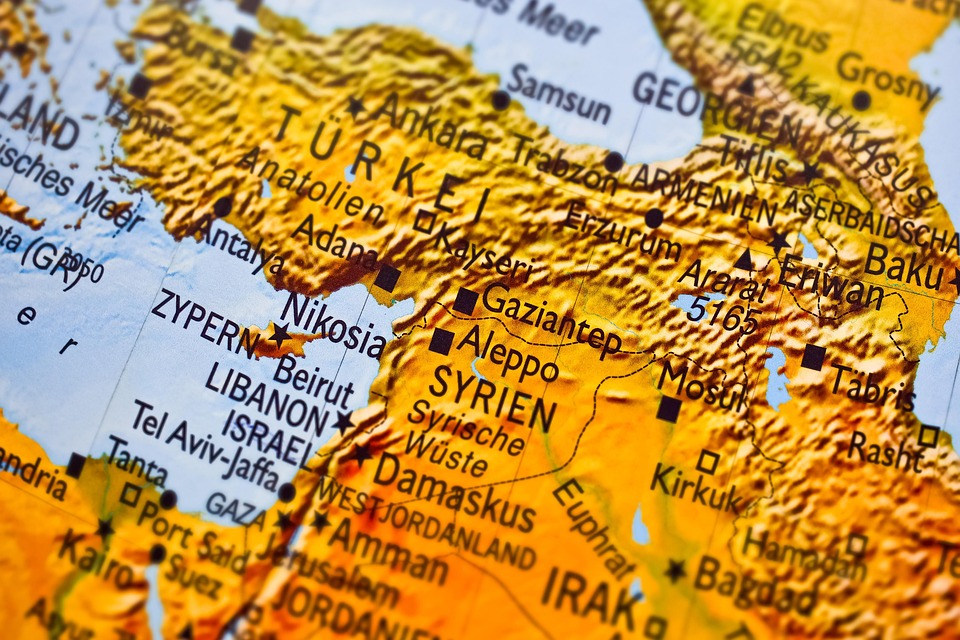
Syria, a mystical land where ancient history dances with awe-inspiring beauty and vibrant culture. While much of the world only associates this Middle Eastern treasure with its tumultuous past, Syria has begun revealing its charm to adventurous travellers seeking something truly extraordinary. From ancient cities and sacred landmarks to bustling souks and mesmerising natural landscapes, Syria promises experiences that capture the hearts of history buffs and intrepid explorers alike.
If you’ve ever wondered whether Syria should be on your travel list, let this guide transport you through some of its most captivating offerings. Ready for the adventure of a lifetime? Here’s where history meets adventure: Syria’s top travel experiences revealed.
1. Damascus: The Oldest Continuously Inhabited City on Earth
If adventure begins at the heart of history, Damascus is where everything starts. Known as the “Pearl of the East” and often regarded as the oldest continuously inhabited city in the world, Damascus unravels a tapestry of life older than the pages of history books. Meandering through its streets is like taking a walk back in time.
Highlights to Explore:
- Umayyad Mosque: One of Islam’s holiest sites, blending architectural splendour with spiritual significance.
- Souq Al-Hamidiyah: Damascus’ vibrant market filled with culinary delights, textiles, and handicrafts—perfect for shopping enthusiasts.
- Azem Palace: A 17th-century Ottoman marvel showcasing traditional Syrian architecture.
- Straight Street: Believed to be the route mentioned in biblical accounts, it is a surreal experience for history lovers.
Why Visit?
Walking the cobbled streets of Damascus gives you the unparalleled sense of traversing centuries within a single square kilometre. It’s no wonder this cultural gem is an unmissable stop for globetrotters craving an authentic Middle Eastern experience.
2. Palmyra: The Bride of the Desert
No visit to Syria is complete without venturing into the vast desert to explore the fabled city of Palmyra, also referred to as the “Venice of the Sands.” Once an essential caravan hub on the Silk Road, Palmyra was a beacon of wealth and culture in ancient antiquity.
Palmyra Must-Sees:
- Temple of Bel: Amid serene desert views, this temple radiates mythology and history.
- Roman Theatre: A stunning amphitheatre where history comes to life.
- Valley of the Tombs: Explore ancient burial chambers carved into the hillsides.
3. Aleppo: A City Rising from the Ashes
Having stood resilient in the face of adversity, Aleppo, Syria’s second-largest city, is a testament to undying human spirit. Its rich history, coupled with a restoration effort to preserve its heritage, makes it a must-visit.
Best Attractions in Aleppo:
- The Citadel of Aleppo: A hilltop fortress boasting mesmerising views coupled with tales of its military past.
- Al-Madina Souq: One of the largest covered marketplaces in the world, where Arabic scents, silks, and spices entice the senses.
- Aleppo Soap Factories: Witness the creation of the world-famous olive oil soap rooted in age-old techniques.
4. Hama: Iconic Water Wheels and Riverside Charm
For an authentic Syrian experience mixed with serenity, head to Hama. Revered for its old-fashioned wooden water wheels (norias), this city offers a picturesque blend of nature, culture, and innovation.
Top Sights in Hama:
- Norias of Hama: Marvel at these gigantic water wheels that date back to Roman times.
- Azem Palace Museum: Discover a smaller version of Damascus’ palace, filled with art and artefacts.
- The Orontes River: Ideal for a peaceful stroll or a picnic in the backdrop of Hama’s historic landscapes.
5. Krak des Chevaliers: A Crusader’s Stronghold
Often regarded as one of the most preserved crusader castles in the world, Krak des Chevaliers is a marvel of medieval military architecture. Located in the Homs Gap, its strategic hilltop position offers not only fascinating historical insights but also breathtaking views of the surrounding landscape.
Reasons to Go:
- Its labyrinth of towers reveals tales of the Crusades layered with Syrian traditions.
- UNESCO World Heritage designation ensures it remains a time capsule for future generations.
- Perfect for adventurous travellers keen on delving into the crossroads of East and West.
6. Bosra: Roman Ruins in a Quiet Countryside
Bosra, with its striking black basalt ruins, offers a day of discovery away from Syria’s bustling cities. This ancient Roman city is uniquely constructed from volcanic basalt, unlike other ruins scattered across the region.
Sights to Capture:
- The Bosra Amphitheatre: An architectural wonder largely intact, still used for performances today.
- The Byzantine Churches: Shimmering remnants of Bosra’s past religious significance.
- Ancient Roman Roads: Feel the echoes of merchants and travellers who once traded on this intricate network.
7. Tartus & the Mediterranean Coastline: A Beachside Haven
Yes, Syria has beaches—and beautiful ones at that! The Mediterranean coastline around Tartus and Latakia is a surprising blend of crystal-clear waters, relaxing shorelines, and cultural monuments tucked into seaside villages.
Top Experiences:
- Island of Arwad: A small island ripe with significant Phoenician history, just a boat ride away.
- Tartus Old City: Explore Crete-influenced architecture.
- Beach Resorts: Find hidden stretches where you can unwind or try local seafood delicacies while embracing Syrian hospitality.
8. Maaloula: The Living Language of Jesus
The village of Maaloula is one of the few places in the world where Aramaic—the language spoken by Jesus Christ—is still spoken. Nestled against the Qalamun Mountains, it feels like a step into an almost mythical past.
Notable Points:
- St. Sergius Monastery: A sacred site blending tranquillity with striking architecture.
- St. Thecla’s Convent: Dedicated to one of Christianity’s earliest martyrs and gifted with miraculous stories.
- Aramaic Speakers: Hear villagers speak in this ancient tongue, adding depth to your Syrian journey.
Practical Tips for Travellers
1. When to Visit
The best time to travel is during spring (March to May) and autumn (September to November) when the climate is pleasantly moderate across most regions.
2. Travel Safety
Before planning, check travel safety advisories, and ensure your trip includes reliable, guided tours.
3. Local Expertise with Nihosi Travels & Tours
To bridge Syria’s cultural wealth with adventure opportunities, partnering with experienced travel advisors like Nihosi Travels & Tours is invaluable. They arrange tailored itineraries, ensuring you experience the country at its fullest while respecting safety guidelines.
Frequently Asked Questions
1. Is Syria safe for travel?
Syria is gradually reopening to tourism, but it is essential to research, check government advisories, and travel with reliable local guides.
2. What languages are spoken in Syria?
Arabic is the official language, but specific areas like Maaloula still preserve Aramaic, and English is commonly understood in tourist hubs.
3. Can I take organised tours?
Yes! Several reputable agencies operate tours in Syria—including Nihosi Travels & Tours—to help you explore safely.
4. What currency is used in Syria?
The local currency is the Syrian Pound (SYP). Cash is preferred, so exchange money beforehand.
5. Are there international flights into Syria?
Yes, you can fly into Damascus International Airport or enter via neighbouring countries like Lebanon.
By blending history with adventure, Syria offers an experience like no other. Whether you’re tracing ancient roots in Damascus, marvelling at crusader castles, or exploring deserted archaeological gems, Syria is a land ready to captivate your imagination.
For the modern traveller, there’s perhaps no greater delight than discovering that even in cities scarred by time, the echoes of an illustrious past remain intact. Ready to experience the magic for yourself? Syria’s treasures await you!








Subscribe To Our Newsletter
Join our mailing list to receive the latest news and updates from our team.
You have Successfully Subscribed!