
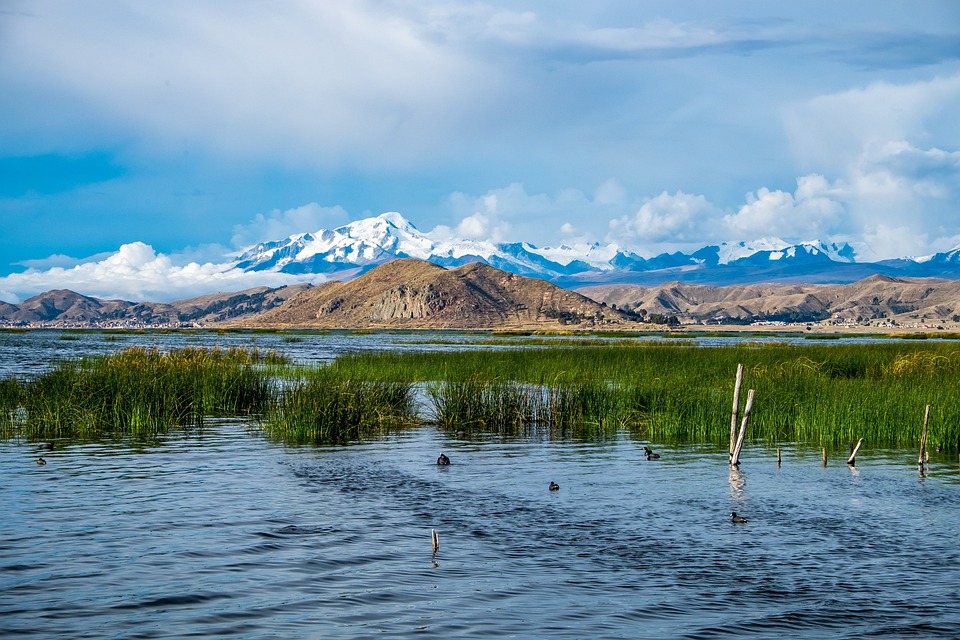
Nestled in the heart of South America, Bolivia is a country that enchants travellers with its jaw-dropping landscapes, cultural richness, and intriguing mysteries. From the snow-draped Andes to the expansive Salar de Uyuni, Bolivia is a treasure trove that beckons explorers seeking an authentic and off-the-beaten-path experience.
But Bolivia is not just a land of beautiful sights; it’s a place where traditions thrive, stories come alive, and secrets are waiting to be uncovered. In this journey, we’ll delve into Bolivia’s hidden gems and share essential travel tips to ensure you discover its magic like a local.
Why Bolivia Should Top Your Travel List
Why, you might ask, should Bolivia be your next destination? The answer lies in its contrast. Think bustling markets where indigenous culture shines through, paired with serene salt flats that stretch endlessly. Bolivia is a nation of diversity—not just in its geography but its people, food, and traditions.
For those looking for an experience far removed from the usual tourist traps, Bolivia offers an unvarnished window into South America. It’s authentic and brimming with opportunities for meaningful connections with locals, making it a top choice for travellers seeking depth and adventure.
Did You Know?
Bolivia is home to over 36 recognised Indigenous groups, each contributing to the country’s vibrant culture and traditions.
Hidden Treasures of Bolivia
When you think of Bolivia, prominent landmarks like the Salar de Uyuni or La Paz might dominate your thoughts. However, the country’s charm also lies in its lesser-known destinations. Let’s explore some of Bolivia’s hidden treasures that you might not find in conventional travel guides.
1. Torotoro National Park: Home of Dinosaurs and Adventure
If dinosaur fossils and dramatic canyon landscapes ignite your imagination, then Torotoro National Park is a must-visit. Located in the Potosí region, this untouched haven offers hiking trails leading to ancient caves, cascading waterfalls, and fossils etched into time.
What makes Torotoro so special is its ability to connect you with nature. Hike down into the Canyon of Vergel, where lush vegetation contrasts with arid surroundings, forming a landscape that seems pulled straight from a storybook.
Travel Tip: Remember to pack good hiking shoes and a sense of adventure!
2. The Witches’ Market in La Paz: Mystical Shopping Experience
Ever wondered where you could buy potions or charms for love, luck, or prosperity? The Witches’ Market in La Paz invites you into a realm of mysticism. Known locally as El Mercado de las Brujas, this market is run by yatiris (local spiritual practitioners).
You’ll find curious items such as llama fetuses (said to bring good fortune), herbal remedies, and talismans. Most items here are deeply woven into Bolivia’s spiritual traditions, reflecting the strong ties between Andean cosmology and contemporary life.
3. Samaipata: A Blend of Nature and History
Far less crowded than its famous cousins, Samaipata is a small town that offers a unique blend of natural beauty and historical intrigue. Its main draw? The UNESCO-listed pre-Columbian site, El Fuerte.
This archaeological marvel sits atop a hill and was once a ceremonial centre, connecting the native culture to celestial events. Beyond the ruins, Samaipata’s lush surroundings call for exploration, offering waterfalls, nature trails, and a laid-back vibe ideal for slowing down.
Fun Fact: Samaipata translates to “The Rest in the Heights,” and you’ll feel that restorative energy when you visit.
4. Coipasa Salt Flats: The Quieter Cousin of Salar de Uyuni
Everyone knows about Salar de Uyuni, but for those who want to skip the crowds, the Coipasa Salt Flats are perfection. Located close to the Chilean border, Coipasa presents the same magical experience of reflective salt flats, minus the heavy tourist footfall.
Here, you’ll experience the feeling of being in a world untouched by time. Let the silence wash over you as you lose yourself in nature’s surreal art.
Travel Tip: The best time to visit is during the rainy season (January to April), when the flats turn into a giant mirror for the sky.
Immerse Yourself in Local Bolivian Culture
When visiting Bolivia, it’s not enough to just see the sights. You must experience the vibrant culture that defines this incredible destination.
Attend the Potosí Mining Tours (Respectfully)
Mining is deeply tied to Bolivia’s history, particularly the city of Potosí, which was once one of the richest cities in the world due to its silver mines. Today, visitors can join guided tours into Cerro Rico mines to understand the gruelling conditions miners face and appreciate Bolivia’s resources.
Travel Responsibly: Always go with trusted guides who focus on respectful engagement, ensuring that workers’ dignity and culture are preserved.
Savour Authentic Bolivian Cuisine
You haven’t truly travelled until you’ve tasted a country. Bolivian cuisine is an explosion of flavour, celebrating indigenous and Spanish culinary traditions.
Must-try dishes include:
- Salteñas: A pastry stuffed with meat, vegetables, and a spicy broth. Perfect for a snack.
- Sopa de Maní: Peanut-based soup—a hearty comfort food best enjoyed with locals.
- Anticuchos: Grilled meat skewers, most often served with boiled potatoes.
Pro Tip: Visit local markets for fresh, budget-friendly meals and the chance to mingle with locals. One popular choice is the Mercado Central in Sucre.
Practical Tips for Exploring Bolivia
To ensure your journey through Bolivia is smooth and memorable, here are some tips:
1. Prepare for Altitude Adjustment
Bolivia’s high-altitude terrain is breathtaking—literally. La Paz, for instance, is one of the highest cities in the world, sitting at 3,650 metres above sea level.
If you’re not used to such elevations, give yourself time to acclimatise. Stay hydrated, avoid heavy meals, and try coca tea (an Andean remedy for altitude sickness).
2. Learn Basic Spanish
While major tourist hubs have English-speaking guides, much of Bolivia remains untouched by mass tourism. Picking up a few basic Spanish phrases will go a long way in connecting with locals and enhancing your experience.
3. Travel During Festivals
One of the best ways to experience Bolivia’s liveliness is by timing your visit to coincide with local festivals. The Oruro Carnival, a UNESCO-recognised event, is an explosion of colours, music, and dance that showcases Bolivia’s traditions.
Sustainable Travel in Bolivia
Travelling responsibly in Bolivia not only ensures minimal environmental impact but also respects local cultures.
- Choose eco-tours that invest in local communities.
- Avoid contributing to harmful practices, such as purchasing items made from endangered species.
- Support family-run businesses over large chains to foster economic growth in rural regions.
FAQs About Travelling in Bolivia
Q: What’s the best time to visit Bolivia?
A: The dry season (May to October) is ideal for trekking and clear views, while the wet season (November to April) offers stunning reflective scenery on the salt flats.
Q: Is Bolivia safe for tourists?
A: Bolivia is generally safe but always exercise caution in crowded areas, especially in major cities.
Q: Do you need a visa to visit Bolivia?
A: Many nationalities, including EU citizens, can visit visa-free for up to 90 days. Check with your local Bolivian consulate for specific information.
Begin Your Bolivian Adventure
Bolivia isn’t just a destination—it’s an odyssey filled with cultural discovery, dramatic landscapes, and warm encounters. Whether you’re trekking through a prehistoric canyon, savouring colourful markets, or contemplating the universe on a salt flat, every moment here feels larger than life.
Let this journey through Bolivia leave you inspired, enriched, and eager to share its hidden treasures with others. And if you’re ready to elevate your travels even further, visit Nihosi Travels & Tours for a curated Bolivian experience.
It’s time to adventure through Bolivia—one unforgettable memory at a time.
SEO-Optimised Keywords Included:
- Bolivia travel tips
- Visiting Bolivia
- Bolivia hidden destinations
- Local Bolivian culture
- Bolivia salt flats










Subscribe To Our Newsletter
Join our mailing list to receive the latest news and updates from our team.
You have Successfully Subscribed!