
Explore the Land of the Thunder Dragon: Bhutan’s Natural and Cultural Treasures
Nestled in the Eastern Himalayas, Bhutan, also known as the “Land of the Thunder Dragon,” is a land enveloped in mystery and magic. It’s a place where culture, natural beauty, and spirituality coexist in harmonious synchrony. From its verdant valleys and soaring snow-capped peaks to its intricately designed monasteries and deeply spiritual traditions, Bhutan offers an unparalleled travel experience.
In this extensive guide, we will delve into Bhutan’s unique natural and cultural treasures. Whether you’re planning a visit or are simply curious about this enchanting kingdom, we’ll take you on a virtual journey through its wonders.
A Quick Introduction to Bhutan
Bhutan is a small Himalayan kingdom situated between China and India. This Buddhist nation has famously rejected widespread conventional modernization, choosing instead to measure its development through Gross National Happiness (GNH)—a holistic approach that values sustainability, culture, and well-being over mere economic growth.
Despite its size and geographic isolation, Bhutan boasts one of the world’s most fascinating cultural tapestries and an overwhelmingly pristine natural environment. Its unique approach to sustainability and governance has gained wide attention, inspiring travellers globally to explore its hidden gems.
Why Visit Bhutan?
Ever wondered what makes Bhutan truly special? The answer lies in its unmatched combination of serene landscapes, vibrant traditions, and authentic way of life. Here’s why Bhutan deserves a spot on your bucket list:
-
Natural Wonders
Bhutan’s unspoiled beauty is a dream for nature lovers. Verdant forests blanket most of its terrain, which forms a part of the Eastern Himalayan biodiversity hotspot.With countless mountain ranges, pristine rivers, and wildlife sanctuaries hosting endangered species such as the red panda and snow leopard, Bhutan is a paradise for eco-tourism. Several guided treks provide exhilarating opportunities to immerse yourself in this untouched environment.
-
Rich Cultural Heritage
Bhutan’s centuries-old traditions remain alive and untouched by the sweeping dynamism of globalisation. From colourful annual religious festivals like Tshechus to architectural marvels like Dzongs (fortress-monasteries), Bhutan’s cultural treasures provide incredible insight into its Buddhist heritage. You’ll find these vibrant ceremonies teeming with masked dances, folk music, and intricate costumes that reflect Bhutan’s deep-rooted spirituality. -
A Land of Happiness
Bhutan is consistently celebrated as one of the happiest countries in the world. But why? The answer lies in their philosophy of Gross National Happiness (GNH), prioritising mental well-being, environmental conservation, and cultural preservation over mere material gains. As a visitor, this philosophy will most certainly encourage you to slow down, breathe deeply, and savour every connection and moment.
Natural Treasures of Bhutan
Bhutan’s serene natural beauty is its most striking feature. Let’s explore some breathtaking sites that exemplify its exceptional biodiversity.
1. Paro Valley: A Gateway to Bhutan’s Charm
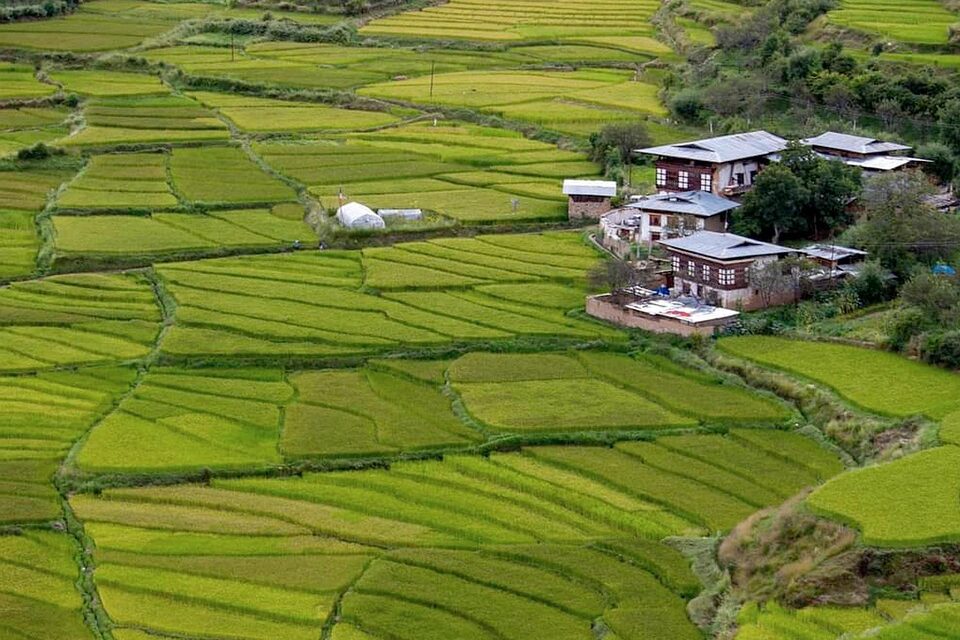
As the entry point for most visitors, Paro is famous for its lush green valleys surrounded by majestic mountains and terraced rice fields. The highlight of this area is Tiger’s Nest (Taktsang Palphug Monastery), an iconic cliffside monastery perched at 3,000 metres. The hike to this sacred site is a rite of passage for anyone visiting Bhutan.
2. Phobjikha Valley: Home of the Endangered Black-Necked Crane
Widely regarded as one of Bhutan’s most beautiful glacial valleys, Phobjikha is also a prime destination for wildlife enthusiasts. It is the wintering ground of the rare black-necked crane, revered by locals as a symbol of good fortune.
3. The Snowman Trek: One of the World’s Toughest Treks
More adventurous travellers who wish to push their limits can venture on the Snowman Trek, considered among the toughest treks in the world. Spanning up to four weeks, it traverses the remote Himalayan wilderness, offering sights of towering peaks, serene lakes, and remote villages.
Cultural Treasures and Traditions
Bhutan’s rich culture and traditions are deeply embedded in its daily life. It’s a culture built around spirituality, respect for nature, and community cohesion, which you will witness at every corner.
1. Dzongs: Bhutan’s Iconic Structures
Dzongs are majestic fortress-monasteries that serve dual purposes: religious functions and administrative duties. Architectural masterpieces like the Punakha Dzong and Tashichho Dzong showcase Bhutan’s intricate craftsmanship while standing tall as symbols of its rich heritage.
2. Festivals: Tshechus and Mask Dances
One cannot fully understand Bhutan without experiencing its Tshechus—elaborate religious festivals featuring masked dances, songs, and ceremonial acts performed by monks. These festivals attract both locals and travellers alike, creating an atmosphere of celebration and unity that resonates with Bhutan’s spiritual essence.
3. Textile Arts: Weaving & Traditional Attire
Traditional Bhutanese attire, Gho (for men) and Kira (for women), is not simply clothing but a representation of identity and pride. The weaving heritage of Bhutan, known for its intricate patterns and vibrant colours, reflects the unique stories of regions and communities.
The Unique Bhutanese Cuisine
You can’t miss out on Bhutan’s distinctive cuisine, which mirrors its mountainous terrain and cool climate. Ema Datshi (a spicy cheese and chilli stew) is the national dish and a must-try for visitors. Other culinary delights include Phaksha Paa (pork curry), red rice, and various soups flavoured with local herbs.
Vegetarian travellers will have an easy time here, owing to the influence of Buddhist practices that encourage meat-free living. Bhutanese tea, particularly butter tea (Suja), will warm your soul after a long day of exploring.
Sustainable Tourism in Bhutan
Bhutan takes great pride in its sustainable tourism model, guided by its “High Value, Low Impact” policy. Travellers must pay a Sustainable Development Fee (SDF), which ensures that Bhutan’s cultural and environmental integrity is preserved. This visionary approach allows tourism revenue to be reinvested in environmental conservation, infrastructure, and community development.
For those looking to enter Bhutan, Nihosi Travels & Tours (www.nihositravels.com) offers expertly curated travel packages that ensure you not only experience Bhutan’s best highlights but do so responsibly. From guided treks to cultural sightseeing, they can tailor itineraries to suit your interests.
When is the Best Time to Visit Bhutan?
While Bhutan is a year-round destination, the best times to visit are the spring (March to May) and autumn (September to November). During these seasons, the skies are clear, offering spectacular mountain views, and the valleys come alive with vibrant flora.
Winter travellers shouldn’t be discouraged—less crowds and snow-covered landscapes add unique charm. Just make sure to pack layers to combat the colder temperatures.
Essential Travel Tips for Bhutan
To fully prepare for your trip to Bhutan, keep the following advice in mind:
-
Visa Requirements: International travellers, except those from India, Maldives, and Bangladesh, require a visa arranged through a licensed Bhutanese tour operator.
-
Respect Local Customs: Bhutan’s culture is conservative—dress modestly when visiting monasteries and temples, and always ask for permission before taking photographs.
-
Altitude and Fitness: Given Bhutan’s mountainous terrain, ensure you account for altitude sickness and are reasonably fit if planning to partake in trekking activities.
Frequently Asked Questions (FAQ)
1. What makes Bhutan an extraordinary travel destination?
Bhutan’s harmonious blend of nature, culture, and spirituality creates a unique travel experience unlike anywhere else in the world. Everything—its high mountains, historical sites, and festivals—is tied to its rich traditions and respect for the environment.
2. How much does it cost to visit Bhutan?
Bhutan follows a sustainable tourism model with a daily Sustainable Development Fee (SDF). The costs vary based on the season and itinerary but typically range from $200–$250 per day during peak travel months.
3. Is Bhutan safe for travellers?
Yes. Bhutan is regarded as one of the safest travel destinations due to its low crime rates, welcoming population, and tourist-centric policies.
Ready to explore Bhutan? Discover its wonders with Nihosi Travels & Tours, where bespoke itineraries and expert local guides await to provide your dream Himalayan adventure.
Embark on this journey and immerse yourself in the land of unparalleled beauty and timeless traditions. Bhutan isn’t just a destination—it’s a revelation.










Subscribe To Our Newsletter
Join our mailing list to receive the latest news and updates from our team.
You have Successfully Subscribed!