
When you think of Romania, images of enchanting castles, dense forests, and the legend of Dracula might immediately come to mind. While these iconic sites like Bran Castle and the Transfăgărășan Highway are indeed breathtaking, Romania is brimming with lesser-known treasures that remain shrouded in mystery to most travellers. If you’re yearning to explore a country steeped in history and natural beauty without following the well-trodden paths, you’re in for a treat!
In this article, we’ll unveil 10 hidden gems in Romania that you probably didn’t know existed. From secret villages untouched by time to natural wonders that rival the world’s most famous landscapes, this guide will inspire you to chart your own Romanian adventure.
1. The Mud Volcanoes of Buzău (Vulcanii Noroioși)
Imagine a land that feels like another planet: bubbling mud pools, miniature volcanoes, and cracked landscapes stretch as far as the eye can see. Located in the Buzău County, the Mud Volcanoes are an astonishing geological phenomenon that many travellers miss.
These small cones of mud and gas erupt with a mix of water and clay, creating bizarre lunar-like terrain. Though they aren’t large in scale, the surreal atmosphere makes it a photographer’s dream. Best time to visit? Spring and autumn, when cooler temperatures create the most dynamic mud formations.
How to get there: A short drive from Berca village, around 2.5 hours from Bucharest. Pair this with a hike in the surrounding Buzău hills.
2. The Merry Cemetery (Cimitirul Vesel)
Cemeteries are rarely associated with joy, but the Merry Cemetery in the Maramureș region is a unique exception. Brightly painted crosses and humorous epitaphs tell the life stories (and sometimes cheeky deaths!) of those buried there.
Each grave is intricately carved with colourful illustrations depicting the deceased’s life or occupation. This unconventional approach to remembering the dead reflects a light-hearted view of life and an acceptance of its transient nature.
Tip for travellers: Combine your visit with a trip to Maramureș’s ancient wooden churches, another UNESCO World Heritage gem.
3. Scărișoara Ice Cave (Peștera Scărișoara)
Journey into the heart of the Apuseni Mountains to discover one of the largest underground ice caves in the world, the Scărișoara Ice Cave. Encased in eternal frost, this natural wonder houses a glacier that is over 3,000 years old.
The cave’s “Big Hall” boasts glittering stalactites and ice formations that remain frozen year-round. Visitors can descend a flight of metal stairs to observe this icy subterranean world.
Important to know: Dress warmly, even in summer. Temperatures inside the cave rarely rise above freezing.
4. The Danube Boilers (Cazanele Dunării)
Along the Romanian-Serbian border, the Danube River carves through dramatic limestone cliffs forming the Danube Boilers, a natural marvel that must be seen to be believed. Here, the river narrows and flows forcefully through the Iron Gates Gorge, surrounded by sheer rock walls teeming with wildlife.
Don’t miss the striking Decebalus Statue, a giant 40-metre carving of the Dacian king’s face etched into the cliff face—a testament to Romania’s ancient heritage.
Pro travel tip: Rent a kayak or take a boat tour to explore hidden caves, like Ponicova Cave, along the river.
5. Viscri Village
Step into an untouched medieval world in the Saxon village of Viscri, where Prince Charles himself reportedly owns a property. Cobblestoned streets, refurbished Saxon houses, and the famed fortified church present a perfect snapshot of centuries-old Transylvanian life.
This UNESCO-protected village is also a haven for artisanal crafts. From handcrafted textiles to fresh farm produce, you’ll find authentic gems everywhere.
Travel advice: Spend the night in a guesthouse for a genuinely immersive experience. Don’t miss tasting the homemade jams and cheeses!
6. Bigăr Waterfall (Cascada Bigăr)
Once hailed as one of the most beautiful waterfalls in the world, Bigăr Waterfall might look small but packs an impressive visual punch. Located within the Anina Mountains, the waterfall’s moss-covered rock creates a green, fairy-tale-like cascade of sparkling water.
Though the original waterfall partially collapsed in 2021, the surrounding area and smaller cascades remain must-visit spots for nature lovers.
While here, explore: Bigăr is part of the Nerei-Beușnița Gorges, a nature reserve with jaw-dropping trails and turquoise rivers.
7. Corvin Castle (Castelul Corvinilor)
While Bran Castle often steals the spotlight, Corvin Castle in Hunedoara is equally majestic, yet far less crowded. This Gothic masterpiece looks like something straight out of a fantasy novel with its drawbridge, towering spires, and haunting dungeons.
Steeped in myths, legends claim the imprisoned Hungarian king Vlad the Impaler (the figure behind Dracula) was held here during his captivity.
Recommendation: Visit after sunset during one of their night tours—it’s eerily atmospheric and perfect for history buffs and Gothic architecture fans alike.
8. Cioclovina Cave
For the adventurous at heart, Cioclovina Cave in the Șureanu Mountains presents a chance to delve into phenomenal stalactites, winding chambers, and ancient artefacts. This cave is not as well-known as others across Romania, but what sets it apart is its raw, unrefined charm.
Archaeologists have uncovered Neolithic-era pottery fragments here, making it a great destination for history enthusiasts.
Good to know: Access is a little tricky, so hiring a local guide is essential.
9. Alba Carolina Citadel (Cetatea Alba Carolina)
Located in Alba Iulia, the Alba Carolina Citadel is a Baroque-style star fort that is often an overlooked attraction in Romania. But this majestic structure holds over 2,000 years of history, with Roman, medieval, and modern influences woven into its fabric.
The citadel’s gates and bastions are awash with symbolism, and history enthusiasts can explore museums and underground passages hidden throughout its walls.
Tip to enhance your visit: Time your trip to witness the daily changing of the guard ceremony for that extra touch of historical immersion.
10. Lake Saint Ana (Lacul Sfânta Ana)
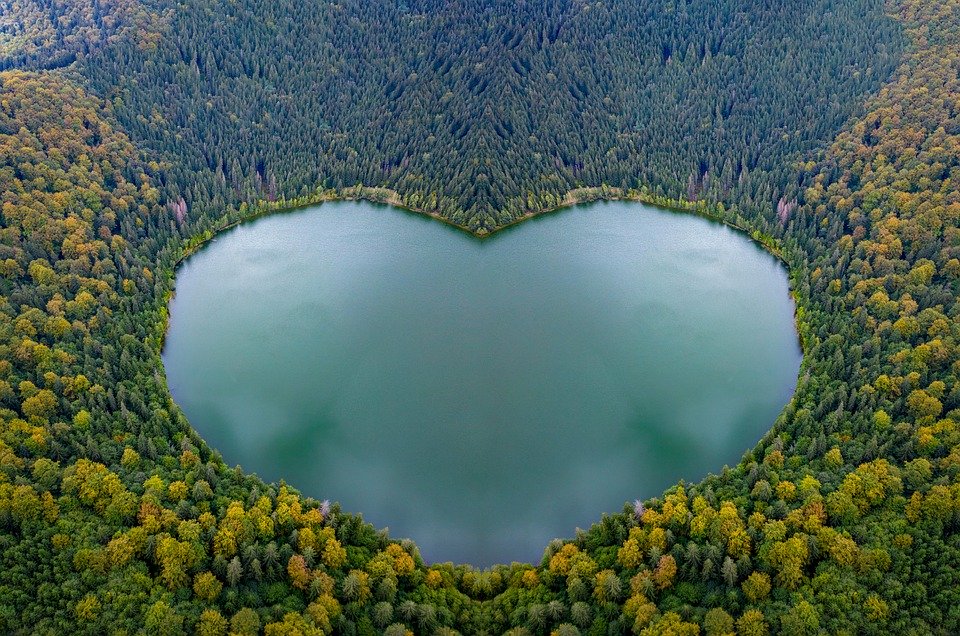
Perched atop a volcanic crater in the Harghita Mountains, Lake Saint Ana is Romania’s only volcanic lake and is celebrated for its serene beauty. Surrounded by deciduous forests, it offers a peaceful retreat for anyone looking to connect with nature.
The lake is a hotspot for hiking, birdwatching, and even swimming in the summer months, with its crystal-clear waters said to have therapeutic properties.
When to visit: Autumn is spectacular when the forests burst into a riot of colours, creating a tranquil, picture-perfect setting.
Conclusion
Romania isn’t just a land of Dracula legends and grand medieval castles. It’s an untapped treasure trove of hidden gems waiting to be discovered by adventurous souls. These 10 spots are just the tip of the iceberg. Beyond these destinations, there are countless villages, caves, and trails where time seems to have stood still.
So, why not pack your bags and allow Romania to surprise you? Whether it’s the mesmerising landscapes of the Danube Boilers or the charm of Saxon villages like Viscri, each destination offers a unique story you’ll be excited to tell for years to come.
If you’re planning your Romanian adventure, let Nihosi Travels & Tours curate a tailored experience. With expert guides and flexible itineraries, you’ll see the Romania few others do. Ready to uncover the hidden treasures of this remarkable country? Visit www.nihositravels.com today and start planning your trip of a lifetime!
FAQs About Hidden Gems in Romania
What is the best time to visit Romania to explore lesser-known attractions?
Spring (April-May) and autumn (September-November) are ideal. The weather is pleasant, and crowds are minimal.
Are these hidden gems family-friendly?
Yes, most destinations are suitable for families. However, some, like Cioclovina Cave, demand a bit more adventure and preparation.
How can I reach these places without renting a car?
Public transportation connects major towns, but for remote gems like the Mud Volcanoes or Scărișoara Ice Cave, hiring a car or guide is highly recommended.
Can I stay overnight at these destinations?
Absolutely! Villages like Viscri and areas near Lake Saint Ana offer cosy guesthouses for authentic experiences.
Do I need special permits to explore caves in Romania?
Some caves, like Cioclovina Cave, may require local guides or permits. Always check ahead of time.
For more information, visit www.nihosi.com for travel tips and expert assistance!










Subscribe To Our Newsletter
Join our mailing list to receive the latest news and updates from our team.
You have Successfully Subscribed!