
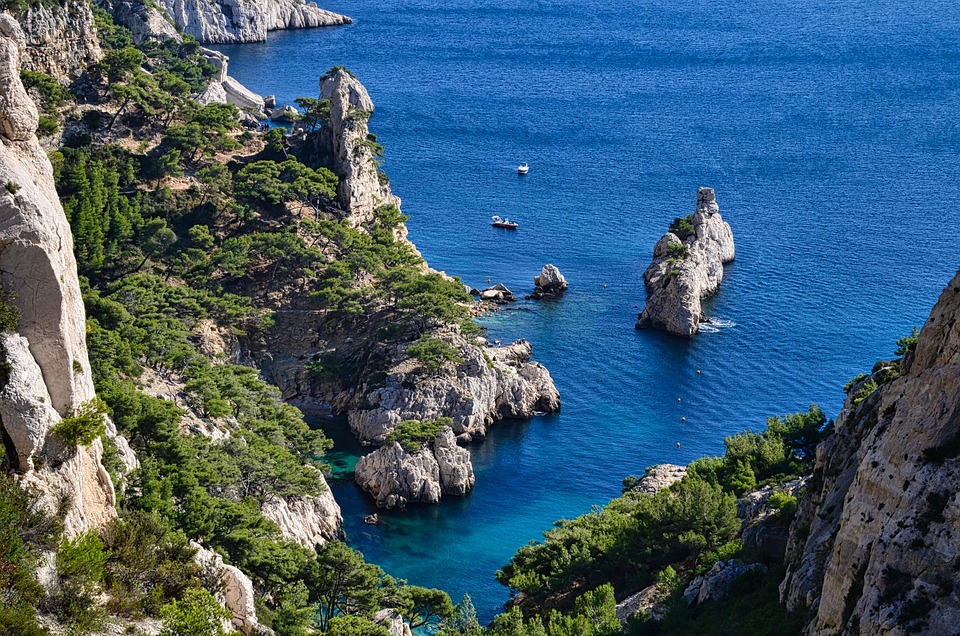
France, the land of romance, fashion, and fine dining, is a dream destination for many. With its charming villages, rolling vineyards, stunning coastline, and historic cities, this European gem offers experiences that cater to every traveller’s taste. But here’s the truth: traversing France like a seasoned explorer isn’t just about following a typical travel guide. It requires knowing the little secrets that set apart the casual tourist from the savvy traveller. In this guide, we’ll uncover the art of travelling in France and share actionable insights to craft your most memorable trip.
Why France Captivates Every Wanderer
France isn’t just one of the most visited countries globally for its landmarks—it’s also about the way it makes you feel. A walk along the Seine River at sunset, the aroma of freshly baked croissants wafting through Parisian streets, or the quiet hum of the Provençal countryside; every moment feels cinematic. But to truly capture the magic, you need more than just a bucket-list itinerary.
A Peek into France’s Diversity
France is not a monolith. Its beauty lies in its striking diversity:
- Paris: The chic capital, known for the Eiffel Tower, Louvre Museum, and fashion-forward streets of the Marais.
- Provence: Rolling lavender fields, medieval villages, and tranquil countryside views.
- The French Riviera: Glamorous beaches, luxury yachts, and the shimmering Mediterranean sea in places like Nice and Saint-Tropez.
- The Loire Valley: A regal escape with its opulent châteaux and plush vineyards.
- Brittany: Rugged cliffs, traditional crepes, and Celtic culture.
- The Alps: A haven for winter sports lovers and breathtaking alpine hikes.
Each region has a unique charm, cuisine, and culture, which makes France perfect for slow, immersive travel.
Planning a Trip to France: Pre-Travel Essentials
Before diving into the secrets of mastering your journey in France, let’s address the basics of planning.
1. Best Time to Visit France
The beauty of France is that it’s a year-round destination, but timing your trip depends on your interests.
- Spring (March-May): Perfect for outdoor exploration, blooming gardens, and mild weather across cities.
- Summer (June-August): Ideal for beach lovers, festivals, and countryside escapes, although it’s high tourist season.
- Autumn (September-November): A great season for wine tours, food festivals, and magical golden-hued landscapes.
- Winter (December-February): Visit for Christmas markets, skiing in the Alps, and quieter urban experiences.
Pro Tip: Avoid peak tourist months like July and August if you prefer fewer crowds.
2. Getting Around France: Transportation Secrets
France’s extensive, efficient transport infrastructure makes it incredibly easy to navigate—especially if you know how to work the system.
i) Trains: The SNCF Advantage
SNCF (France’s national rail service) offers high-speed trains like the TGV that whisk you from Paris to other key destinations.
- Book in Advance: Tickets are cheaper when booked weeks ahead on platforms like Oui.sncf or Trainline.
- Interrail Pass (For Non-EU Citizens): The perfect option for unlimited train travel across France and beyond.
ii) Driving Through the Countryside
Rent a car if you dream of exploring the picturesque villages and vineyards of Provence, the Loire Valley, or Normandy.
- Pro Tip: Rent a manual car unless automatic transmission is a must. It’s notably cheaper.
iii) Public Transport in Cities
In urban hubs like Paris, Lyon, or Marseille, metro systems are reliable, cost-effective, and efficient. Get multi-day passes for the best value.
3. Language and Etiquette: Blending Seamlessly with Locals
Despite being popular with tourists, showing effort in French goes a long way in blending in.
- Learn Basic Phrases: “Bonjour” (Good morning), “Merci” (Thank you), “Parlez-vous anglais ?” (Do you speak English?).
- Politeness Matters: Always greet with “Bonjour” when entering shops or restaurants.
- Dress Modestly: French style leans toward chic yet simple—ditch overly flashy attire to avoid standing out.
The Secrets of Exploring Iconic Cities in France
Transitioning from the basics to the magic itself, let’s take a closer look at how to experience French cities like a local.
Paris: Turn the Cliché Into an Adventure
Paris may be teeming with attractions, but the secret lies in balancing the iconic with the lesser-known.
- Beneath the Eiffel Tower: Visit in the early morning or at dusk for better photos without the swarm of tourists.
- Hidden Gems in Montmartre: Wander past Sacré-Coeur into quiet cobblestoned streets dotted with quaint cafés.
- Museums for Art Enthusiasts: Apart from the Louvre, try the Musée de l’Orangerie or Musée Rodin.
- Eat Like a Local: Go beyond extravagant dining and sample authentic Parisian fare at neighbourhood brasseries.
💡 Fun Fact: Skip the tourist menus and order the “plat du jour” (dish of the day) for a more economical and authentic meal.
Provence: A Journey Back in Time
Exploring Provence feels like stepping into a painting of fields and softly tinted skies.
- Lavender Season: Time your visit in June-July to catch blooming lavender fields in the regions of Valensole or Gordes.
- Market Days: Many villages hold weekly markets featuring regional produce. Don’t miss the Saint-Rémy-de-Provence market during summer.
- Explore Aix-en-Provence: Renowned as Cézanne’s hometown, this city offers art, culture, and a laid-back charm.
The French Riviera: Where Luxury Meets Natural Beauty
The Côte d’Azur is synonymous with luxury, but you don’t need a millionaire’s budget to enjoy it.
- Beach Alternatives: Visit local beaches outside La Croisette in Cannes—like Antibes beaches—for a quieter experience.
- Scenic Drives: Take the coastal route between Nice and Monaco for postcard-worthy views.
- Visit Éze Village: Hidden high on a cliff, this medieval village offers stunning panoramas and quaint boutiques.
Unusual French Experiences You Shouldn’t Miss
While ticking off UNESCO sites is essential, some lesser-known experiences add a true spark of magic to your journey.
- Cooking Class in Lyon: France’s gastronomic capital is the perfect place to master regional recipes.
- Château Sleepovers in the Loire Valley: Many historic castles offer lodging for a fairy-tale experience.
- Dune du Pilat in Arcachon: Europe’s tallest sand dune offers panoramic views of the Atlantic Ocean and surrounding forests.
Eating Your Way Through France: Best Foodie Tips
French cuisine is celebrated worldwide for good reason, but half the fun is uncovering regional food traditions.
1. Know Your Regional Specialities:
- Normandy: Creamy Camembert, cider, and seafood (try moules marinières).
- Burgundy: Escargot, coq au vin, and some of the country’s most prestigious wines.
- Alsace: Flammekueche (tarte flambée) and hearty sauerkraut.
2. Desserts Worth Indulging In:
- Macarons in Paris: Make a pit stop at Ladurée or Pierre Hermé.
- Crème brûlée: Who doesn’t love that caramelised crunchy top layer?
- Tarte Tatin: A caramelised apple pie from the Loire Valley.
Sustainable Travel Tips: Respect France’s Natural Beauty
Given the growing focus on sustainable tourism, you’ll want your trip to be both enjoyable and environmentally mindful:
- Skip Plastic: Carry a reusable water bottle; tap water in France is safe.
- Support Local Businesses: Purchase handmade crafts, foods, and souvenirs from local artisans.
- Public Transport Over Cars: Use trains and buses whenever possible to reduce your carbon footprint.
FAQ Section: Mastering French Travel
1. What’s the most cost-effective way to see France?
Travel during the off-season (autumn or winter), and use regional trains or budget carriers for long distances.
2. Is France family-friendly?
Yes, with a variety of child-friendly attractions like Disneyland Paris, biking trails in the Loire Valley, and beaches in the south.
3. How do I avoid tourist traps in restaurants?
Look for where locals eat. Places away from landmarks tend to have better prices and authentic food.
4. Can I drink tap water in France?
Absolutely. Tap water is usually clean and safe.
5. What documents do I need for my trip?
For most international travellers, a valid passport and visa (if required) are mandatory. Check your local embassy for updates.
6. Are Sundays quiet in France?
Yes! Many stores and establishments close on Sundays, so plan your essentials or trips beforehand.
Travelling in France is about going beyond the surface and embracing its layers of art, history, and everyday beauty. Follow the secrets outlined here, and your journey will transform from a mere holiday into a lifelong treasure.
Safe travels, and remember—France is every bit as magical as you imagine it to be! 🌏










Subscribe To Our Newsletter
Join our mailing list to receive the latest news and updates from our team.
You have Successfully Subscribed!