
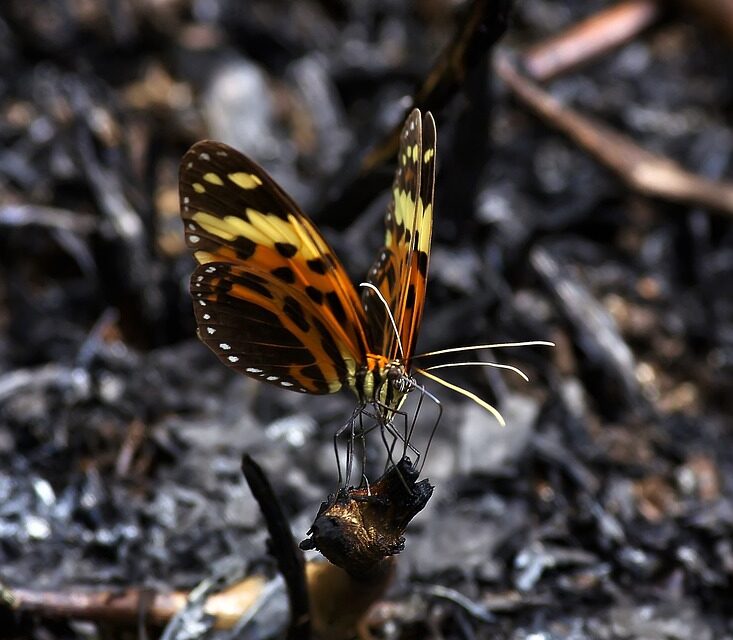
Nestled on the northern coast of South America, Guyana is a country often overlooked by travellers. While most flock to the Andes of Peru, the beaches of Brazil, or the Amazon rainforest, Guyana quietly holds a treasure trove of natural beauty, rich biodiversity, and cultural intrigue. It remains one of South America’s best-kept secrets, offering a slice of pristine wilderness and experiences that are rare in an increasingly commercialised travel world.
If you’re a nature enthusiast or explorer seeking your next grand adventure, Guyana should be on your radar. From its untouched rainforests and diverse wildlife to its cascading waterfalls and indigenous heritage, this small nation punches far above its weight. So, why is Guyana the ultimate destination for nature lovers, and what makes it such a hidden gem in 2025? Let’s dive deep into what makes Guyana so extraordinary.
A Land of Unspoiled Wilderness
Guyana, with its vast expanses of untamed wilderness, feels like a world away from the more tourist-heavy hotspots of South America. Approximately 87% of Guyana’s landscape is covered in forests, making it one of the few remaining countries with such extensive natural cover. This means you’ll often find yourself surrounded by nothing but the pure sounds of nature—a rare experience in today’s global travel scene.
The Majestic Kaieteur Falls
Starting with its showpiece, the Kaieteur Falls encapsulate everything magical about Guyana. Often deemed the world’s most powerful single-drop waterfall, this natural wonder is almost five times taller than Niagara Falls. What makes Kaieteur unique is its remote location, deep within the Amazon rainforest, accessible only by a charter plane or a gruelling multi-day trek.
Standing at the edge of these thunderous falls with no crowd fences or large tour groups is an unforgettable experience. It’s raw, unfiltered, and embodies everything that makes Guyana an adventurer’s dream.
Pro tip: Visit Kaieteur Falls during the rainy season (May to July) for the most dramatic water flow, but pack waterproof gear as trails can get muddy.
Iwokrama Rainforest: A Biodiversity Hotspot
The Iwokrama Rainforest, situated at the heart of Guyana, is one of the world’s most pristine tropical forests. This protected area is a haven for wildlife enthusiasts, home to jaguars, giant anteaters, harpy eagles, and an abundance of other species.
The ultimate draw of Iwokrama, however, is the opportunity to immerse yourself in its untouched beauty. Fancy spotting a jaguar while traversing its canopies? Or perhaps cruising down the mighty Essequibo River, surrounded by ancient trees and the calls of exotic birds, sounds like your idea of tranquillity. Either way, Iwokrama offers unparalleled access to nature in its rawest form.
A Paradise for Wildlife Enthusiasts
For wildlife lovers, Guyana is akin to discovering Eden. Its ecosystems, ranging from savannahs and wetlands to montane forests, are teeming with rare and unique species. It’s no wonder Guyana is often referred to as a “biodiversity hotspot.”
Birdwatcher’s Delight
Gear up with binoculars because Guyana is a birdwatcher’s paradise. With over 800 bird species, including rare gems like the Guyana Cock-of-the-rock and the endangered Hoatzin, the country offers thrilling opportunities to spot avian wonders. Repopulated by dense forests and wetlands, locations like the Rupununi Savannah provide ideal birding destinations.
Not a birdwatching pro? Don’t worry! Most tours can pair you with skilled local guides who know exactly where to find these winged beauties and will also help you capture stunning shots for your memory bank (or Instagram).
Fun Fact: The Hoatzin, also known as the “stinkbird,” gets its peculiar name from its fermented leaf-based diet, giving it a distinctive smell!
Giants of Guyana
Beyond its birds, the country boasts some remarkable animal giants. Whether you’re spotting the elusive jaguar, swimming with a giant river otter, or marvelling at the prehistoric-looking black caiman crocodiles, Guyana’s fauna offers rare, heart-pounding moments for explorers. Visitors venturing into the Rupununi Wetlands might also encounter the legendary arapaima, one of the world’s largest freshwater fish.
Insider Tip: To increase your chances of spotting rare creatures, aim for guided night-time tours when many of Guyana’s wildlife are most active.
The Rich Cultural Heritage of Guyana
Exploring Guyana is not just about nature—its cultural tapestry enriches the journey. With a blend of indigenous peoples, African, East Indian, and European influences, Guyana’s culture is as diverse as its environment.
The Indigenous Communities
Guyana is home to nine recognised indigenous tribes, including the Makushi, Wapishana, and Arawak. These communities have called Guyana home for thousands of years and have a deep connection to the land. Visiting indigenous villages like Surama or Rewa allows travellers to learn about ancient traditions, sustainable living practices, and their harmonious relationship with the natural world.
Festivals and Food
Guyana’s cultural festivals, such as Phagwah (Holi) and Mashramani, showcase the country’s vibrant heritage. And let’s not forget the food! The cuisine offers an incredible fusion of Creole, Indian, and Caribbean flavours. Dishes like pepperpot, roti with curry, and Guyanese bake and saltfish are likely to tantalise your taste buds.
Travel Tip: Try the locally brewed El Dorado Rum—it’s considered one of the finest rums in the world.
Adventure-Laden Activities for Explorers
Trekking the Kanuku Mountains
The Kanuku Mountains, known as the ‘place of water,’ divide Guyana’s Rupununi Savannah into northern and southern segments. Perfect for explorers, its rugged and remote terrain makes for challenging yet exhilarating treks. If you’re up for it, you can expect panoramic views of unspoiled green landscapes and encounters with rare species that inhabit the forests.
River Expeditions
For thrill-seekers, the rivers of Guyana offer exciting opportunities. Kayaking or rafting down the white-water rapids of the Potaro River or embarking on a multi-day boat tour along the Essequibo River provide unparalleled access to Guyana’s countryside, punctuated with sightings of remote waterfalls and local wildlife.
Why Visit Guyana Now?
Sustainable Tourism Efforts
Guyana’s tourism industry is increasingly committed to sustainable practices. Whether you’re staying at eco-lodges run by indigenous communities or joining small group tours designed to minimise environmental impact, your visit can directly support conservation efforts.
Did you know? In 2019, Guyana won the Best in Ecotourism Award at the ITB Berlin Travel Trade Show, solidifying its position as a leading eco-tourism destination in the world.
Off-the-Beaten-Track Appeal
Unlike the more crowded travel destinations of South America, Guyana offers an authentic experience. There are no tourist traps, no overpriced tickets—just raw, authentic exploration. For 2025, when the demand for transformative travel experiences is skyrocketing, Guyana presents an untapped opportunity for those keen on reconnecting with nature.
Plan Your Guyana Adventure with Nihosi Travels & Tours
For a seamless and enriching experience of Guyana, Nihosi Travels & Tours (www.nihositravels.com) offers customised itineraries that cater to your adventure preferences. Whether it’s trekking, birdwatching, or connecting with indigenous communities, their expert guides provide unmatched insights and security, ensuring you make the most of your trip.
FAQs
1. Where is Guyana located?
Guyana is located on the northeast coast of South America, bordered by Venezuela, Suriname, and Brazil.
2. What is the best time to visit Guyana?
The dry seasons, particularly from February to April and mid-August to November, are ideal for travel.
3. Do I need a visa to visit Guyana?
Visitors from most countries, including the UK, US, and Canada, can enter Guyana visa-free for a specified period. Check your country’s specific travel regulations before arriving.
4. How safe is Guyana for travel?
While Guyana is generally safe for tourists, some urban areas may require basic precautions. Stick to reputable tour operators and avoid isolated urban areas at night.
5. What currency is used in Guyana?
The currency of Guyana is the Guyanese dollar (GYD). US dollars are widely accepted as well.
In conclusion, Guyana is undeniably South America’s best-kept secret for nature lovers and adventurers alike. Its unspoiled wilderness, diverse wildlife, and immersive cultural experiences make it a must-visit destination for anyone seeking a genuine connection with the world around them. So, pack your bags and take the road less travelled—Guyana is waiting to amaze you!










Subscribe To Our Newsletter
Join our mailing list to receive the latest news and updates from our team.
You have Successfully Subscribed!