
Lithuania, the southernmost of the Baltic states, is a gem waiting to be fully uncovered. Famous for its rich history, unique culture, and breathtaking landscapes, it’s a country that too often flies under the radar of global travellers. While the bigger players in Europe bask in the limelight, Lithuania quietly enchants those who dare to step off the beaten track. Whether you’re a history enthusiast, a nature lover, or someone drawn to unexplored destinations, there’s something for everyone in this Baltic wonderland.
While global tourism tends to highlight time-worn capitals like Paris or Rome, Lithuania offers an underrated yet equally charming alternative. Forget the stereotypes, and let’s take you on a deep dive into why this hidden gem should be your next travel destination.
A Brief Introduction to Lithuania
Located along the southeastern shore of the Baltic Sea, Lithuania is a country bursting at the seams with diversity. Its capital, Vilnius, is an architectural dream—a blend of Gothic, Baroque, and Renaissance styles—and serves as a gateway to understanding the country’s intriguing past. From lush forests and serene lakes to sandy beaches along the Curonian Spit, Lithuania’s natural beauty rivals that of any postcard-perfect European country.
The country is proud of its resilience, having endured countless struggles, including Soviet occupation. Today, it’s a thriving independent state that masterfully blends modern innovation with an appreciation for its past. Curious about what sets Lithuania apart? Let’s explore its fascinating facts before diving into its most underrated spots.
Fascinating Facts About Lithuania
1. It Was Once the Largest Country in Europe
While it may be compact today, Lithuania wasn’t always a tiny corner of Europe. During the 14th century, the Grand Duchy of Lithuania extended from the Baltic Sea all the way to the Black Sea, encompassing present-day Belarus, Ukraine, and parts of Poland and Russia.
This golden age of Lithuanian history established the country as a dominant European power, one whose legacy can still be felt in its cities, castles, and cultural identity.
2. Home to Europe’s Geographical Centre
Did you know that Lithuania holds a unique geographical claim to fame? In 1989, the French National Geographic Institute officially announced that the geographical centre of Europe lies in the small village of Purnuškės. Visiting this site is a great way to enrich your travels since it adds a unique bragging right to your itinerary.
3. Lithuanian is One of the Oldest Living Languages
Lithuanian isn’t just a language; it’s a time capsule. As one of the oldest Indo-European languages still in use, it has preserved ancient linguistic traits that even ancient Sanskrit shares. Exploring the language adds another fascinating layer to understanding the culture.
4. A UNESCO World Heritage Treasure Trove
Lithuania may be one of Europe’s smaller countries, but it’s home to several UNESCO World Heritage Sites. From the Curonian Spit—a breathtaking stretch of shifting sand dunes—to the historic centre of Vilnius, these sites are a testament to Lithuania’s natural and cultural significance.
5. Basketball: The National Obsession
If football (soccer) rules most of Europe, basketball reigns supreme in Lithuania. With a history of producing world-class players and hosts of international tournaments, catching a basketball game in Lithuania is akin to experiencing local culture at its most passionate.
Underrated Spots to Explore in Lithuania
Now that you’re familiar with some intriguing facts about Lithuania, it’s time to uncover its hidden treasures. While Vilnius and the other major cities are stunning, some lesser-known gems will leave you speechless.
1. Hill of Crosses (Kryžių Kalnas)
If there’s one place that encapsulates Lithuania’s spiritual and historical resilience, it’s the hauntingly beautiful Hill of Crosses. Located near Šiauliai in northern Lithuania, this site features over 100,000 crosses, rosaries, and crucifixes as a testament to the country’s enduring Catholic spirit. It’s a place that defies convention—a powerful monument to faith, resistance, and unity.
Pro Tip: Visit at sunrise or sunset for an otherworldly atmosphere and fewer crowds.
2. Curonian Spit National Park
A narrow strip of sand dunes stretching between the Curonian Lagoon and the Baltic Sea, the Curonian Spit is nothing short of magical. Perfect for a beachside escape or a day of cycling through pristine forests, this UNESCO World Heritage Site is an unspoilt paradise.
The charming town of Nida, with its brightly painted wooden houses, is the perfect base for exploring this Baltic wonderland. You’ll also find “dancing trees” in the forest—twisted and contorted pines that seem as though they’re performing a whimsical waltz.
3. Kaunas: The Modernist Marvel
While Vilnius is Lithuania’s historic heart, Kaunas offers a modernist charm that’s hard to resist. Once a temporary capital, the city is now a UNESCO-designated City of Design. Its interwar architecture is celebrated globally, but that’s not all.
Kaunas is also home to quirky museums, such as the Devil’s Museum, which boasts a strange yet fascinating collection of devils from around the world. For an offbeat experience, explore the artistic quarter of Užupis, often likened to Vilnius’s edgier sibling.
4. Aukštaitija National Park
Nature enthusiasts, rejoice! Aukštaitija National Park is Lithuania’s oldest and arguably most stunning national park. Known for its crystal-clear lakes, dense pine forests, and traditional wooden villages, the park is an adventurer’s paradise.
Opt for a kayaking trip through interconnected lakes or take a leisurely hike to admire the ancient Ginuciai Watermill, an Instagram-perfect relic from a bygone era. Exploring the outdoors has never been this tranquil or captivating.
5. Trakai: The Island Castle
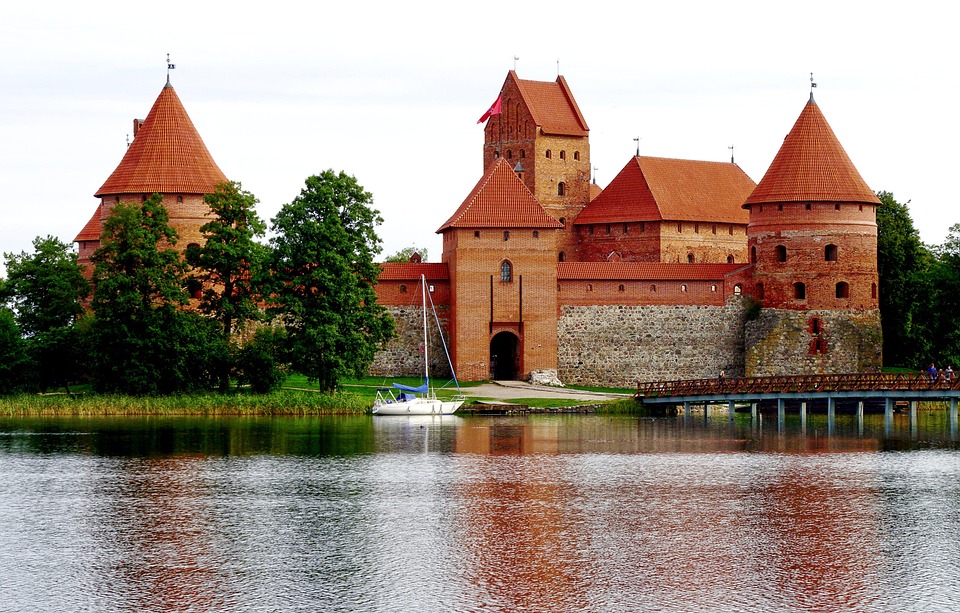
A short drive from Vilnius, Trakai Castle rises dramatically from Lake Galvė, like something straight out of a fairytale. This 14th-century Gothic fortress is surrounded by the lake and accessible only by footbridge, adding to its enchanting appeal.
Trakai also holds significance for Lithuania’s Karaite community, who settled here centuries ago. Be sure to try the traditional Karaite pastry, kibinai, for a tasty window into an ancient culture.
6. Druskininkai: A Wellness Retreat
For those seeking relaxation, Druskininkai is Lithuania’s ultimate spa town. Renowned for its mineral waters and therapeutic mud treatments, this serene destination promises to rejuvenate both body and soul.
The Grūtas Park, located nearby, is a quirky Soviet sculpture garden offering an open-air history lesson on Lithuania’s Soviet past.
7. Palanga: A Baltic Beach Haven
While not always associated with beach getaways, Lithuania’s coastline is a hidden gem in itself. Palanga, in particular, offers a charming coastal experience with its sandy beaches and lively promenade. Don’t miss the Palanga Amber Museum, which showcases Lithuania’s iconic “Baltic Gold.”
Practical Tips for Exploring Lithuania
To make the most of your Lithuanian adventure, consider these insider tips:
- Best Time to Visit: Late spring and early summer (May-June) or early autumn (September) offer mild weather, fewer crowds, and vibrant landscapes.
- Currency: Lithuania uses the Euro (€), making it convenient for European travellers.
- Transport: Lithuania’s public transport system is affordable and reliable, but renting a car allows greater flexibility when exploring its countryside.
- Language: While Lithuanian is the official language, many locals—especially the younger generation—speak English fluently.
For a seamless travel experience, you can partner with local experts like Nihosi Travels & Tours, ensuring access to guided exploration through Lithuania’s hidden gems.
FAQs
Here’s a quick FAQ section to help answer some of the most common questions about Lithuania:
-
What’s unique about Lithuanian culture?
Lithuania’s blend of pagan traditions, Catholic faith, and modern innovation makes it a fascinating cultural crossroads. -
Is Lithuania family-friendly?
Absolutely! With national parks, castles, and family-friendly activities, it’s an excellent destination for children and adults alike. -
How long should I spend in Lithuania?
A week is ideal to explore major cities and hidden gems at a leisurely pace.
Conclusion
Lithuania is an unexplored jewel of Europe, brimming with history, natural beauty, and culture to rival its more famous neighbours. From the monumental Hill of Crosses to the serene Curonian Spit and the medieval allure of Trakai, there’s no shortage of enchantment waiting to be uncovered.
So, pack your bags, embrace the road less travelled, and let Lithuania surprise you at every turn. Whether you’re discovering its fascinating history or unwinding in its tranquil retreats, your adventure here is bound to be unforgettable.
Ready to explore? Nihosi Travels & Tours has you covered with curated experiences tailored to capture the magic of Lithuania in all its splendour.
Meta Description:
Discover Lithuania’s hidden gems! From the enchanting Hill of Crosses to the sandy shores of the Curonian Spit, explore Lithuania’s history, nature, and unique culture in this ultimate travel guide.









Subscribe To Our Newsletter
Join our mailing list to receive the latest news and updates from our team.
You have Successfully Subscribed!