
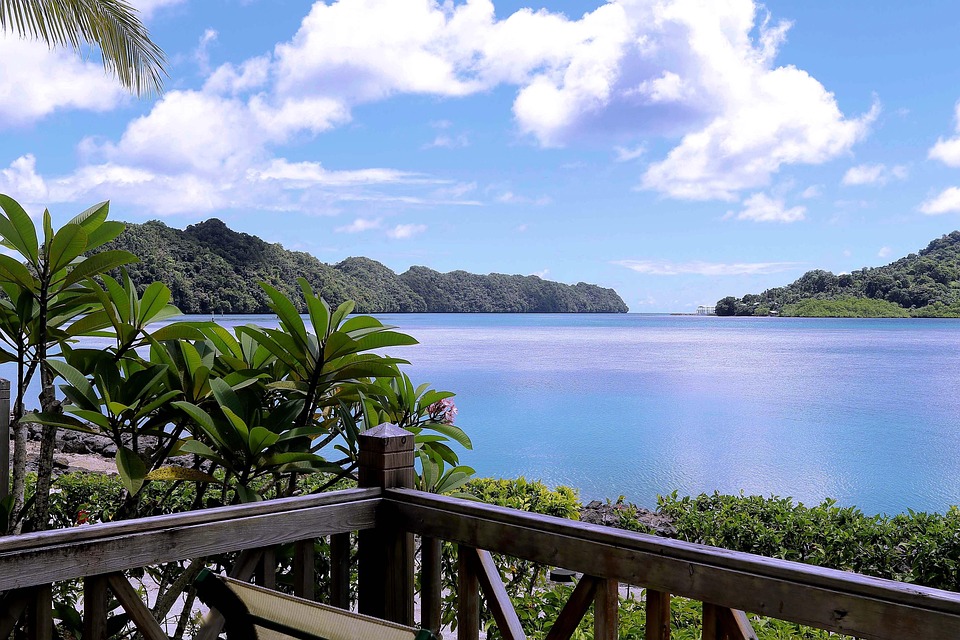
Nestled in the western Pacific Ocean like a hidden jewel waiting to be discovered, Palau is a nation where crystalline waters meet lush ancient landscapes and where cultural richness and natural beauty collide. While most travellers associate Palau with its emerald lagoons and vibrant underwater ecosystems, many are unaware that this Micronesian paradise offers so much more than just scuba diving or snorkelling. From its colourful traditions to its sumptuous cuisines and historical legacy, Palau invites you to explore beyond the blue.
This piece will guide you through everything you need to know about Palau’s culture, cuisine, and scenic treasures. Whether you’re planning your next holiday or simply looking to uncover Palau’s magic, let this complete guide immerse you in a world of wonder.
The Heartbeat of Palau: A Glimpse into Its Culture
A Rich Tapestry Woven in Tradition
Palau, known as Belau by its locals, boasts an eclectic cultural identity that reflects its history as a crossroads of different civilisations. With a population of just over 18,000 people, this small island nation has a deeply rooted heritage, passed from one generation to the next through oral traditions, art, and ceremonies.
The culture of Palau places high importance on matrilineal systems. In Palau’s traditional society, land and wealth are inherited through women, giving rise to a unique social structure where mothers and grandmothers hold essential roles within families. This practice creates a balance of power that is rare in many global societies.
Palauan Language and Hospitality
While English is widely spoken, the official languages are Palauan and English, with Palauan being the primary language for casual conversations and daily life. Visitors often find that locals are warm and inviting, exuding an air of hospitality that makes every traveller feel like part of the community.
In fact, Palauans have a saying: “Alii” (pronounced ah-lee-ee), which means “Welcome” or “Hello,” reflecting the kindness and warmth of the people.
Palauan Cuisine: A Feast for the Senses
What Makes Palauan Food Unique?
Palauan cuisine is a blend of local ingredients, age-old cooking techniques, and influences from Japan, the Philippines, and the United States due to its historical ties. For those with a penchant for gastronomic adventure, Palau offers a hearty mix of tropical flavours, fresh seafood, and exotic dishes.
Signature Dishes to Try
-
Ulukoy (Taro Dumplings)
Palauans grow an abundance of taro, and ulukoy is a testament to this. It’s a delightful dish where taro is mashed and fried into golden dumplings, often served as a snack or side dish. -
Tinola with Fish
This traditional soup made with fresh fish, ginger, and local herbs is a simple yet satisfying dish that encapsulates the freshness of Palauan cuisine. -
Bat Soup (For the Adventurous!)
While it might sound unusual to outsiders, fruit bat soup is considered a delicacy in Palau. Cooked with coconut milk and spices, it’s certainly a dish for the adventurous palate. -
Fresh Tuna Sashimi
Thanks to Palau’s abundant marine life, fresh, high-quality sashimi is readily available. The tuna melts in your mouth and is often paired with soy sauce or wasabi paste.
Tropical Fruits and Desserts
Palau’s tropical climate makes it a haven for fruit lovers. You’ll find juicy mangoes, ripe papayas, and sweet bananas growing across the islands. For dessert, locals often indulge in cassava cake, a dense, sweet treat made with cassava root, coconut cream, and sugar.
Scenic Treasures: Must-Visit Destinations in Palau
While its underwater world often steals the limelight, Palau’s land-based attractions are just as captivating. Let’s dive into its most stunning destinations.
1. Rock Islands Southern Lagoon (UNESCO World Heritage Site)
Imagine roughly 445 limestone islands, covered in lush vegetation, dotted across a turquoise sea so clear you can see coral reefs from above. This world-famous lagoon is a sanctuary for snorkelers, divers, and kayakers alike. The biodiversity here rivals even the most exotic jungles, offering an unforgettable marine experience.
2. Jellyfish Lake (Eil Malk Island)
Swimming with golden jellyfish? Yes, please! Jellyfish Lake is a marine lake that allows visitors to swim alongside millions of harmless jellyfish—a surreal experience that feels as magical as it sounds.
Quick Tip: To protect the ecosystem, practice eco-friendly tourism by following local guidelines.
3. Ngardmau Waterfall
Hike through lush jungles to be greeted by the majesty of Palau’s tallest waterfall, Ngardmau Waterfall. The trail is an adventure in itself, filled with flora, endangered species, and breathtaking views.
4. Badrulchau Stone Monoliths
History buffs will adore the enigmatic Badrulchau Monoliths. Scattered across the northern region of Babeldaob Island, these ancient basalt figures are believed to be over 1,000 years old, playing a mysterious role in Palauan mythology.
5. Peleliu Island
A sobering yet important site, Peleliu Island was a battleground during World War II. Today, visitors can explore remnants of bunkers, tanks, and an airstrip, offering insight into the hardships faced during the Pacific War.
6. Long Beach
If pristine, powder-white sand beaches are your idea of paradise, Long Beach is a must-visit. At low tide, a sandbar emerges, creating a picture-perfect destination surrounded by warm, shallow waters.
Off the Beaten Path: Hidden Gems of Palau
For those looking to stray off the tourist trail, Palau has plenty of lesser-known but equally mesmerising spots.
-
Iwayama Bay
Tiny, secluded coves perfect for a private escape. -
Milky Way Lagoon
Known for its “natural spa,” the lagoon is famous for its chalky white mud, believed to have skin rejuvenating properties. -
Ngeruktabel Island
A remote island offering camping opportunities under star-lit skies, far from civilisation.
Sustainable Travel in Palau
Palau takes sustainable tourism very seriously. In fact, the country introduced the Palau Pledge, a unique initiative requiring visitors to vow to protect Palau’s delicate environment. This commitment underscores the respect locals have for their land—and invites visitors to do the same.
Pro-Tips for Sustainable Travel:
- Use reef-safe sunscreen.
- Avoid single-use plastics.
- Follow all diving and snorkelling regulations to protect coral reefs.
FAQ Section
Below are concise answers to your most commonly asked questions:
1. What is Palau?
Palau is an archipelago located in the Pacific Ocean, renowned for its stunning lagoons, diving spots, and unique cultural heritage.
2. When is the best time to visit Palau?
The dry season, from November to April, is ideal for visiting Palau due to pleasant weather and calm seas.
3. What should I pack when travelling to Palau?
Light, breathable clothing, reef-safe sunscreen, water shoes, and a waterproof camera are essential for your Palauan adventure.
4. Are there options for non-divers?
Absolutely! Beyond diving, you can enjoy kayaking, hiking, cultural tours, and culinary adventures.
5. How do I get to Palau?
Flights to Palau land at the Roman Tmetuchl International Airport, located on Babeldaob Island, with routes connecting through major hubs like Guam and Manila.
Final Thoughts
Palau is more than an idyllic archipelago; it’s a living, breathing museum of culture, culinary wonders, and breathtaking natural beauty. It’s a destination for those who long to do more than just escape—but truly immerse themselves in something transformational.
So the next time you’re yearning for a once-in-a-lifetime experience, remember to keep Palau on your bucket list. And when you visit, step beyond the blue into a world of endless allure.
For travel packages and insider tips, visit Nihosi Travels & Tours.










Subscribe To Our Newsletter
Join our mailing list to receive the latest news and updates from our team.
You have Successfully Subscribed!