
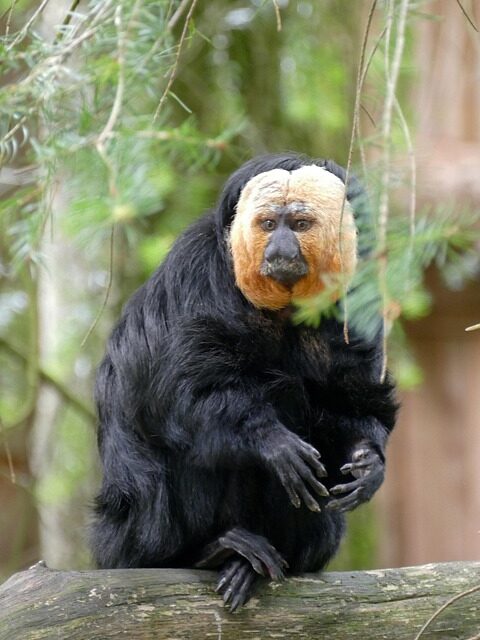
Welcome to Suriname, a lush gem nestled on South America’s northeastern coast—a destination where ancient rainforests, winding rivers, and a vibrant cultural tapestry converge to create an unforgettable adventure. Suriname might not sit atop every traveller’s radar, but this small yet enchanting nation continues to captivate those seeking an unspoiled paradise, diverse experiences, and a glimpse into a fascinating blend of African, Asian, Indigenous, and European cultures.
Whether you’re a nature lover, a culture enthusiast, or someone curious about discovering off-the-beaten-path destinations, Suriname has something magical to offer. Let’s dive into everything that makes Suriname a must-visit destination—and why its rivers, rainforests, and rich cultural heritage are waiting to enchant you.
Why Visit Suriname?
Suriname is a tapestry of diverse elements—a place where nature and culture seamlessly intertwine. Travellers are drawn to its untouched wilderness, notably the Amazonian rainforests. It’s also the only Dutch-speaking country in South America, adding a unique linguistic and cultural flair to the region.
From the capital city of Paramaribo, which boasts UNESCO World Heritage status, to the tranquil waters of Suriname’s rivers connecting remote villages, this is a destination that thrives on authenticity. If you’re wondering what makes this country extraordinary, here’s where Suriname truly shines:
- Breathtaking Rainforests: Over 90% of Suriname is covered in dense, biodiverse forests. It’s a true paradise for eco-tourism enthusiasts and bird watchers alike.
- Majestic Rivers: Suriname is crisscrossed by rivers like the Suriname River, Marowijne River (Maroni), and the Coppename River, offering opportunities for boat trips, kayaking, and serene exploration.
- Cultural Richness: The country is a melting pot of ethnicities, home to Afro-Surinamese, Indigenous peoples, Javanese, Hindustanis, Dutch settlers, and more. This diversity radiates through Suriname’s cuisine, architecture, festivals, and traditions.
Rivers of Suriname: Nature’s Lifelines
The rivers of Suriname are not just bodies of water; they are lifelines connecting communities, sustaining ecosystems, and offering endless opportunities for exploration. These waterways provide a fascinating blend of tranquility and adventure. Whether you want to cruise along calm stretches, challenge rapids during a white-water adventure, or immerse yourself in local riverine cultures, Suriname’s rivers are ready to welcome you.
### 1. The Suriname River
The Suriname River is arguably the most iconic waterway in the country. Spanning approximately 480 kilometres, it flows from the Wilhelmina Mountains through Paramaribo before merging with the Atlantic Ocean.
-
Activities to Try:
Opt for a boat safari across the Suriname River to spot pink river dolphins (known locally as profosu). Exploring the river at sunrise or sunset offers dreamlike views of the lush rainforest along its banks. -
Cultural Stops Along the Riverbanks:
Visit tranquil river villages like Nieuw Amsterdam or Fort Zeelandia to learn more about the country’s colonial history.
2. The Coppename River
The Coppename River flows through one of Suriname’s most pristine rainforests, offering access to awe-inspiring nature reserves like the Central Suriname Nature Reserve. This UNESCO World Heritage Site is home to jaguars, giant otters, and the elusive harpy eagle.
- Must-Do Activities:
A multi-day canoeing adventure down the Coppename is perfect for eco-travellers. Trekking and camping expeditions often begin along the river’s edge, providing access to untouched wildlife trails.
3. Marowijne River (Maroni)
The Marowijne, which forms Suriname’s eastern border with French Guiana, holds immense cultural significance. Along its shores, you’ll find rustic Maroon and Indigenous villages, where you can observe traditional lifestyles and crafts.
- Unique Highlights:
Experience village homestays where locals offer insight into their centuries-old customs. Along the river, you’ll also find some of Suriname’s best gold-panning opportunities!
Exploring Suriname’s Lush Rainforests
A trip to Suriname isn’t complete without venturing into its breathtaking Amazonian rainforests. Suriname is known for housing some of the most unspoiled stretches of tropical wilderness, teeming with rare flora, fauna, and awe-inspiring landscapes.
1. The Central Suriname Nature Reserve
One of the jewels of Suriname’s conservation efforts is the Central Suriname Nature Reserve. Covering 1.6 million hectares, this reserve is a mecca of biodiversity and the ideal destination for trekking enthusiasts.
-
Key Landmarks:
Marvel at the towering 200-metre granite dome known as the Voltzberg. Don’t miss a chance to explore Raleighvallen (Raleigh Falls), a series of waterfalls teeming with wildlife like monkeys, tree frogs, and sloths. -
Adventure Tips:
Bring binoculars—this reserve is a haven for birdwatchers. It’s home to the Guianan Cock-of-the-Rock and other rare species.
2. The Brownsberg Nature Park
Located just a few hours from Paramaribo, Brownsberg offers stunning views of dense rainforests, waterfalls, and scenic trails.
- What You’ll Experience:
Climb to the summit of Brownsberg for breathtaking panoramas of the surrounding jungle. The trails also lead to two refreshing waterfalls, Irene and Leo Falls, ideal for cooling off after a hike.
Suriname’s Rich Cultural Heritage
Beyond its natural wonders, Suriname boasts a fascinating cultural heritage that reflects its global influences. From colonial landmarks to traditional Maroon villages, the country offers a wealth of cultural experiences.
### 1. Paramaribo: The Heart of Suriname
Suriname’s capital, Paramaribo, is a delightful merger of history, culture, and cosmopolitanism. A UNESCO World Heritage Site, the city is known for its colonial Dutch architecture and lively atmosphere.
-
Must-See Attractions:
- Saints Peter & Paul Cathedral: The largest wooden structure in the Western Hemisphere, this striking cathedral combines Gothic and Caribbean flavours.
- Fort Zeelandia: This historical site provides insight into Suriname’s colonial past and is home to the Suriname Museum.
-
Cultural Buzz:
Don’t miss Sunday markets or waterfront gatherings along the Waterkant, where locals enjoy Surinamese snacks like bakabana (fried banana) and sate (skewered meats).
2. The Maroon Communities
To truly experience Suriname’s diverse cultural tapestry, venture into villages established by Maroons—descendants of escaped enslaved Africans who built independent communities in Suriname’s interior.
- Cultural Immersion:
Visit villages like Galibi or Kwamalasamutu, where you can engage in traditional song, dance, and storytelling ceremonies passed down through generations.
3. A Fusion of Flavours: Surinamese Cuisine
Food in Suriname mirrors its ethnic diversity—each dish tells a story of African, Asian, Indigenous, and European influences.
- Top Dishes to Try:
- Roti with Curry: A Javanese-Hindustani dish served with spiced meats and vegetables.
- Pom: A creamy casserole made from grated pomtajer roots and oranges, this Afro-Surinamese dish is a must-have.
- Saoto Soup: An Indonesian-inspired chicken soup with a delicious medley of spices.
Tips for Travelling to Suriname
-
Best Time to Visit:
Suriname has tropical weather, but the dry season (February to April and August to November) is perfect for exploring its rainforests and rivers. -
Entry Information:
Ensure your passport has enough validity, and check entry requirements such as visas. Many nationalities can get a Suriname E-visa online for fast access. -
Travel with Locals:
To make the most of your experience, hire local guides or book through trusted agencies like Nihosi Travels & Tours, who offer immersive exploration packages.
FAQs: Everything You Need to Know About Suriname
1. Is Suriname safe for tourists?
Yes, Suriname is considered safe. However, like any destination, it’s best to remain vigilant in urban areas and follow guidance for trekking in remote regions.
2. What languages are spoken in Suriname?
While Dutch is the official language, many people also speak Sranan Tongo (a Creole language), as well as English and regional Indigenous languages.
Final Thoughts
Suriname is a destination that lets you escape the ordinary. Its untouched nature, awe-inspiring biodiversity, and uniquely blended cultures create a holiday experience like none other. Imagine cruising along serene rivers, hiking through verdant rainforests, and immersing yourself in the heart of an unparalleled cultural legacy. Whether you’re seeking a soul-refreshing getaway or an intrepid exploration, Suriname is ready to captivate you.
Let the rivers guide you, the rainforests embrace you, and the people welcome you with open hearts. Suriname isn’t just a place you visit—it’s a treasure you experience. So, pack your bags and let the adventure begin.









Subscribe To Our Newsletter
Join our mailing list to receive the latest news and updates from our team.
You have Successfully Subscribed!