
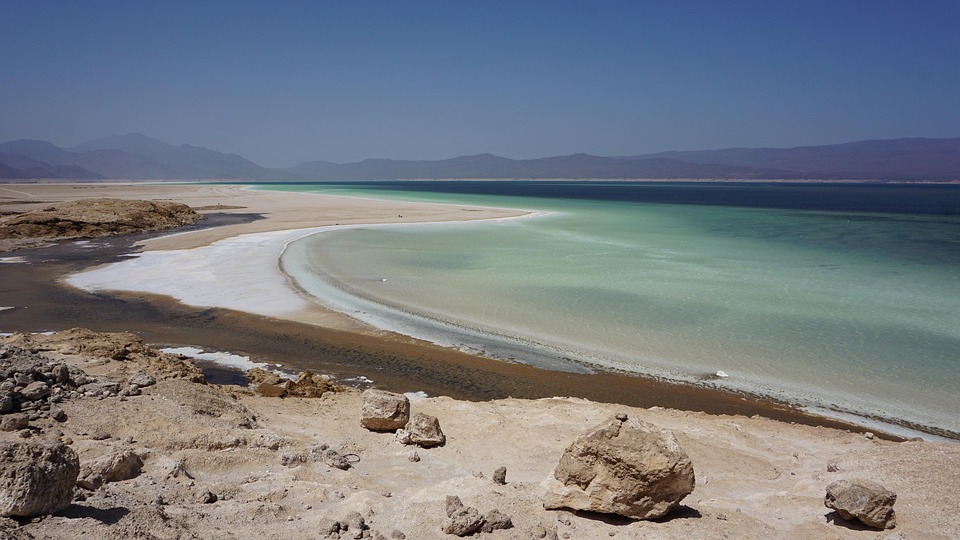
Have you ever dreamed of exploring a destination that’s a hidden gem in the heart of East Africa, where adventure meets tranquillity, and culture blends seamlessly with natural wonders? Djibouti, a small yet captivating country on the Horn of Africa, might just be the perfect spot for your next adventure. With its dramatic landscapes, sparkling waters, and vibrant cultural tapestry, Djibouti offers a once-in-a-lifetime experience just waiting for travellers like you.
In this comprehensive guide, you’ll discover everything you need to plan your dream getaway to Djibouti. From top destinations and must-visit attractions to expert tips for smooth travel, we’ve got you covered. Whether you’re after breathtaking landscapes, diverse marine life, or cultural immersion, this pocket-sized paradise promises to deliver on all fronts.
Why Choose Djibouti for Your Next Trip?
Djibouti is much more than its diminutive size suggests. The country is a land of extremes—towering geological formations meet vast salt lakes, and coral reefs teem with marine life. Often overlooked by mainstream tourism, Djibouti offers intrepid travellers an off-the-beaten-path adventure that’s worlds away from busy urban hubs.
Here are a few reasons to visit Djibouti:
- Diverse Natural Beauty: From the otherworldly formations around Lake Abbe to the crystal-clear waters of the Gulf of Tadjoura, Djibouti is a gift to nature enthusiasts.
- Stellar Diving and Snorkelling: Djibouti’s coast is a haven for underwater explorers. Swim alongside whale sharks, explore vibrant coral reefs, and discover abundant sea creatures.
- Rich Culture and History: Djibouti’s culture is a unique blend of African, Middle Eastern, and colonial French influences, evident in its food, music, and architecture.
Let’s dive deeper into Djibouti’s top destinations and activities for an unforgettable trip.
Top Destinations in Djibouti
1. The Magical Lake Assal
Located about 120 km west of Djibouti City, Lake Assal is the third-lowest point on Earth and one of the saltiest lakes globally. This impressive site is often referred to as a “natural wonder,” and for good reason. The turquoise water, surrounded by stark white salt deposits and volcanic features, makes for a surreal landscape.
- Pro Tip: The sun can be intense here, so pack sunscreen, a hat, and plenty of water. Try visiting at sunrise or sunset for a more comfortable temperature and stunning views.
2. Lake Abbe: A Mars-Like Wonderland
If Djibouti has a “most alien” landscape, it’s undoubtedly Lake Abbe. Known for its dramatic limestone chimneys emitting steam, this semi-salty lake that borders Ethiopia feels like stepping onto another planet. The eerie beauty of this place makes it a favourite among photographers and adventurers alike.
- Don’t Miss: Consider staying overnight in a local Afar camp to enjoy ethereal sunsets and stargazing in one of the darkest skies imaginable.
3. Gulf of Tadjoura
A traveller’s paradise, the Gulf of Tadjoura is renowned for its rich marine biodiversity and scenic coastal views. The gulf offers world-class diving and snorkelling opportunities. From brightly coloured corals to pods of dolphins and seasonal whale sharks, it’s impossible not to be mesmerised by life beneath the waves.
- Pro Tip: Early winter months (November–January) are the best time to swim with whale sharks, but book your tour in advance as spots fill up quickly.
4. Day Forest National Park
If you’re looking to escape Djibouti’s heat, head to Day Forest National Park. Set in the Goda Mountains, this is the prime location for hiking and spotting rare wildlife species—like the endangered Djibouti francolin bird.
- What to Pack: Bring sturdy walking shoes, binoculars for birdwatching, and a picnic to enjoy among the lush greenery.
5. Djibouti City
The country’s capital is a melting pot of culture and cuisine, with bustling markets, lively streets, and colonial-era architecture. Don’t miss a walk along Place Menelik, where you can sample local delicacies like samak masgouf (grilled fish) or Somali-style sambusas.
- Pro Tip: Make time for a visit to the Central Market for handcrafted souvenirs, including woven baskets and aromatic spices.
Pro Tips for Your Djibouti Adventure
To ensure you make the most of your trip, we’ve compiled some insider tips for navigating Djibouti’s unique challenges and opportunities.
1. Best Time to Visit Djibouti
Djibouti has a desert climate, meaning temperatures can soar during the summer months. The ideal time to visit is between October and March, when the weather is cooler and more pleasant.
2. Entry Requirements and Travel Documents
All visitors to Djibouti typically require a visa. Some nationalities can apply for an eVisa online or obtain a visa-on-arrival. Ensure your passport is valid for at least six months from your planned entry date.
3. Getting Around
Djibouti’s limited public transport options make hiring a 4×4 vehicle the easiest way to explore tourist regions. Alternatively, guided tours can provide stress-free travel to remote locations.
- Pro Tip: Use local guides (like those offered by Nihosi Travels & Tours) for an enriching experience as they share insider knowledge about culture and landmarks.
4. Currency and Tipping Practices
The Djiboutian Franc (DJF) is the local currency, though the US Dollar is often accepted. Tipping isn’t mandatory in Djibouti, but it is appreciated, especially in restaurants or for guides and drivers.
What to Pack for Your Trip
Packing for Djibouti requires some foresight due to the extreme weather conditions and remote areas. Here’s a quick list to ensure you’re prepared:
- Clothing: Light, breathable fabrics for daywear and a light jacket for cool nights in the mountains.
- Footwear: Sturdy hiking boots for trekking and sandals for beach or city exploration.
- Swim Gear: A snorkel and fins if you plan on marine adventures.
- Accessories: Sunscreen, a reusable water bottle, and power adapters for electronics (European-style plugs work here).
Answering Your FAQs
1. Is Djibouti safe for tourists?
Yes, Djibouti is generally safe for tourists, but exercise the usual caution, especially in remote areas or crowded markets.
2. How do I get to Djibouti?
Djibouti-Ambouli International Airport (JIB) is easily accessible via flights from regional hubs such as Addis Ababa or Dubai.
3. What makes Djibouti special?
Djibouti’s unmatched combination of geological phenomena, marine life, and cultural richness sets it apart as a unique travel destination.
4. Are there eco-tourism options?
Yes! Many tour operators, including Nihosi Travels & Tours, focus on environmentally friendly excursions.
Final Thoughts: Get Ready for Your Dream Djibouti Getaway
Djibouti may be one of the smallest countries in Africa, but it’s packed with larger-than-life experiences. Its mix of awe-inspiring landscapes, underwater adventures, and cultural treasures is bound to leave you in awe. By following this guide and planning wisely, you can turn your dream getaway into a flawless reality.
So what are you waiting for? Djibouti, with its natural wonders and enriching experiences, awaits your arrival. To plan your personalised itinerary and enjoy expert guidance, visit Nihosi Travels & Tours at www.nihositravels.com. Start your journey today—Djibouti is calling!








Subscribe To Our Newsletter
Join our mailing list to receive the latest news and updates from our team.
You have Successfully Subscribed!