
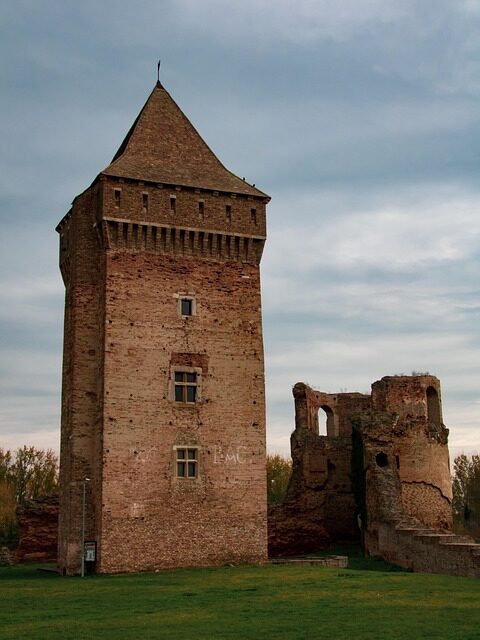
Nestled in the heart of the Balkans, Serbia is a treasure trove of unspoiled landscapes, vibrant cities, and rich cultural heritage that beckons wanderers from far and wide. While it may not share the limelight with some of its European neighbours, Serbia offers an authentic and exhilarating travel experience for those ready to step off the beaten path. From its bustling capital of Belgrade to the serene banks of the Danube and its many lush national parks, there’s something magical about this often-overlooked destination. Whether you’re planning your first trip or returning for more, this guide will provide you with fascinating facts and insider tips for making the most of your Serbian adventure.
Why Serbia Should Be on Your Travel Radar
If you’ve never heard of Serbia as a must-visit destination, you’re in for a surprise. From awe-inspiring natural wonders to rich culinary traditions, Serbia is becoming a rising star in the world of travel. Here’s why:
-
A Diverse Landscape:
Serbia is a playground for nature enthusiasts. With the winding Danube River, spectacular mountains like Kopaonik, and the pristine Tara National Park, the country offers scenery that captivates every type of traveller. -
A Rich Cultural Tapestry:
With over 17 centuries of history, Serbia boasts impressive archaeological sites, Orthodox monasteries, and vibrant folk traditions. Its mélange of Ottoman, Roman, and Austro-Hungarian influences can still be seen today in its architecture and local customs. -
Affordable Travel Destination:
Serbia remains one of Europe’s most affordable countries to visit. Tasty meals, comfortable accommodations, and exciting experiences come at a fraction of the cost compared to Western Europe. -
Warm Hospitality:
One of Serbia’s biggest charms is its people. The locals are known for their warmth and friendliness, always eager to share stories over rakija (a traditional fruit brandy).
Getting There: Best Time to Visit Serbia
Best Time to Visit
Serbia’s temperate climate makes it a year-round destination, but the ideal time depends on what you’re looking to do:
- Spring (April-June): Mild temperatures and blooming landscapes make spring perfect for sightseeing and exploring Serbia’s outdoor attractions.
- Summer (July-August): Ideal for music festivals, river cruising along the Danube, and visiting lakes like Uvac, which offers a scenic backdrop for kayaking or hiking.
- Autumn (September-November): Stunning foliage, cooler days, and fewer crowds make autumn a dream for hikers and those keen on exploring Serbia’s vineyards.
- Winter (December-March): Ski resorts like Kopaonik and Zlatibor offer scenic pistes, and the festive cheer creates a magical winter escape.
How to Get There
Serbia is accessible by air, road, and rail. For international travellers, Belgrade Nikola Tesla Airport is the country’s primary hub, servicing flights from major European cities. Affordable bus and train routes also connect Serbia with neighbouring countries like Hungary, Croatia, and Bulgaria.
Top Destinations to Visit in Serbia
From buzzing cities to serene countryside escapes, Serbia offers a host of destinations to explore:
1. Belgrade – The White City
Serbia’s capital is a dynamic metropolis where history and modernity converge. Explore the Kalemegdan Fortress, stroll through Knez Mihailova Street, and dance the night away at one of the city’s famous floating clubs on the Danube River.
Insider Tip: Wander into the Skadarlija District, a bohemian quarter filled with cobbled streets, traditional kafanas (bistros), and live music—a true peek into Old Belgrade life.
2. Novi Sad – The Jewel of the North
Known as the cultural capital of Serbia, Novi Sad is home to the Petrovaradin Fortress and hosts the world-renowned EXIT Music Festival every summer.
Insider Tip: Take a ferry across the Danube to explore the Sremski Karlovci wine region, famed for its sweet dessert wine, Bermet.
3. Tara National Park – Serbia’s Emerald Gem
For nature lovers, Tara National Park is a dream destination. It’s blessed with emerald forests, rugged cliffs, and picturesque views of the Drina River Canyon.
Insider Tip: Don’t miss the infamous House on the Drina, a tiny wooden cabin precariously perched on a rock in the middle of the river.
4. Niš – A Window to Ancient History
One of Europe’s oldest cities, Niš boasts fascinating historical landmarks such as the Niš Fortress, Constantine the Great’s birthplace, and Skull Tower, a chilling yet poignant legacy of Serbia’s struggles for independence.
Insider Tip: Niš is culinary heaven, especially for meat lovers. Try the ćevapi or pljeskavica in a traditional kafana.
5. Subotica – Serbia’s Art Nouveau Wonderland
Bordering Hungary, Subotica is a captivating city known for its stunning Art Nouveau architecture and rich multicultural heritage.
Insider Tip: Visit nearby Palic Lake for a peaceful escape and indulge in traditional pastries at a local patisserie.
Cultural Insights and Travel Tips
-
Learn a Few Serbian Words:
While many Serbs speak some English, learning words like “Hvala” (thank you) and “Dobar dan” (good day) can go a long way in warming hearts. -
Embrace Rakija:
Rakija is more than just a drink in Serbia—it’s a cultural experience. Accepting a shot of rakija is seen as a gesture of friendship. -
Respect Traditions:
Serbia is deeply rooted in traditions, especially when it comes to its Orthodox Christian faith. Be mindful when visiting monasteries; dress modestly and behave respectfully. -
Plan for Cash Payments:
While credit cards are accepted in cities, many rural areas rely on cash. The currency is the Serbian dinar (RSD). -
Use Public Transport:
Serbia has an efficient and affordable public transport system. Buses and trains are great options for getting around the country.
Serbian Cuisine: What to Eat and Drink
Must-Try Dishes
- Ćevapi: Grilled minced meat served with pita-like bread and onions.
- Sarma: Cabbage leaves stuffed with minced meat and rice.
- Kajmak: A creamy dairy spread, perfect for bread or grilled meats.
- Prebranac: A hearty slow-cooked bean dish, ideal for vegetarians.
Traditional Drinks
- Rakija: Serbia’s national drink, made from fermented fruits. Plum rakija (Šljivovica) is particularly popular.
- Wine: Serbia has several underrated wine regions, with Prokupac and Vranac varieties stealing the show.
Insider Tips on Budget Travel in Serbia
- Affordable Accommodation: Opt for local homestays or hostels for an authentic experience. Airbnb options in cities like Belgrade and Novi Sad are also quite budget-friendly.
- Local Street Food: Head to bakeries for a burek (savoury pastry) or try local street vendors for hearty portions at low prices.
- Free Walking Tours: Many cities, including Belgrade, offer free (tip-based) walking tours that are both informative and engaging.
- Public Parks: Serbia boasts exhilarating outdoor attractions that are often free to visit. Parks like Karađorđev Park in Belgrade are a great retreat.
FAQs About Travelling to Serbia
1. Is Serbia safe for tourists?
Yes! Serbia is one of the safest travel destinations in Europe. As always, exercise basic caution, particularly in crowded areas.
2. What currency does Serbia use?
Serbia uses the Serbian dinar (RSD). ATMs are widely available in cities and towns.
3. Do I need a visa to visit Serbia?
Citizens of the EU, US, UK, and several other countries can enter Serbia visa-free for up to 90 days. Check your country’s specific travel requirements prior to visiting.
4. What are the top things to do in Belgrade?
Explore the Belgrade Fortress, stroll along the riverbanks of Ada Ciganlija, and immerse yourself in the buzzing nightlife of Zemun or Savamala.
For a more customised Serbian adventure, consider booking your trip through Nihosi Travels & Tours, where bespoke travel itineraries await. Whether it’s cultural escapades or outdoor thrills, Serbia is ready to enchant you with its unwavering charm.










Subscribe To Our Newsletter
Join our mailing list to receive the latest news and updates from our team.
You have Successfully Subscribed!