
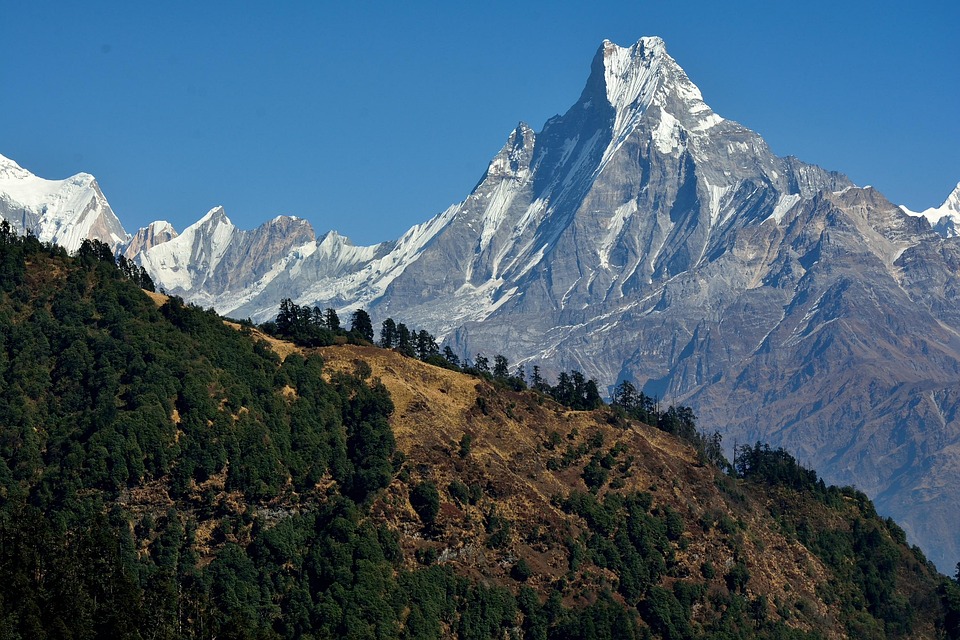
When you think of Nepal, the towering presence of Mount Everest often takes centre stage. Its snow-capped peaks, majestic allure, and status as the world’s highest mountain have drawn adventurers and dreamers for decades. But Nepal offers much more than Everest. Beneath the shadow of this famous summit lies a treasure trove of untouched trails, serene landscapes, and hidden gems that redefine outdoor adventure.
If you’re an explorer seeking an off-the-beaten-path experience, Nepal’s lesser-known trails, mystical landscapes, and welcoming culture await your discovery. From lush valleys to serene alpine meadows, let’s chart a path through Nepal’s rich, yet often overlooked, natural offerings.
Why Look Beyond Everest?
Nepal’s iconic Everest Base Camp Trek is a bucket-list experience for many, but it’s far from the country’s only adventure. Touring beyond Everest unveils a side of Nepal that is quieter, rawer, and arguably richer in cultural connection.
Choosing Nepal’s lesser-known trails offers distinct advantages. For one, you’ll experience fewer crowds, increasing your engagement with nature and local communities. Additionally, these alternative routes come with distinct, breathtaking views and unfiltered glimpses into the everyday lives of mountain dwellers. So, why only aim for Everest when Nepal’s hidden gems await exploration?
Let’s dive into the magical trails, landscapes, and cultural immersion found in these less-travelled paths across Nepal.
1. Langtang Valley: The Valley of Glaciers
When it comes to beauty, the Langtang Valley punches well above its weight. Known as the “Valley of Glaciers,” this region brings together towering peaks, pristine glaciers, and expansive meadows dotted with vibrant wildflowers. And the best part? It’s just a day’s drive from Kathmandu, yet relatively untouched by mass tourism.
This tranquil trail is ideal for trekkers looking for accessibility combined with unmatched serenity. As you journey through Langtang, you’ll traverse thriving rhododendron forests, glide past gushing rivers, and marvel at the snowy Langtang Lirung peak.
But Langtang is more than just scenic wonders. The region is home to Tamang communities who offer trekkers a chance to experience their distinctive culture. Whether it’s sharing a warm cup of yak butter tea or witnessing traditional dances, Langtang is as much about human connection as it is about nature.
2. Mustang: The Last Forbidden Kingdom
Picture desolate desert landscapes, dramatic red cliffs, and ancient Tibetan culture untouched by time. Welcome to Mustang, a region nicknamed “The Last Forbidden Kingdom.” Tucked away in Nepal’s north-central corner, Mustang’s geography is a stark contrast to Nepal’s green forests and snowy peaks. Instead, it resembles Tibet’s arid high-altitude plateaus.
Upper Mustang was closed to outsiders until 1992, which has allowed it to retain its unique culture and way of life. Trekkers here will encounter age-old monasteries, intricate cave dwellings, and fluttering prayer flags guiding the way.
One notable highlight is the walled city of Lo Manthang, which served as Mustang’s ancient capital. Despite its remote location, Lo Manthang boasts an architectural sophistication that stands testimony to the kingdom’s rich history. Walking its cobblestoned streets, you’ll feel as though you’ve stepped into a living museum.
3. Manaslu Circuit: A Hidden Jewel
If you’re seeking solitude, raw beauty, and a challenging adventure, the Manaslu Circuit is for you. Circling Mount Manaslu — the eighth highest peak in the world — this trek offers everything from verdant foothills to icy peaks and cozy teahouses.
Although sometimes compared to the Annapurna Circuit, the Manaslu Circuit remains delightfully uncrowded. Trekkers here often report feeling a sense of exclusivity as they navigate through iconic mountain passes like Larkya La, standing at a dizzying 5,135 metres.
This trail is not just about physical achievement. Along the route, you’ll encounter warm Gurung settlements and ancient Buddhist monasteries, offering a holistic Nepal experience not dominated by commercial tourism.
4. Panch Pokhari: The Five Sacred Lakes
For trekkers interested in spirituality and serenity, Panch Pokhari is a hidden paradise waiting to be uncovered. Located in the Sindhupalchowk District, Panch Pokhari (which means “Five Lakes”) is a sacred pilgrimage site for Hindus and Buddhists that remains largely untouched by mainstream tourism.
The trek to Panch Pokhari offers a tapestry of experiences: stunning Himalayan views (including Langtang, Jugal Himal, and Dorje Lakpa), dense forests, alpine meadows, and, of course, the five pristine lakes that give the region its name.
If you plan your visit around the Janai Purnima festival, you’ll witness hundreds of pilgrims making their way to these holy waters. But for the rest of the year, the region remains tranquil, perfect for those who seek solitude and connection with the divine essence of nature.
5. Kanchenjunga Base Camp: The East’s Treasure
Far in eastern Nepal, on the border with India, lies Kanchenjunga — the third highest mountain in the world. The trek to Kanchenjunga Base Camp is one for adventurers who want to truly leave the crowds behind.
Unlike Everest and Annapurna, trekking routes around Kanchenjunga remain lightly trodden, meaning you’re more likely to cross paths with grazing yaks than other trekkers. The landscapes here are rich and varied, from subtropical jungles to icy alpine terrains.
Kanchenjunga is also known for its biodiversity. The Kanchenjunga Conservation Area is home to numerous rare species, including red pandas, snow leopards, and Himalayan black bears. For nature lovers, this trek is a once-in-a-lifetime opportunity to experience wildlife and adventure in perfect harmony.
Practical Tips for Exploring Nepal’s Hidden Trails
To make the most of your alternative trekking experience in Nepal, keep these essential tips in mind:
-
Choose the Right Season
The best trekking months are spring (March through May) and autumn (October through November). These months provide stable weather, clear skies, and comfortable temperatures. -
Hire a Guide or Porter
While some trails can be explored independently, hiring a local guide significantly enhances the experience. Guides bring cultural insights, ensure safety, and often help with navigation on lesser-marked trails. -
Respect the Local Culture
Nepal’s trails pass through remote villages where local customs and traditions hold strong. Dress modestly, ask permission before taking photos, and engage with villagers respectfully. -
Pack Smart
Prepare for weather variability by packing layers, rain gear, and essential trekking supplies. Don’t forget to bring reusable water bottles and purification tablets to minimise your environmental impact. -
Stay Sustainable
Travel responsibly by leaving no trace. Stick to marked trails, avoid single-use plastics, and support local accommodation and businesses to empower Nepal’s rural communities.
FAQ: Exploring Nepal’s Hidden Trails
json
Final Thoughts
Nepal isn’t just a destination — it’s a living, breathing experience with surprises hidden at every turn. While Mount Everest will forever maintain its iconic status, the trails and mystical landscapes beyond its reach might just be Nepal’s best-kept secrets.
Whether it’s the vibrant culture of Mustang, the spiritual waters of Panch Pokhari, or the biodiversity of Kanchenjunga, Nepal’s lesser-known treasures cater to every kind of adventurer.
For those ready to explore beyond the crowds, Nihosi Travels & Tours (www.nihositravels.com) offers bespoke trekking packages to uncover Nepal’s hidden wonders. Your next adventure — rich in culture, nature, and tranquillity — awaits!
Images of Nepal’s untouched landscapes can transform this article into a guidebook-like experience. Optimise your visuals for SEO, and let readers immerse themselves in Nepal’s breathtaking beauty.








Subscribe To Our Newsletter
Join our mailing list to receive the latest news and updates from our team.
You have Successfully Subscribed!