
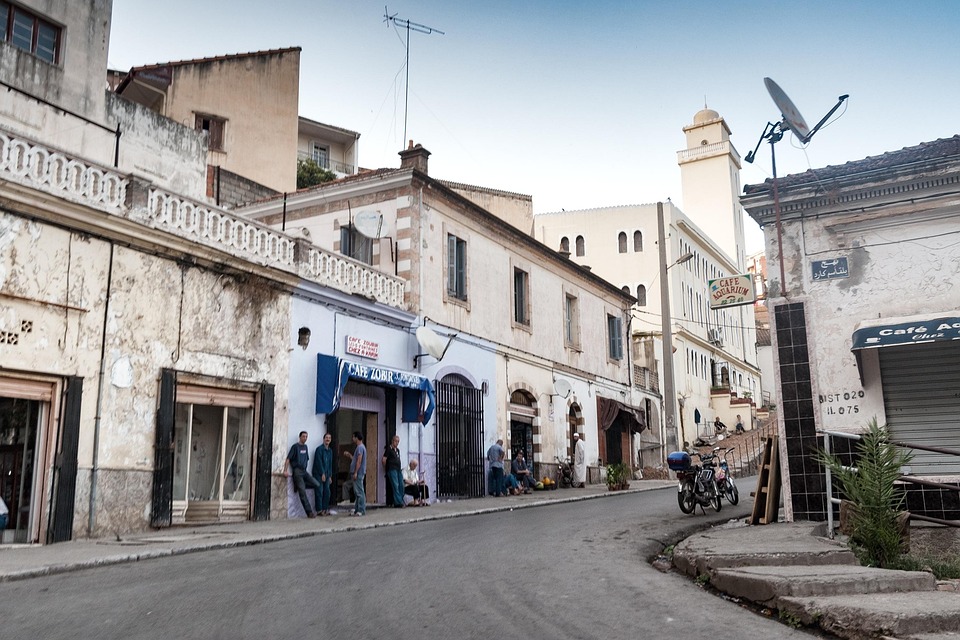
Algeria, the largest country in Africa, remains one of the most overlooked gems for travellers seeking an authentic blend of history, nature, and culture. From its sprawling Saharan dunes to the Mediterranean coastline and ancient Roman ruins, this North African nation offers an experience both rich and undeniably unique. Whether you’re an adventurous nomad, a history enthusiast, or a culture buff, Algeria checks all the boxes for a truly enthralling journey.
Why travel to Algeria? It’s a question that travellers rarely ask, and the answer is tantalizingly simple: Algeria is where ancient civilisations meet breathtaking natural landscapes, and its unique culture blends elements of Arabic, Berber, and French influences. Let’s dive deep into what makes Algeria so extraordinary, and how you can plan your trip for a lifetime of memories.
In this comprehensive guide, we’ll explore Algeria in detail, covering its historical wonders, natural marvels, and cultural treasures. So pull out your map, take some notes, and get ready to wander through the heart of Algeria.
1. Unveiling Algeria’s Rich History
A Walk Through Time: Ancient Civilisations
Algeria’s history stretches back thousands of years, home to some of the greatest ancient civilisations, including the Berbers, Phoenicians, Romans, and later, Islamic dynasties. One of Algeria’s greatest draws lies in its magnificently preserved historical sites.
Roman Ruins in Timgad: A UNESCO World Heritage Site
Ever wondered what a perfectly preserved Roman city looks like? Timgad, often called the “Pompeii of Africa,” is an unparalleled archaeological site. Founded by Emperor Trajan in AD 100, Timgad’s layout is a masterpiece of Roman city planning, complete with colonnaded streets, triumphal arches, baths, and an amphitheatre. A stroll through these ruins effortlessly evokes a sense of how Roman Algeria once thrived.
Tipasa: Traces of Berber and Roman Civilisation
Tipasa sits near the Mediterranean coastline, offering a remarkable blend of Roman ruins and stunning seaside views. Declared a UNESCO World Heritage Site, this town was once a centre of Phoenician trade before being developed by the Romans. Visitors can see temples, amphitheatres, and Christian basilicas—all within walking distance of azure waters.
Looking for historical depth in Algeria? Don’t miss the Kasbah of Algiers, a labyrinthine quarter in the capital city that showcases the Islamic art, Ottoman influence, and resilience of local architecture.
2. Algeria’s Natural Wonders Await
The Sahara Desert: A Canvas of Endless Dunes
The Sahara in Algeria is not just a stretch of sand—it is awe-inspiring, adventurous, and incredibly mysterious.
The Dunes of Taghit
Often considered one of the most beautiful corners of the Sahara, Taghit boasts golden dunes and palm-lined oases. Imagine climbing the towering dunes just in time to catch the sunset painting the entire landscape in orange and gold hues. If you’re fortunate, you may even stumble upon prehistoric rock carvings etched into the cliff faces nearby.
Hoggar Mountains & Assekrem
For travellers seeking solitude and sweeping panoramic views, the Hoggar Mountains in southern Algeria are a must-see. The crown jewel of this region is Assekrem, famously regarded as the place where French priest Charles de Foucauld once meditated. The rugged cliffs, dramatic sunrises, and sacred atmosphere here are likely to leave even the most seasoned travellers speechless.
The National Parks: Djurdjura and Tassili n’Ajjer
Algeria is not all sand! The Djurdjura National Park in the Kabylie region offers dense forests and snow-capped peaks, ideal for hiking and photography. Meanwhile, the Tassili n’Ajjer National Park, another UNESCO site, features striking sandstone sculptures and prehistoric cave paintings that date back over 10,000 years. These parks are proof of Algeria’s vast and diverse geography.
3. Dive Into Algeria’s Rich Cultural Heritage
Berber Traditions and Hospitality
The Berbers, or Amazighs, are Algeria’s indigenous people, and their influence on the country’s cultural heritage is immense. From artisanal crafts to their distinct language (Tamazight), the Berbers maintain a vibrant presence in Algeria.
Explore Kabylie Villages
Heading to the northern region of Kabylie will immerse you in pristine Berber villages nestled in lush terrain. Variance in climate contributes to the agricultural practices here, and local markets are filled with handcrafted pottery, traditional jewellery, and intricate textiles.
Arabic and French Influence
As a former French colony, Algeria’s urban centres reflect a fascinating cultural duality.
Algiers: Where Old Meets New
The bustling capital, Algiers (locally known as El-Djazair), is a fascinating mix of modern skyscrapers and old-world charm. Wander through the Casbah, a UNESCO Heritage site, and marvel at the Ottoman palaces with intricate tiled designs. Then, step into the more contemporary district to witness Algeria’s adaptation to modernity, with lively cafés where French and Arabic comfortably overlap in daily conversations.
4. Savour the Culinary Delights of Algeria
Food lovers rejoice! Algeria’s cuisine reflects its diverse heritage, where Berber, Arabic, and French influences converge to create something truly special.
A Taste of Algeria
- Couscous: Often considered the national dish, couscous is served with a hearty mix of vegetables, lamb, or chicken.
- Chorba: This is a rich, tomato-based soup flavoured with aromatic spices—a staple during Ramadan.
- Makrout: A famous North African confection, makrout consists of semolina dough filled with dates and drenched in honey.
For caffeine aficionados, Algeria’s strong Arab-style coffee and traditional mint tea serve as an indispensable part of its culinary identity.
5. Practical Tips for Visiting Algeria
Planning a trip to Algeria requires preparation, as it’s not yet a typical tourist destination. However, this off-the-beaten-path experience makes it worth every effort.
- Visa Requirements: Most visitors will need a visa to enter Algeria, so ensure you check the requirements in advance.
- Best Time to Visit: Spring (March–May) and autumn (September–November) offer mild temperatures, making them ideal for exploring both the cities and the desert.
- Language Tips: French and Arabic are widely spoken. Knowing basic French phrases will enhance your communication with locals.
- Safety: Algeria is generally safe for tourists, but it’s always wise to stay updated on travel advisories and stick to well-travelled routes.
6. Nihosi Travels: Your Trusted Guide to Algeria
Exploring Algeria through local expertise is the best decision you can make, and this is where Nihosi Travels steps in. For seasoned guidance through Algeria’s top destinations—be it the historical ruins of Timgad, the sand dunes of Taghit, or the vibrant streets of Algiers—Nihosi Travels offers tailored experiences. Discover the heart of Africa’s largest country with professionals who understand its every nuance.
FAQs About Travelling to Algeria
Here’s a quick FAQ section to help answer common questions about visiting Algeria.
1. Is Algeria Safe for Tourists in 2025?
Yes, Algeria is generally safe. Stick to organised tours or well-known areas, especially if venturing into the Sahara.
2. What Are the Must-Visit Sites in Algeria?
Make sure not to miss Timgad, Tipasa, the Casbah of Algiers, Tassili n’Ajjer National Park, and Taghit.
3. What Is the Local Currency?
The Algerian Dinar (DZD) is the local currency. It’s best to exchange currency upon arrival at banks or authorised bureaus.
Algeria promises to be a treasure trove of experiences for the curious traveller. Now is the time to discover its wonders—before the secret gets out. So, are you ready to wander through Algeria?








Subscribe To Our Newsletter
Join our mailing list to receive the latest news and updates from our team.
You have Successfully Subscribed!