
The Ultimate Uzbekistan Travel Guide: Silk Road Cities, Hidden Gems & Local Secrets
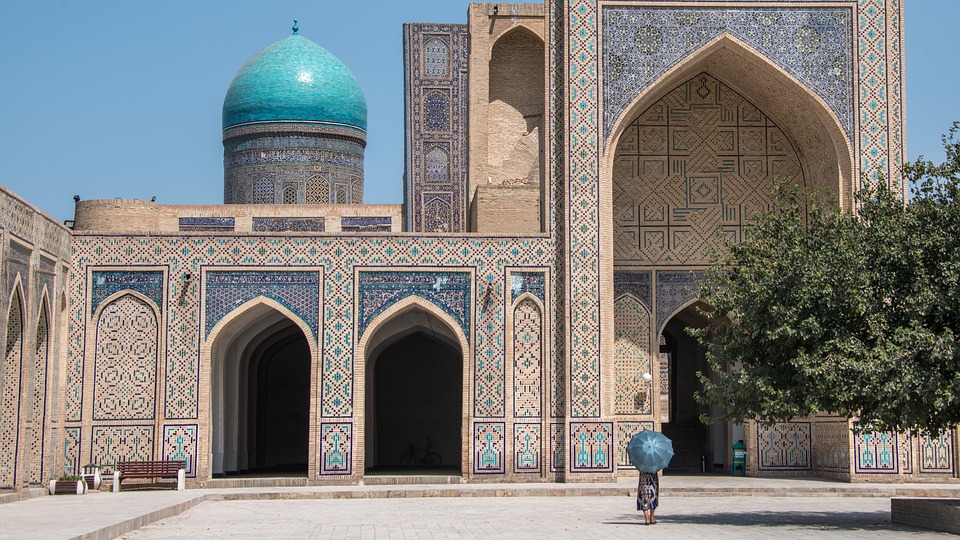
Picture a landscape where towering, azure-tiled domes pierce the desert sky, where the scent of toasted cumin and fresh naan wafts through ancient, labyrinthine bazaars, and where strangers insist on pouring you a second cup of green tea before you can even finish the first. This is Uzbekistan. Long considered the crown jewel of the ancient Silk Road, this Central Asian nation offers a travel experience that feels both profoundly historic and vibrantly alive.
Planning a journey here requires navigating a unique blend of ancient traditions and rapidly modernizing infrastructure. This comprehensive, evergreen guide provides everything you need to know to plan a seamless, culturally rich, and unforgettable trip. From decoding the high-speed rail network and mastering bazaar etiquette to uncovering hidden artisan workshops, we have compiled the definitive resource for your Uzbek adventure.
Why Uzbekistan Belongs at the Top of Your Travel List
Uzbekistan has undergone a remarkable transformation, opening its doors to the world with improved infrastructure, streamlined visa policies, and a renewed commitment to preserving its monumental heritage. Here is why modern travelers are flocking to this Central Asian gem:
- Unmatched Architectural Heritage: As the historic crossroads of the Persian, Mongol, and Islamic worlds, the country boasts some of the most stunning Islamic architecture on the planet, meticulously preserved in cities that feel like open-air museums.
- Legendary Hospitality: The Uzbek concept of mehmondo’stlik (hospitality) is real. Visitors are routinely treated as honored guests, often invited into local homes for a meal or a conversation over tea.
- Exceptional Value: Compared to European or North American destinations, Uzbekistan offers incredible value. You can stay in beautifully restored boutique heritage hotels, eat lavish meals, and travel between cities via high-speed rail without straining your budget.
- Living Artisan Traditions: Unlike many destinations where traditional crafts are relegated to souvenir shops, Uzbekistan’s silk weaving, ceramics, and woodcarving are thriving, living industries that travelers can actively engage with.
The Essential Itinerary: Top Destinations in Uzbekistan
Uzbekistan’s tourism circuit is famously anchored by three historic Silk Road cities, but the country offers much more diversity than just ancient madrasahs. Here is your strategic guide to the must-visit regions.
1. Samarkand: The Jewel of the Silk Road
A UNESCO World Heritage Site, Samarkand is the undisputed heavyweight of Uzbek tourism. Founded over 2,500 years ago, it was the capital of Tamerlane’s empire and a vital hub on the Silk Road. The scale of its architecture is genuinely breathtaking.
- Registan Square: The iconic heart of the city, framed by three towering, intricately tiled madrasahs. It is particularly magical when illuminated at night.
- Shah-i-Zinda: A breathtaking avenue of mausoleums adorned in shimmering blue, turquoise, and gold mosaics. It is often called the “Stairway to Paradise.”
- Gur-e-Amir Mausoleum: The opulent, fluted blue dome marks the final resting place of Tamerlane (Amir Timur). The interior gold leaf and lapis lazuli work are stunning.
Photography Tip: Arrive at Shah-i-Zinda right at sunrise. You will avoid the large tour groups, and the soft morning light hitting the glazed tiles creates an ethereal, unforgettable glow.
2. Bukhara: The Holy City
If Samarkand is about imperial grandeur, Bukhara is about intimate, spiritual charm. This UNESCO-listed city has over 140 architectural monuments, and its compact, walkable historic center makes it a favorite among travelers.
- Poi Kalon Complex: Dominated by the Kalyan Minaret, a towering brick structure so impressive that Genghis Khan reportedly spared it from destruction, calling it the “Poi Kalon” (Great Foot).
- Lyabi-Hauz Ensemble: A serene, tree-shaded plaza centered around a historic reflecting pool. It is the perfect spot to watch the world go by while sipping tea.
- Samanid Mausoleum: Dating back to the 10th century, this is the oldest surviving Islamic monument in Central Asia, famous for its incredibly intricate, basket-weave brickwork.
Local Insight: In the evening, the area around Lyabi-Hauz comes alive. Join locals for a stroll, and don’t hesitate to try the street vendors selling chak-chak (a sweet, honey-coated dough dessert).
3. Khiva: A Step Back in Time
Khiva feels less like a city and more like a meticulously preserved film set. The entire inner city, known as Itchan Kala, is enclosed by massive, crenelated mud-brick walls.
- Itchan Kala: A walled city containing over 50 historical monuments, including the stunning Juma Mosque with its forest of 218 carved wooden pillars.
- Kalta Minor Minaret: A massive, stubby tower covered in vibrant turquoise, green, and white tiles. It was intended to be the tallest minaret in the Islamic world, but construction halted when the khan died.
- Kuhna Ark Citadel: The ancient fortress and residence of the Khiva rulers. Climb the walls for sweeping views over the desert landscape.
Expert Recommendation: Book a guesthouse or boutique hotel inside the walls of Itchan Kala. Waking up to the call to prayer echoing over the silent, ancient streets before the day-trippers arrive is a profoundly moving experience.
4. Tashkent: The Modern Metropolis
The capital city is a fascinating blend of Soviet-era architecture, modern development, and traditional Uzbek culture. It serves as the primary international gateway and a great place to acclimate.
- Chorsu Bazaar: Housed under a massive, turquoise dome, this is the place to experience the sensory overload of Central Asian commerce. Look for mountains of spices, dried fruits, and fresh bread.
- Tashkent Metro: Built during the Soviet era, many stations function as underground palaces, featuring marble columns, intricate mosaics, and grand chandeliers.
- Hast Imam Square: The religious center of the city, housing the Uthman Quran, one of the world’s oldest surviving Quranic manuscripts.
5. The Fergana Valley: The Artisan’s Haven
Tucked behind the Tian Shan mountains, this fertile valley is the cultural and artisanal heart of the country. It is less visited by mainstream tourists, offering a more authentic, slower-paced experience.
- Rishtan: The epicenter of Uzbek ceramics. Visit a master potter’s workshop to see how the famous cobalt-blue ishkor glaze is created.
- Margilan: The historic home of silk production. Tour the Yodgorlik Silk Factory to watch artisans spin, dye, and weave silk on traditional looms, a process unchanged for centuries.
- Kokand: Explore the Khudayar Khan Palace, a dazzling example of 19th-century architecture with its vibrant exterior tilework and ornate wooden columns.
Beyond the Cities: Unique Experiences You Cannot Miss
Camping in the Kyzylkum Desert
For a stark contrast to the ornate cities, venture into the Kyzylkum (“Red Sand”) Desert. Many travelers break up the journey between Bukhara and Khiva with an overnight stay in a traditional yurt camp. Expect camel rides at sunset, traditional meals cooked over an open fire, and some of the clearest, most star-filled skies you will ever see.
The Ultimate Uzbek Food Tour
Uzbek cuisine is hearty, flavorful, and deeply tied to its agricultural roots. Do not leave without trying:
- Plov (Osh): The national dish. A rich, savory pilaf of rice, lamb, carrots, and onions, slow-cooked in a massive cast-iron cauldron called a kazan. Every region has its own variation.
- Somsa: Flaky, savory pastries baked in a tandoor (clay oven), typically filled with minced lamb, onions, and cumin.
- Lagman: A hearty, hand-pulled noodle soup with meat and vegetables, showing the region’s Dungan and Uyghur influences.
- Shashlik: Succulent chunks of marinated meat grilled on skewers over charcoal.
Essential Logistics: Navigating Uzbekistan Like a Pro
Traveling in Uzbekistan is straightforward, but it requires some specific local knowledge. Use this quick checklist to prepare.
Quick Checklist: Pre-Departure
- Visa: Many nationalities (including the US, UK, EU, Canada, and Australia) enjoy visa-free entry for up to 30 days. Always verify current regulations with the official government portal before booking.
- Currency: The Uzbekistani Som (UZS). While card acceptance is growing in Tashkent, cash is still king everywhere else. Bring crisp, new, unblemished USD or EUR bills to exchange at local banks or hotels. Small denominations are highly useful.
- Connectivity: Purchase a local SIM card (Ucell, Uzmobile, or Beeline) at the airport upon arrival. It is inexpensive and provides reliable 4G coverage in all major cities and along the main highway.
- Apps to Download: Yandex Go is the essential ride-hailing app in Tashkent and other major cities, functioning exactly like Uber and eliminating language barriers with drivers.
Transportation: The Afrosiyob High-Speed Train
The most efficient and comfortable way to travel between Tashkent, Samarkand, and Bukhara is the Afrosiyob high-speed train. It is clean, punctual, and offers a smooth ride. However, tickets sell out weeks in advance, especially during peak seasons. Book as soon as your itinerary is confirmed via the official Uzbekistan Railways website or through your tour operator.
| Transport Mode | Best For | Insider Advice |
|---|---|---|
| Afrosiyob Train | Tashkent to Samarkand/Bukhara | Book 45+ days in advance. Arrive at the station 45 minutes early for security checks. |
| Shared Taxis | Shorter routes (e.g., Bukhara to Khiva) | Comfortable and fast. Negotiate the price beforehand or have your hotel arrange it. |
| Domestic Flights | Reaching remote areas (e.g., Nukus/Urgench) | Useful for saving time, but schedules can occasionally change. Build buffer days into your itinerary. |
Cultural Etiquette and Common Mistakes to Avoid
Respecting local customs will enrich your experience and earn you the warm smiles of the Uzbek people.
- Dress Modestly: While Uzbekistan is secular, it is a predominantly Muslim country. Both men and women should cover their shoulders and knees when visiting mosques, mausoleums, and rural villages. Carry a lightweight scarf in your daypack.
- Photography Rules: Always ask for permission before photographing locals, especially in rural areas or markets. Photography is generally forbidden inside active mosques and some museum interiors.
- Bazaar Bargaining: Haggling is expected and considered a friendly social interaction at places like Chorsu Bazaar. Start by offering about 30-40% less than the asking price, and always negotiate with a smile. Once a price is agreed upon, it is polite to follow through with the purchase.
- Common Mistake: Drinking the tap water. Always stick to sealed bottled water to avoid stomach issues. Also, avoid flashing expensive electronics or large amounts of cash in crowded public spaces.
Frequently Asked Questions (FAQ)
What is the absolute best time to visit Uzbekistan?
Answer: The shoulder seasons of Spring (April to early June) and Autumn (September to November) are universally considered the best times to visit. During these months, the weather is mild and pleasant, making it ideal for extensive walking and sightseeing. Summers can be brutally hot (often exceeding 40°C/104°F), and winters can be quite cold and gray.
Is Uzbekistan safe for solo female travelers?
Answer: Yes, Uzbekistan is widely regarded as one of the safest countries in Central Asia for solo travelers, including women. Violent crime against tourists is exceedingly rare. The primary concerns are petty scams or overcharging in markets. Dress modestly, use registered taxi apps like Yandex Go at night, and trust your instincts.
Do I need to speak Russian or Uzbek to get by?
Answer: While younger people and those in the tourism industry in major cities speak varying levels of English, it is not universally spoken. Learning a few basic phrases in Uzbek (like Rahmat for “Thank you”) or Russian will be immensely helpful and highly appreciated by locals. Having a translation app on your phone is also highly recommended.
Can I use my credit card in Uzbekistan?
Answer: Credit and debit cards (Visa/Mastercard) are increasingly accepted in upscale hotels, larger restaurants, and supermarkets in Tashkent. However, outside the capital, the economy operates almost entirely on cash. Always carry a sufficient supply of local currency (Som).
Planning Your Trip
Uzbekistan is a destination that rewards the curious traveler. It is a place where history is not confined to museums but is lived daily in the rhythm of the bazaars, the intricate patterns of the ceramics, and the generous hospitality of its people. By planning thoughtfully and respecting the local culture, you will uncover a side of Central Asia that is both deeply authentic and profoundly inspiring.
Navigating visas, high-speed train bookings, and remote desert logistics can be complex. If you want to bypass the stress and dive straight into the experience, let the experts handle the details. Discover tailor-made, seamlessly organized itineraries with Nihosi Travels & Tours (www.nihosi.com). Their deep local expertise ensures your journey through the Silk Road is safe, authentic, and utterly unforgettable.
Pack your most comfortable walking shoes, bring your sense of wonder, and prepare to be captivated by the magic of Uzbekistan.









Subscribe To Our Newsletter
Join our mailing list to receive the latest news and updates from our team.
You have Successfully Subscribed!