
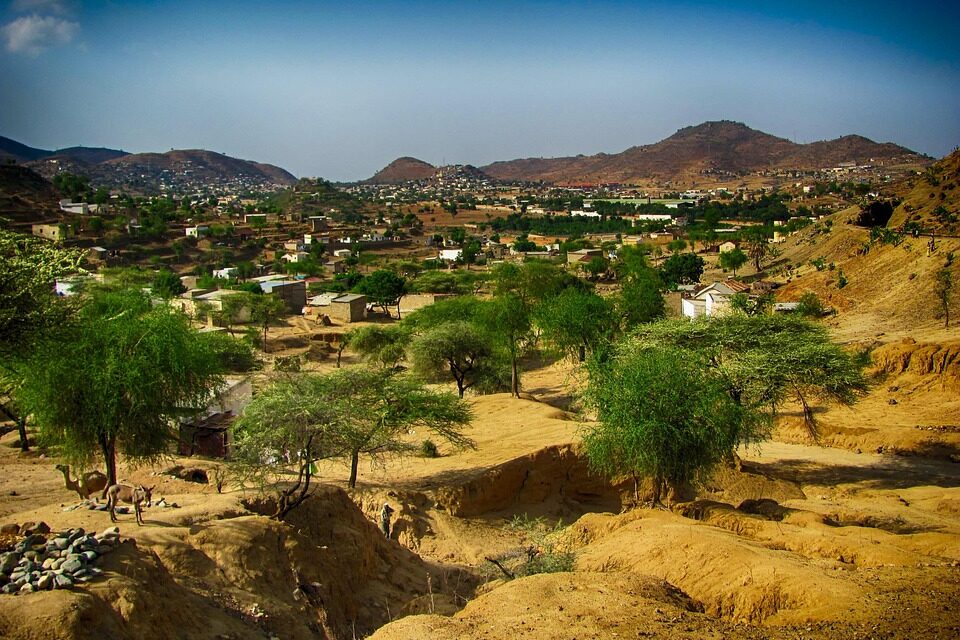
Welcome to Eritrea, one of Africa’s most fascinating and diverse destinations—a country where history, culture, and natural beauty collide in the most spectacular ways. Often referred to as the “Pearl of the Red Sea,” Eritrea remains a hidden gem awaiting discovery. Whether you’re an adventurer seeking breathtaking landscapes, a history buff eager to dive into a rich cultural past, or simply someone looking for an off-the-beaten-path experience, Eritrea promises an unforgettable journey.
In this ultimate Eritrea itinerary, we’ll take you through the heart of the country, exploring its vibrant history, stunning landscapes, and diverse cultural heritage. Get ready to fall in love with this unique destination, and let Nihosi Travel & Tours guide your way!
Why You Should Visit Eritrea
Ever wondered why Eritrea stands out as one of Africa’s must-visit destinations? Here’s why:
- Stunning Natural Scenery: From the red-hued deserts of the Danakil Depression to the emerald-green waters of the Dahlak Archipelago, Eritrea is a treasure trove of natural beauty. Expect to see breathtaking mountain ranges, serene beaches, and untouched islands.
- Rich Historical Significance: With archaeological sites dating back thousands of years and a history shaped by Roman, Ottoman, Italian, and Ethiopian influences, Eritrea is a historian’s paradise.
- Remarkable Culture & Diversity: Eritrea is home to nine recognised ethnic groups, each bringing a unique cultural identity, language, and cuisine to the table.
- Architectural Gems: Asmara, its capital city, is a UNESCO World Heritage Site known for its striking Art Deco architecture. Walking through its streets is like stepping back into a 1930s Italian art film.
When Is the Best Time to Visit Eritrea?
Eritrea offers a year-round charm, but the best time to visit depends on your interests:
- October to February: Ideal for exploring historical sites and trekking in mountainous regions. The cooler temperatures make outdoor adventures more pleasant.
- March to May: Perfect for nature lovers, as the landscapes bloom after the rainy season.
- June to September: Though warmer, this is the best season for coastal getaways and visits to the idyllic Dahlak Archipelago.
Eritrea Itinerary Overview
We’ve designed a comprehensive week-long itinerary that will take you across the highlights of Eritrea, ensuring you experience its full charm.
Day 1: Arrival in Asmara – Explore Africa’s Modernist Capital
Your journey begins in Asmara, Eritrea’s charming capital city and a designated UNESCO World Heritage Site. Known as “La Piccola Roma” (Little Rome), Asmara boasts a rare concentration of Art Deco, Modernist, and Futurist architecture.
Things to Do in Asmara:
- Explore Harnet Avenue: The city’s main artery is lined with cafes, shops, and Italian-style buildings. Grab an espresso and enjoy some people-watching.
- Visit the Fiat Tagliero Building: This iconic structure, designed in the shape of an airplane, is a marvel of Futurist design.
- St. Joseph’s Cathedral: Admire the blend of Italian Gothic and indigenous design elements in one of Asmara’s most prominent landmarks.
- National Museum of Eritrea: Immerse yourself in Eritrea’s history and culture through artefacts and exhibitions.
Local Tip:
In Asmara, don’t miss the experience of cycling along the wide boulevards like a local. Nihosi Travels can arrange rentals and guided tours for you.
Day 2: Massawa – Red Sea Coastline & Historical Treasures
On your second day, head east to Massawa, Eritrea’s historic port city on the Red Sea. This city—a mix of Ottoman, Egyptian, and Italian influences—offers a spectacular blend of history and coastal beauty.
Highlights of Massawa:
- Old Town of Massawa: Wander through the ancient streets of this former Ottoman outpost, lined with coral-stone buildings and colourful bazaars.
- Tank Graveyard: See remnants from the country’s turbulent history, offering an eye-opening glimpse of the challenges Eritrea has faced.
- Beaches Near Gurgusum: Just a short drive from the city, Gurgusum Beach is perfect for a relaxing afternoon swim.
Insider Tip:
Massawa is famous for its fresh seafood! Don’t forget to indulge in freshly grilled fish or a hearty plate of shrimp, coupled with tangy local spices.
Day 3: The Dahlak Archipelago – Paradise Island Excursion
The third day of your Eritrea adventure brings you to the spectacular Dahlak Archipelago, a group of 124 islands renowned for their pristine waters and vibrant marine life.
This secluded paradise is a haven for snorkelling, scuba diving, and birdwatching. With Nihosi Travels, you can charter a boat to explore untouched beaches, swim in hidden lagoons, and observe dolphins and turtles in their natural habitat.
Must-Do Activities:
- Snorkel over coral reefs teeming with tropical fish.
- Camp on an uninhabited island for a unique wilderness experience.
- Explore Dahlak Kebir, the largest island, and see ancient remains from early settlements.
Day 4: Keren – Embrace Eritrea’s Cultural Diversity
Next, travel to Keren, a picturesque town nestled within mountain valleys. Known for its friendly locals and traditional markets, Keren showcases Eritrea’s ethnic richness and vibrant culture.
Key Attractions:
- Camel Market: Witness one of the largest camel trading hubs in Africa. This authentic experience is unlike anything else!
- Mariyam Dearit Shrine: This iconic baobab tree holds deep spiritual significance for Eritreans and is a must-visit site.
- World War II Cemetery: Pay homage to the fallen Allied soldiers buried here, surrounded by serene landscapes.
Travel Tip:
The Keren marketplace is an excellent spot to buy souvenir crafts and interact with locals. Pick up woven baskets, pottery, and unique handmade jewellery.
Day 5: Adi Keih & Qohaito – A Journey Into Ancient History
On Day 5, delve into Eritrea’s pre-Aksumite civilisation with a trip to Qohaito, an ancient archaeological site near the town of Adi Keih. Situated at an altitude of 2,600 metres, the area offers stunning views alongside rich historical discoveries.
Highlights of Qohaito:
- Dam of Safira: An ingenious water storage facility from antiquity.
- Temple of Mariam Wakiro: See remnants of this sacred site dedicated to ancient gods.
- Rock Art: Hike through the area to find intricate drawings that date back thousands of years.
Note:
Wear sturdy shoes and pack a bottle of water for your exploration of Eritrea’s ancient ruins.
Day 6: Filfil – The Green Belt of Eritrea
On Day 6, visit Filfil, also known as Eritrea’s “green belt.” Located within the Eritrean Highlands, this lush region is an unexpected paradise filled with dense forests, cascading waterfalls, and diverse wildlife.
Activities:
- Birdwatching: Home to a wide range of bird species, Filfil is a haven for ornithologists.
- Trekking: Walk scenic trails with views of dramatic cliffs and verdant valleys dotted with wildflowers.
Pro Tip:
Pack binoculars to enjoy spectacular sightings of indigenous bird species like the Abyssinian Roller and Rüppell’s Parrot.
Day 7: Farewell Eritrea – Departure from Asmara
Conclude your itinerary by returning to Asmara. Spend your morning savouring a peaceful coffee at one of its iconic cafes, reflecting on your unforgettable Eritrean adventure.
Final Stops in Asmara:
- Medebar Market: Witness artisans repurposing metal goods into everyday products.
- Cinema Impero: Catch the last glimpses of Asmara’s vintage architecture.
Practical Travel Tips for Eritrea
- Visa Requirements: Ensure you obtain a visa beforehand. Consult the Eritrean embassy in your area for details.
- Currency: The local currency is the Eritrean Nakfa (ERN). While cash is king, many hotels in Asmara accept major currencies like US Dollars.
- Dress Modestly: Especially when visiting rural areas and religious sites.
- Language Note: Tigrinya, Arabic, and English are widely spoken, making communication convenient for most travellers.
FAQs About Eritrea
-
Is Eritrea safe for tourists?
Yes, Eritrea is considered one of the safest countries in Africa, with welcoming locals and low crime rates. -
What cuisines should I try in Eritrea?
Try injera, a traditional sourdough flatbread served with various stews. Don’t forget to experience Eritrea’s Italian culinary influence through dishes like pasta and gelato. -
Are guided tours available in Eritrea?
Absolutely! Nihosi Travels & Tours offers tailor-made itineraries for individuals and groups. -
What should I pack?
Lightweight clothing for coastal areas and warmer layers for the highlands. Comfortable footwear is essential for exploring historical sites.
Embark on this unforgettable Eritrean adventure today and book your journey with Nihosi Travels & Tours to ensure a seamless experience. Eritrea is calling—will you answer?








Subscribe To Our Newsletter
Join our mailing list to receive the latest news and updates from our team.
You have Successfully Subscribed!