
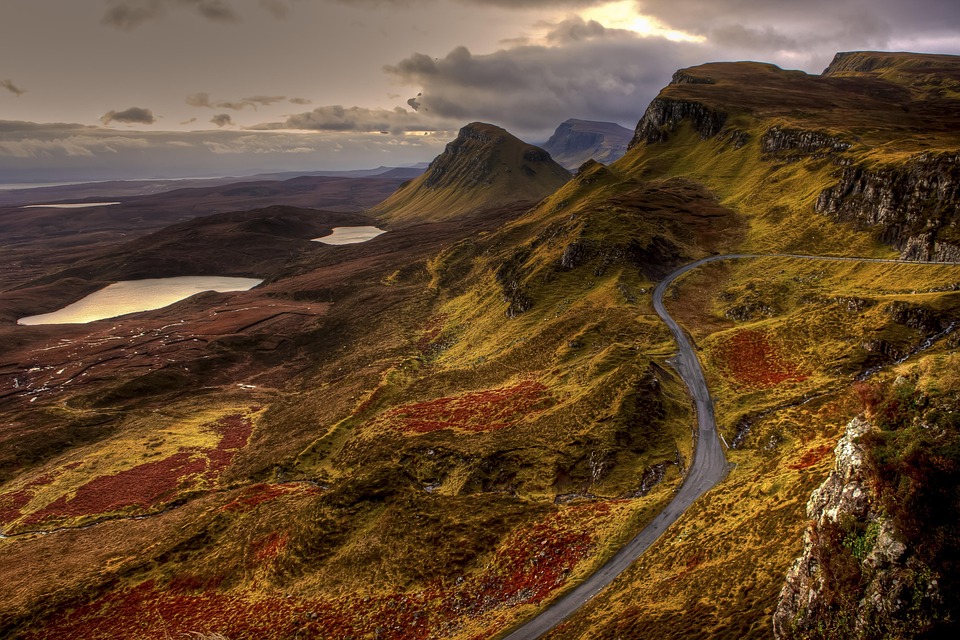
The travel industry has changed dramatically over the past few years, shaped by shifting global conditions, new technology, and evolving traveller priorities. The United Kingdom, long a hotspot for international tourism, is very much part of that shift. Travellers keep asking the same question: “What’s next for UK tourism?”
This guide takes a deep dive into the top travel trends shaping the United Kingdom right now — the experiences, sustainable practices, and local gems setting the pace for travel across Britain. Whether you’re a regular visitor or planning your first trip, this list will help you build a trip that actually reflects how people are travelling today.
1. Sustainable Travel: The Rise of Green Tourism
Sustainable travel has moved from a niche interest to a mainstream expectation. Government and industry initiatives continue to push carbon-conscious accommodation, eco-friendly transport, and a stronger emphasis on domestic and regional tourism.
Popular examples include:
- Eco-lodges powered by renewable energy in the Scottish Highlands.
- Low-carbon travel options in London, including an expanding electric bus fleet and cycle infrastructure.
- A growing number of green-certified accommodations, making it easier for tourists to choose eco-conscious stays.
Actionable tip: Consider exploring rural gems like Cornwall’s smaller villages, or take the Eurostar train instead of flying to cut your carbon footprint when travelling to the UK.
2. Immersive Heritage Experiences: Bridging Past and Present
The UK’s history remains its single biggest draw, but the way people experience it is changing. Interactive history tours and, at a growing number of sites, augmented and virtual reality technology are giving visitors a more hands-on way to engage with the past — alongside the traditional guided tours and exhibitions most historic sites still rely on.
What this looks like in practice:
- Major historic sites, including the Tower of London, are experimenting with digital and multimedia guides that bring specific periods of their history to life.
- Sites like Stonehenge use audio guides and digital exhibits at the visitor centre to add context to the monument itself.
- Medieval-themed feasts and historical re-enactments remain popular in cities like York.
Note for planners: Specific tech features (VR headsets, AR overlays) vary by site and season, so check directly with the attraction before promising guests a particular experience.
3. Micro-Adventures in Untouched Areas
Micro-adventures continue to gain ground, especially with younger travellers. London and Edinburgh remain central to most itineraries, but more visitors are now building in time for lesser-known destinations to escape crowds and get closer to nature.
Destinations to put on your radar:
- Northumberland National Park — the UK’s largest Dark Sky area, and one of the best spots in the country for stargazing.
- Pembrokeshire Coast in Wales — wild coastline that’s ideal for kayaking and coasteering.
- Countryside hikes through the Cotswolds, away from the busier market towns.
These shorter escapes fit naturally with weekend getaways, sustainable travel goals, and the growing appetite for outdoor time.
4. Gastronomy Tourism: The UK’s Culinary Renaissance
Food travel in the UK isn’t just tea and scones anymore. Over the past decade, the country has built a genuine reputation as one of Europe’s more interesting culinary destinations, and that momentum hasn’t slowed.
Here’s what’s trending:
- Small farm-to-table restaurants opening across Scotland and Wales.
- London food festivals celebrating everything from craft beer to global street food.
- Regional specialities gaining wider recognition — think Cornish pasties, haggis, and the UK’s enduring tea culture.
Pro tip: Look into local food trails, such as cheese and wine routes in Somerset or seafood-focused itineraries in Cornwall.
5. Regenerative Tourism: Giving Back to Destinations
Regenerative tourism — leaving a place better than you found it — continues to gain traction. Popular initiatives include volunteering trips, community clean-up drives, and workshops that support local artisans.
Ways to take part:
- Beach clean-ups in Brighton or along the Norfolk coast.
- Visits to artisan markets in Bristol, where purchases directly support local makers.
- Conservation walks in the Lake District supporting local wildlife projects.
Travellers increasingly want to feel like they’re contributing to a place’s upkeep, not just passing through it.
6. Remote Work-Friendly Destinations
Remote work has changed how some travellers plan longer UK stays. Cities like Manchester, Edinburgh, and Bath now offer solid coworking spaces, reliable Wi-Fi, and accommodation better suited to extended visits.
One important clarification: the UK does not currently have a dedicated digital nomad visa. Most remote workers visiting the UK do so on a Standard Visitor Visa, which allows limited remote work for an overseas employer during a tourist stay, or through routes like the Youth Mobility Scheme for eligible nationalities. Anyone planning an extended working stay should check current UK Home Office visitor visa rules before travelling, since remote-work allowances on visitor visas are specific and worth confirming in advance.
7. Festival and Events Tourism
The UK’s festival calendar remains one of its biggest tourism draws, and events keep finding new ways to reach people who can’t attend in person. Major highlights include:
- The Edinburgh Festival Fringe — the world’s largest arts festival.
- Glastonbury Festival — pairing major music headliners with a strong environmental focus.
- Traditional events such as the Notting Hill Carnival and seasonal Christmas markets in cities like Birmingham.
Always check official festival sites for confirmed dates before booking travel, since line-ups and schedules are announced separately each year.
8. Slow Travel: Exploring at a Leisurely Pace
Where travellers once tried to pack in as many stops as possible, more are now choosing to slow down and spend real time in fewer places.
Popular ways to slow travel in the UK:
- The Caledonian Sleeper — overnight train journeys from London to the Scottish Highlands.
- Canal boat holidays along waterways like the Kennet and Avon Canal.
- Rural cycling routes through areas like Oxfordshire or the Peak District.
This style of travel appeals across age groups, from young families to older travellers looking for a deeper connection to a place rather than a packed itinerary.
9. Smart Travel Tech: AI and Personalised Itineraries
AI-assisted planning tools are increasingly part of how people build UK trips, with apps tailoring itineraries around budget, time, and personal preferences.
- Translation apps ease communication in bilingual regions, including Welsh-speaking parts of Wales.
- Contactless and mobile payment options make cashless travel the norm across most of the country, urban and rural alike.
- Transit apps such as Citymapper remain essential for navigating major hubs like London or Glasgow efficiently.
These tools don’t replace good planning, but they do make day-to-day logistics — bookings, directions, translations — noticeably smoother.
10. Health and Wellness Tourism
Wellness travel remains a steady priority for UK visitors, with many looking for spa breaks, yoga retreats, and mindfulness-focused experiences.
Popular options include:
- Shepherd’s hut wellness retreats in Gloucestershire.
- The historic thermal spas in Bath, a UNESCO World Heritage Site.
- Forest bathing sessions and meditative walks through woodlands like Epping Forest.
This shift toward relaxation-driven travel appeals to both domestic travellers and international visitors looking to unwind rather than sightsee non-stop.
FAQs: All Your Questions Answered
1. What is sustainable tourism, and how does the UK practise it?
Sustainable tourism focuses on minimising travel’s environmental impact. The UK’s renewable-powered lodges and expanding low-carbon transport options, like electric buses in London, are good examples of this in practice.
2. Do smaller UK destinations accommodate tourists well?
Yes. Areas like the Lake District and Pembrokeshire have a solid base of boutique hotels, experienced local guides, and tour operators well set up for visitors, even outside peak season.
3. How do I find eco-certified accommodations in the UK?
Sites like Green Tourism and major booking platforms let you filter accommodation listings by sustainability certification, which is a quick way to shortlist eco-conscious stays.
4. Does the UK offer a digital nomad visa?
No, not currently. Remote workers typically rely on a Standard Visitor Visa for short stays with limited work allowances, or other routes like the Youth Mobility Scheme where eligible. It’s worth checking the latest UK government guidance before planning an extended remote-work trip.
Final Thoughts
From untapped rural corners to wellness retreats and a genuinely improving food scene, the UK travel landscape offers a lot more range than its reputation sometimes suggests. Whether you’re a history buff, a remote worker looking for a short stay abroad, or a food-focused traveller, there’s a strong case for exploring beyond the obvious stops.
Build a trip around what actually interests you, support responsible practices like regenerative tourism where you can, and let Nihosi Travels & Tours help plan your next UK adventure.
For more practical, up-to-date travel insights, bookmark Nihosi Travels and stay ahead of what’s shaping UK travel.












Subscribe To Our Newsletter
Join our mailing list to receive the latest news and updates from our team.
You have Successfully Subscribed!