

Few places on the map remain as genuinely mysterious to outside travellers as Turkmenistan. Wedged between the Caspian Sea, Iran, Afghanistan, and its Central Asian neighbours, this is a country shaped by ancient Silk Road cities, an almost surreal amount of white marble architecture, and one of the strictest, most tightly controlled tourism systems anywhere in the world. It’s not an easy country to visit — and that’s precisely part of its appeal for travellers drawn to genuinely off-the-beaten-path destinations.
This guide covers what actually awaits travellers in Turkmenistan today: the destinations, the culture, the food, and the practical realities — including the country’s unusual, heavily regulated visa system — that anyone considering a trip here needs to understand well before booking.
Why Turkmenistan Is Worth Understanding
Turkmenistan’s history runs deep. As a key waypoint on the ancient Silk Road, it once linked China to the Mediterranean, and the ruins scattered across its desert landscape — several of them UNESCO World Heritage Sites — are a direct legacy of that era. Layered on top of this ancient history is something stranger: a modern capital built almost entirely from white marble, extravagant gold-domed monuments, and a state apparatus that controls nearly every aspect of how visitors experience the country.
A trip here offers the chance to:
- Explore ancient Silk Road ruins recognised as UNESCO World Heritage Sites.
- See Ashgabat, a capital city holding a Guinness World Record for the highest concentration of white marble-clad buildings anywhere on Earth.
- Experience Turkmen culture through its renowned carpet-weaving traditions, distinctive cuisine, and Central Asian nomadic heritage.
- Witness surreal desert landscapes, including the famous — if now considerably diminished — Darvaza Gas Crater.
Whether you’re drawn by ancient history, architectural curiosity, or the appeal of a destination almost nobody else has been to, Turkmenistan delivers an experience genuinely unlike anywhere else.
Top Destinations in Turkmenistan
1. The Darvaza Gas Crater (The “Door to Hell”)
The Darvaza Gas Crater, deep in the Karakum Desert, has long been Turkmenistan’s single most famous attraction — a fire crater that’s been burning since a Soviet drilling accident in the early 1970s. Important update: the crater is no longer the roaring wall of flame shown in older photos and videos. Since around 2022, the Turkmen government has actively worked to extinguish it, citing environmental and economic concerns, drilling containment wells that have reduced the fire’s intensity roughly threefold. As of recent visitor reports, only isolated pockets of flame remain visible, mostly on close inspection, and officials have confirmed a formal technical plan is now underway to extinguish it completely, with no announced closure date. If seeing the crater is a priority for your trip, it’s worth going sooner rather than later — and worth adjusting your expectations, since the dramatic sea-of-fire imagery that made the site famous no longer reflects what’s actually there.
The site sits roughly 260 km (162 miles) north of Ashgabat, a four-to-five-hour drive each way; the standard visit is an overnight desert camping trip, leaving Ashgabat in the afternoon and returning the following day.
2. Ashgabat: The City of Marble
Turkmenistan’s capital is an architectural spectacle in its own right, holding the Guinness World Record for the highest density of white marble-clad buildings in a single city. Wide, empty boulevards, gold-topped monuments, and elaborate fountains give Ashgabat an atmosphere unlike any other capital in the world — equal parts impressive and genuinely strange.
Highlights include the Monument of Neutrality, Independence Park, and the Ashgabat National Museum of History. The Tolkuchka Bazaar (also known as the Altyn Asyr Bazaar) on the city’s outskirts is one of the best places to see traditional Turkmen carpets, prized internationally for their intricate geometric patterns and craftsmanship.
3. Ancient Merv (UNESCO World Heritage Site)
Once one of the largest cities in the world and a major Silk Road hub, Merv was a centre of trade and learning for centuries before being largely destroyed by the Mongols in the 13th century. Today, its ruins — including the striking Sultan Sanjar Mausoleum and extensive fortifications — give a genuine sense of the scale this city once reached. The remote, quiet setting adds real weight to the visit; a morning visit before the desert heat sets in is the most comfortable time to explore.
4. Konye-Urgench
Another UNESCO World Heritage Site, Konye-Urgench was a major medieval city and centre of Islamic scholarship. Its surviving structures, including the Kutlug Timur Minaret (one of the tallest surviving structures of its kind in Central Asia) and the Turabek Khanum Mausoleum, reflect the sophistication of the region’s Islamic architectural tradition at its peak. The site sits close to the Uzbek border, and some itineraries combine it with onward travel into Uzbekistan for travellers with the right visas arranged.
Hidden Gems: Off-the-Beaten-Path Turkmenistan
Yangykala Canyon
Nicknamed “Turkmenistan’s Grand Canyon,” Yangykala is a dramatic multicoloured canyon carved by erosion over millennia, with layered red, orange, and white rock formations that are especially striking at sunset. It’s genuinely remote, reachable only by 4×4 as part of an organised tour from Balkanabat, but it rewards the effort for travellers who prioritise dramatic, uncrowded landscapes.
Kow-Ata Underground Lake
A thermal lake inside a cave roughly 60 km from Ashgabat, Kow-Ata offers a warm, mineral-rich swim in a genuinely unusual setting. The water carries a faint sulphuric smell, but it’s a popular stop for travellers looking for something a little different from the standard ruins-and-desert circuit.
Nokhur Village
Tucked into the Kopet Dag mountains near the Iranian border, Nokhur offers a glimpse of the Nokhuris, a distinct local ethnic group with their own traditions, including some unusual funerary customs (ram horns placed on grave markers) not seen elsewhere in the country. It’s a good example of the cultural diversity that exists within Turkmenistan beyond the marble capital and desert landscapes.
Understanding Turkmenistan’s Visa and Tourism System
This is the single most important practical section for anyone considering Turkmenistan, because the system here is unlike almost anywhere else on Earth.
Independent Travel Is Not Permitted
Turkmenistan is widely considered one of the most closed countries in the world, and its tourism system reflects that directly. Tourists cannot simply arrive and explore independently. Every visit must be arranged in advance through a registered Turkmen tour operator, who applies for a Letter of Invitation (LOI) on your behalf — typically taking two to four weeks to process. Once approved, you present the LOI to obtain your visa, either at a Turkmen embassy in advance or on arrival, depending on your nationality and route.
Beyond the visa itself, tourist-visa holders are generally required to travel with an officially registered guide for the duration of their trip, following a pre-approved itinerary. Accommodation must typically be booked through the tour operator as well — independent hotel bookings, and staying in a local’s home as a foreign tourist, are generally not permitted. Some travellers instead use a stricter transit visa, which allows a short window (commonly around five days) to cross the country between two border points without detours, but this is a different, more limited option than a full tourist visa.
One partial exception: within Ashgabat itself, some visitors report being able to move around more freely without a guide directly at their side, using taxis or public transport, though this can vary and shouldn’t be assumed without confirming with your tour operator.
Other Entry Requirements to Know
- Turkmenistan has, unusually, continued to require a mandatory COVID-19 test and fee for all arriving passengers even in recent years — budget for this as an additional, largely bureaucratic cost on arrival.
- Turkmenistan does not permit dual citizenship, and dual US-Turkmen citizens in particular have faced serious exit difficulties in the past. Anyone with Turkmen heritage or citizenship should seek specific guidance before travelling.
- Because this system changes periodically, and because approval isn’t guaranteed, starting the process at least two months ahead of any planned trip is standard advice from experienced tour operators.
5. Nisa Fortress (UNESCO World Heritage Site)
Just outside Ashgabat, the ruins of Old and New Nisa were once the capital of the Parthian Empire, a major power that rivalled Rome for centuries. Far less visited than Merv, Nisa offers a quieter, more contemplative look at pre-Islamic Central Asian history, with earthen fortress walls and temple foundations still visible against the backdrop of the Kopet Dag mountains.
6. Awaza: Turkmenistan’s Caspian Coast
On the Caspian Sea coast near the port city of Turkmenbashy, Awaza is a purpose-built resort zone of large hotels, marinas, and beaches, developed by the government as a seaside tourism hub. It’s a very different side of Turkmenistan from the desert and ruins circuit — polished, modern, and comparatively relaxed — and offers a useful contrast for travellers on a longer itinerary, along with easier access to Caspian seafood and a noticeably cooler coastal climate in summer.
A Country Shaped by Neutrality and Isolation
To understand why Turkmenistan operates so differently from its Central Asian neighbours, it helps to know a bit of context. Since independence from the Soviet Union in 1991, Turkmenistan has pursued a formal policy of “permanent neutrality,” recognised by the United Nations, which it has used to justify staying largely outside regional political and military alliances. In practice, this neutrality stance has gone hand in hand with one of the most tightly controlled information environments and tourism systems in the world — the government maintains close oversight of media, internet access, and the movement of foreign visitors alike.
This isolation is part of what makes Turkmenistan so distinctive to visit: relatively few foreign tourists make it here each year compared with neighbours like Uzbekistan, so sites like Merv or Konye-Urgench, despite their UNESCO status, are often visited by only a handful of other travellers on any given day — a rarity for heritage sites of this significance anywhere else in the world.
Sample Itinerary Structure
Because nearly every element of a Turkmenistan trip needs pre-approval, itineraries here tend to be more fixed than in most other destinations — but a typical well-rounded route looks something like this:
Days 1–2: Ashgabat
Acclimatise and explore the marble capital: the Monument of Neutrality, Independence Park, the National Museum, and Tolkuchka Bazaar for carpets and handicrafts.
Days 3–4: The Karakum Desert and Darvaza
Head north into the desert for an overnight camping trip near the Darvaza Gas Crater, often combined with a stop at Kow-Ata Underground Lake en route.
Days 5–6: Ancient Merv and Konye-Urgench
Travel to explore the Silk Road ruins of Merv, with Konye-Urgench added for travellers with a bit more time or planning to continue on toward Uzbekistan.
Days 7+: Optional Extensions
Travellers with additional time sometimes add Nisa Fortress near Ashgabat, a stop at Yangykala Canyon for dramatic desert scenery, or a few days at Awaza on the Caspian coast for a complete change of pace before departure.
Turkmen Culture and Etiquette
Turkmenistan is a deeply traditional society, and a few points of etiquette go a long way:
- Dress modestly, particularly outside Ashgabat and in rural areas.
- Remove your shoes before entering a private home (though, as noted above, foreign tourists are generally not permitted to visit local homes independently while on a tourist visa).
- Photography is genuinely restricted here in a way that catches some visitors off guard: avoid photographing government buildings, military personnel or installations, and official checkpoints. Your guide will generally know exactly where photography is and isn’t allowed, and it’s worth deferring to them rather than guessing.
Language
Turkmen is the official language, though Russian remains widely spoken in Ashgabat and other urban centres as a legacy of the Soviet era. A few basic Turkmen phrases are appreciated:
- Hello: Salam
- Thank you: Sag boluň
Turkmen Cuisine
Turkmen food blends Central Asian and Middle Eastern influences, shaped by the country’s nomadic heritage and Silk Road history.
Must-Try Dishes:
- Plov: A rice dish cooked with lamb, carrots, and warming spices — the closest thing Turkmenistan has to a national dish, and found everywhere from street stalls to formal dinners.
- Shashlik: Skewered, grilled meat, usually lamb, served with flatbread — a Central Asian staple.
- Chorek: Traditional flatbread, often baked in clay tandoor-style ovens and served with almost every meal.
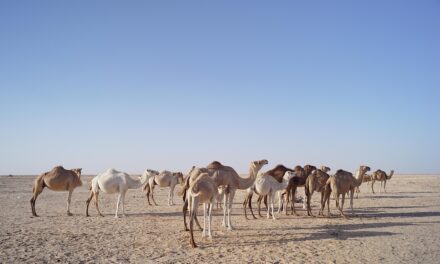
- Camel milk: Still a genuine part of nomadic Turkmen food culture in parts of the country, and worth trying if you have the chance, particularly in more rural regions.
Practical Travel Information
Currency and Payments
The local currency is the Turkmen manat (TMT). ATMs are scarce and unreliable for foreign cards, and credit cards are rarely accepted outside a handful of upscale hotels in Ashgabat. Carrying sufficient cash in US dollars or euros, in clean, undamaged notes, remains the standard and strongly recommended approach.
Getting Around
Domestic flights, buses, and taxis form the backbone of Turkmenistan’s transport network, though in practice, as noted above, your registered tour operator will typically arrange most or all transport as part of your pre-approved itinerary. Taxi meters are rarely used outside Ashgabat, so agreeing a fare before getting in is standard practice wherever independent taxi travel is possible.
Connectivity
Internet access in Turkmenistan is among the most heavily restricted in the world, with many international websites and services, including most major social media and messaging platforms, blocked or inaccessible without workarounds. Google Maps generally functions in urban areas, but don’t rely on constant connectivity, and consider downloading offline maps in advance.
What to Pack
- Lightweight clothing and sun protection for desert heat, alongside a warmer layer for cooler evenings, particularly in the mountains or the desert after dark.
- Sturdy, closed footwear for exploring ruins and canyon terrain.
- Modest clothing covering shoulders and knees, useful throughout the trip and essential for rural areas.
- A reliable power bank and offline maps, given the connectivity limitations noted above.
Best Time to Visit
Spring (April to June) and autumn (September to October) offer the most comfortable travelling conditions, avoiding both the extreme summer desert heat and the colder winter months.
Health and Vaccinations
No special vaccinations are mandatory for entry beyond standard travel health precautions, though it’s sensible to consult a travel health clinic ahead of any Central Asian trip. Medical facilities outside Ashgabat are limited, so comprehensive travel insurance with medical evacuation coverage is worth arranging given the remoteness of several key sites.
FAQs About Travelling in Turkmenistan
1. Is Turkmenistan safe for tourists?
Turkmenistan generally has low rates of street crime and is not considered a physically dangerous destination for visitors in that sense. The bigger practical considerations are the country’s tightly controlled political environment and strict rules around photography, movement, and conduct — travellers should follow their guide’s direction closely and avoid any political commentary, photography of sensitive sites, or activity that could be seen as critical of the government.
2. Can I travel to Turkmenistan independently?
No, not in the way “independent travel” usually means. All tourist-visa travel must be arranged through a registered Turkmen tour operator, with a pre-approved itinerary and, in almost all cases, a guide accompanying you throughout the trip. This is a firm requirement of the system, not just a recommendation.
3. What currency is used in Turkmenistan?
The Turkmen manat (TMT). Bring cash in US dollars or euros, since card acceptance and ATM reliability are both very limited.
4. Can I use my smartphone for navigation?
Google Maps generally works in and around Ashgabat, but given Turkmenistan’s heavy internet restrictions and patchy connectivity outside the capital, downloading offline maps in advance is strongly recommended.
5. Is the Darvaza Gas Crater still worth visiting?
It’s still a striking, remote desert experience, but manage your expectations: the dramatic, fully ablaze crater seen in older photos no longer exists. The fire has been substantially reduced by government containment efforts, and officials have confirmed plans to extinguish it entirely, with no set date. If it’s a priority for you, it’s worth visiting sooner rather than later.
6. How do I dress in Turkmenistan?
Modestly, covering shoulders and knees, particularly outside Ashgabat and at any religious or rural site.
7. Is it expensive to visit Turkmenistan?
Relative to neighbouring Uzbekistan or Kyrgyzstan, yes — the mandatory guide, pre-arranged transport, and tour-operator-managed accommodation all add cost compared with destinations where independent budget travel is possible. Most visitors book Turkmenistan as a structured, mid-range-to-upscale tour package rather than a shoestring trip.
8. How many days should I spend in Turkmenistan?
A week is enough to cover the core circuit — Ashgabat, the Darvaza Gas Crater, and Ancient Merv — comfortably. Ten days to two weeks allows time to add Konye-Urgench, Nisa, and either Yangykala Canyon or the Caspian coast at Awaza, without rushing between sites.
Final Thoughts
Turkmenistan isn’t a destination for travellers who want flexibility or spontaneity — the entire system is built around structure, approval, and a guide at your side. But for those willing to work within that framework, it offers something genuinely rare: ancient Silk Road ruins, an almost unbelievable capital city, and landscapes that feel like nowhere else on Earth, all with a level of visitor scarcity that’s becoming harder and harder to find anywhere else in the world. It’s a country that rewards patience in the planning stage with an experience that very few travellers can say they’ve had.
For more country guides and travel planning support, visit Nihosi Travels & Tours.










Subscribe To Our Newsletter
Join our mailing list to receive the latest news and updates from our team.
You have Successfully Subscribed!