
How to Travel Smart in Morocco: Essential Tips for an Unforgettable Journey
Planning a trip to Morocco? This enchanting North African country has something for every traveller—from stunning mountain ranges to vibrant souks, golden deserts, and exquisite cultural heritage. But to truly experience all Morocco offers, you need to travel smart. In this guide, we’ve compiled essential tips to ensure your journey to Morocco is seamless, enjoyable, and unforgettable.
Why Choose Morocco? A Mosaic of Culture, History, and Natural Beauty
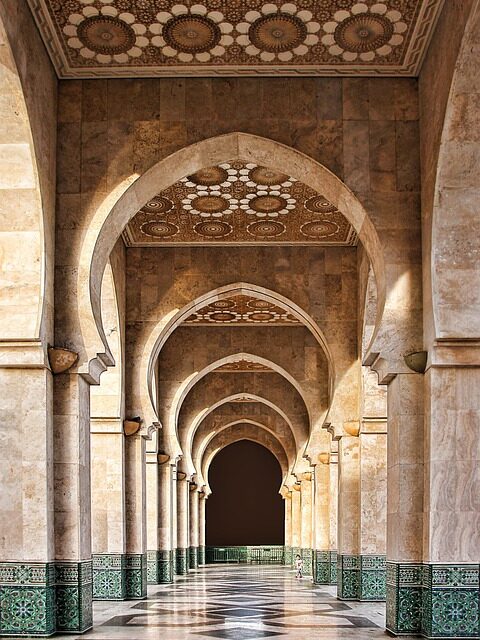
Morocco encapsulates the magic of contrasts. Here, ancient medinas with twisting alleyways meet modern cities buzzing with innovation. The country’s diverse landscapes include sweeping deserts, lush oases, rugged mountain ranges, and pristine beaches by the Atlantic Ocean. Whether you dream of trekking in the Atlas Mountains, exploring captivating cities like Marrakesh and Fez, or riding camels under starry desert skies, Morocco offers it all.
But before you pack your bags and dive headfirst into this sensory overload, planning your journey carefully can make the difference between an average vacation and an extraordinary adventure.
1. Plan Around Morocco’s Seasons: What’s the Best Time to Visit?
Seasonal variations in Morocco can significantly influence your travel experience. Here’s a breakdown of the best times to visit, depending on your itinerary:
- Spring (March to May): Widely regarded as the best time to travel, spring offers mild weather, blooming flowers, and lush green landscapes. It’s ideal for exploring cities, hiking in the Atlas Mountains, and discovering the countryside.
- Autumn (September to November): Temperatures cool down after the scorching summer, making it comfortable to visit Morocco’s deserts and cities. The golden hues of autumn add charm, especially around the Sahara.
- Summer (June to August): While the coastal cities like Casablanca, Essaouira, and Tangier are pleasant, inland regions and the desert can be intensely hot at this time. If visiting in summer, prioritise cooling activities along Morocco’s coast.
- Winter (December to February): Suitable for visits to the desert or for immersing yourself in city life. If you’re into skiing, Oukaimeden (outside Marrakech) offers a unique winter sports experience.
2. Getting to Morocco: Travel Smart with Flights & Entry Requirements
Flights
International airports in cities like Casablanca, Marrakech, and Tangier make Morocco easily accessible. Look out for budget airlines if you’re travelling from Europe—RYANAIR and EasyJet often have direct options.
Visas and Entry
- Citizens of many countries, including the UK, USA, Canada, and most EU nations, don’t require a visa for stays of up to 90 days.
- Ensure your passport is valid for at least six months beyond your travel dates.
- Always double-check visa requirements on official government websites.
Pro tip: Arrive with Moroccan Dirham (MAD) in small denominations or withdraw from an ATM upon arrival, as foreign currencies may not be accepted for small transactions.
3. Essential Packing Tips for Morocco: Travel Light but Right
Packing strategically is critical to travelling smart in Morocco. The climate, culture, and activities require a mix of practicality and respect for local customs.
Clothing
Morocco is a predominantly Muslim country, and although it’s relatively liberal in tourist spots, modest clothing is appreciated, especially in rural areas.
- Loose, breathable fabrics like cotton and linen are perfect for the heat.
- Women might want to carry light scarves to cover their shoulders when visiting religious sites or rural areas.
- Comfortable walking shoes are essential for navigating uneven medina streets.
- Pack layers for variable climates, especially if travelling to the Atlas Mountains or deserts, where nights can be chilly even in summer.
Travel Essentials
- Adaptor: Morocco uses type C or E plug sockets (220V). Bring a universal adaptor if needed.
- Sunscreen & Sunglasses: Protect yourself from the strong Moroccan sun.
- Reusable Water Bottle: Reduces waste and keeps you hydrated as you explore.
4. Navigating Morocco: Transport Options for Smart Travel
In-City Transport
- Taxis: Make sure to negotiate fares in small taxis (petit taxis) before starting the journey. Use ride-hailing apps like Careem as an alternative in larger cities.
- Walking: The best way to experience Morocco’s medinas is on foot.
Intercity Transport
- Trains: The ONCF rail network connects major cities like Marrakech, Rabat, Casablanca, and Fez. The high-speed Al Boraq train is an excellent option for long distances.
- Buses: CTM and Supratours buses offer reliable and affordable ways to explore regions not covered by trains.
- Car Rentals: For off-the-beaten-path destinations, renting a car gives you flexibility, although driving in Moroccan cities can be chaotic.
5. Immerse Yourself in Morocco’s Rich Culture (With Respect!)
To travel smart is to travel respectfully. Moroccan culture is both complex and deeply rooted in tradition. Here’s how to ensure a culturally sensitive and enriching experience:
- Learn a Few Arabic or Berber Phrases: Simple greetings like “Salam Alaikum” (Peace be upon you) or “Shukran” (Thank you) go a long way in connecting with locals.
- Haggle Diplomatically: At souks, negotiate respectfully and with a sense of fun—it’s part of the culture!
- Understand Mealtimes: Moroccans take pride in their hospitality. If invited for tea or a meal, accept it graciously; it’s an honour in Moroccan culture.
Local Tip: Visit UNESCO-listed cities like Fez and Marrakesh for authentic glimpses of Morocco’s history and heritage.
6. Must-Visit Highlights in Morocco
Make sure these iconic locations feature on your travel itinerary:
- Marrakech: Vibrant souks, the Jardin Majorelle, and the iconic Jemaa el-Fnaa square.
- Fez: Home to the world’s oldest university, extraordinary tanneries, and atmospheric medinas.
- Chefchaouen: The Blue Pearl of Morocco—a picturesque, blue-painted town nestled in the Rif Mountains.
- Merzouga: Your gateway to the stunning sand dunes of the Sahara Desert.
- Essaouira: A tranquil coastal escape, perfect for windsurfing and fresh seafood.
7. Stay Connected: Navigating Morocco’s Digital Side
Internet Access
- Free Wi-Fi is available in most urban areas, hotels, cafes, and restaurants.
- Purchasing a local SIM card from carriers like Maroc Telecom or Orange is affordable and ensures seamless connectivity.
8. Food and Drink: Savour the Flavours of Morocco Smartly
Dive into mouthwatering Moroccan cuisine:
- Street Food: Try affordable delicacies like tagines, zaalouk, and Moroccan mint tea.
- Distilled Water Only: Tap water isn’t recommended for drinking, so stock up on bottled or filtered water.
Marvel tip: Many traditional dishes in Morocco are vegetarian-friendly—a bonus for eco-conscious travellers!
9. Currency and Budgeting: Travel on Any Budget
The Moroccan Dirham is pegged to a stable exchange rate, making budgeting easier.
- Luxury: High-end riads offer unparalleled accommodation in regal Moroccan palaces.
- Mid-Range: Budget €50–€70/day for comfortable mid-range accommodation and meals.
- Shoestring: Dorms and local canteens make Morocco surprisingly affordable.
10. Safety First: How to Enjoy Morocco Safely
While Morocco is generally safe for travellers, staying alert is critical.
- Avoid Getting Scammed: Always double-check prices and stick to trusted tour operators like Nihosi Travels & Tours.
- Solo Female Travellers: Dress modestly and use female-only train cars for extra comfort.
10 FAQs About Travelling in Morocco
To appear on Search snippets:
json










Subscribe To Our Newsletter
Join our mailing list to receive the latest news and updates from our team.
You have Successfully Subscribed!