
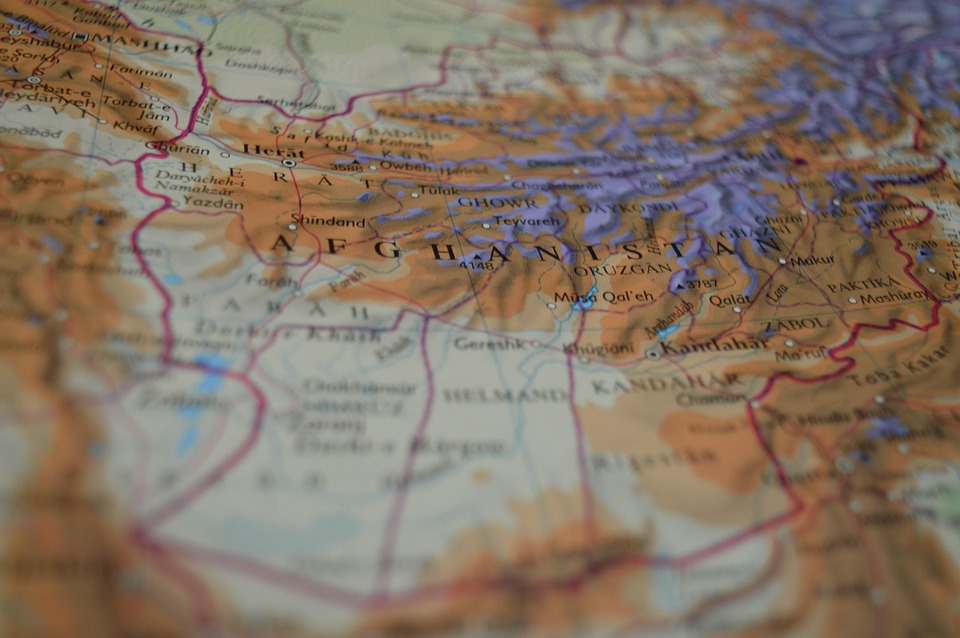
When you think about travel destinations, Afghanistan may not be the first place that springs to mind. Yet, hidden beneath the headlines lies a country brimming with untouched beauty, rich cultural heritage, and a collection of landscapes that rival any postcard-perfect paradise. Afghanistan’s enchanting history and jaw-dropping scenery make it an unparalleled destination, off the beaten path for even the most seasoned travellers.
In this guide, we’ll take you on a journey through Afghanistan’s untouched beauty and unearth its compelling past, helping you better understand why this nation deserves a place on your travel bucket list. Whether it’s rugged mountains, historical relics, or warm Afghan hospitality, there’s a treasure trove of experiences waiting for you.
Why Consider Afghanistan?
A Land of Mystique
Afghanistan’s unique location at the heart of Central Asia has made it a cultural crossroads for centuries. It sits at the intersection of historical trade routes that connected the East to the West, making the land a melting pot of diverse cultures. From the Buddhist heritage of Bamiyan to the Islamic architecture of Herat, the remnants of its storied past echo loudly today.
Beyond its historical significance, Afghanistan is a haven for those seeking the road less traveled. With much of its countryside untouched by modern infrastructure or tourism, it offers adventurers an authentic experience unmatched by popular destinations.
1. Afghanistan’s Natural Beauty: Beyond the Headlines
Afghanistan’s topography is as varied as it is magnificent. From towering peaks to sprawling deserts, the country offers a dramatic landscape for nature lovers and adventurers alike. Let’s explore some of its standout natural wonders.
The Hindu Kush Mountains
Undoubtedly one of Afghanistan’s defining features, the Hindu Kush Mountain range slices through the nation, offering both challenges and rewards for intrepid travelers. If you’re a climbing enthusiast or simply love breathtaking views, areas like Wakhan Corridor are ideal. Here, you’ll find snow-capped peaks, glittering valleys, and nomadic communities living off the grid.
Tips for Visiting the Hindu Kush
- The best time to visit is between late spring and early autumn when the snow has melted.
- Hiring local guides from Nihosi Travels & Tours (www.nihositravels.com) ensures safe passage through remote regions.
- Don’t attempt these treks without proper preparation; they can be physically demanding but incredibly rewarding.
Band-e Amir National Park: Afghanistan’s Hidden Oasis
Often referred to as Afghanistan’s Grand Canyon, Band-e Amir is a series of six dazzlingly blue lakes surrounded by stark limestone cliffs. The combination of crystal-clear waters and dramatic landscapes makes it an Instagram-worthy gem.
Whether you’re kayaking on the lakes, exploring the surrounding cliffs, or simply soaking in the serene atmosphere, this national park encapsulates untouched beauty. Notably, Band-e Amir is also Afghanistan’s first national park and a UNESCO World Heritage contender.
Wakhan Corridor: The Path of Legends
The Wakhan Corridor is a thin strip of land connecting Afghanistan to China. This remote area is largely untouched, offering incredible opportunities for nature lovers, photographers, and cultural enthusiasts. Home to the Kyrgyz and Wakhi people, the corridor allows travellers to interact with indigenous communities that have preserved their way of life for centuries.
2. Unraveling Afghanistan’s Enchanting History
Afghanistan’s history is as rugged and fascinating as its terrain. Its position on the ancient Silk Road has seen empires rise and fall, leaving behind captivating ruins and historical treasures.
Bamiyan Buddhas: A Testament to Buddhism
The Bamiyan Valley, nestled in the heart of Afghanistan, was once a thriving centre of Buddhism. The giant Buddha statues of Bamiyan were the largest of their kind, standing tall at 38 and 55 metres, respectively, before their heartbreaking destruction in 2001. Today, visiting the site remains an awe-inspiring experience.
Even in their absence, the giant niches carved into the cliffs echo the grandeur of ancient craftsmanship, and ongoing UNESCO projects aim to preserve the site while documenting its rich history.
Herat: The Jewel of Afghanistan
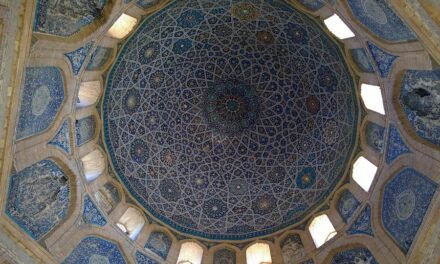
Herat is one of Afghanistan’s most culturally significant cities, a place where Persian influence is prominently visible. Known as “the Florence of Asia,” Herat boasts stunning Islamic architecture, including the Herat Friday Mosque. Glittering blue tiles gleam in the sunlight, and the intricate mosaics offer insight into the golden age of Islamic art.
Take your time walking through its bustling bazaars, where craftsmen sell traditional carpets, jewellery, and copperware—perfect souvenirs to remember your journey.
The Ancient City of Balkh
Before Herat or Kabul, there was Balkh, a city that was once the epicentre of Zoroastrianism and later flourished under the Islamic rule. Referred to as the “Mother of Cities,” Balkh is a historian’s dream. The ruins of the ancient citadel, along with the nearby Khoja Parsa Mosque, make this an unmissable destination for those fascinated by history.
3. What to Expect During Your Visit
Afghan Hospitality: Warm and Genuine
Afghans are world-renowned for their hospitality. In Pashtun culture, the concept of “Nanawatai” ensures that guests are protected and honoured, even at great personal expense. Visitors can expect warm welcomes, plenty of tea, and offers to join family meals—a truly heartwarming experience for anyone traveling here.
Culinary Delights: A Feast of Flavours
Afghan cuisine is a blend of flavours influenced by Iran, Central Asia, and the Indian subcontinent. Some must-try dishes include:
- Kabuli Pulao: The national dish, consisting of rice, lamb, and a mixture of spices and raisins.
- Bolani: A savoury flatbread stuffed with potatoes, pumpkin, or spinach.
- Mantu: Dumplings filled with meat and topped with yoghurt and garlic sauce.
Travel Tips for First-Time Visitors
- Safety First: While Afghanistan’s safety situation has seen improvement, it’s crucial to research the latest travel advisories and plan accordingly.
- Hire a Guide: Navigating Afghanistan solo is challenging. We recommend hiring experienced guides like those from Nihosi Travels & Tours to ensure smooth travel.
- Dress Respectfully: Afghanistan is a conservative country, so dressing modestly is essential. Women should cover their hair and wear loose clothing, while men should avoid shorts.
- Bring Cash: Outside major cities, ATM access is limited, and cash is king.
- Learn Basic Greetings: Knowing phrases like “Salam” (hello) and “Tashakor” (thank you) goes a long way in building rapport.
FAQ Section
Below are some commonly asked questions about travelling to Afghanistan.
1. Is Afghanistan safe for tourists?
While the security landscape is improving, it’s best to consult with local experts or operators like Nihosi Travels & Tours before planning your visit.
2. When is the best time to visit Afghanistan?
Spring and autumn are ideal due to mild weather and optimal trekking conditions.
3. What cultural practices should I be aware of?
Modesty and hospitality are key. Dress conservatively, and show respect when engaging with locals.
4. Can I explore Afghanistan solo?
While possible, independent travel is not recommended due to safety and logistical challenges in remote areas. Hiring a guide is advisable.
5. What languages are spoken in Afghanistan?
Pashto and Dari are the official languages. In urban centres, limited English may also be understood.
json
Conclusion
Afghanistan is a land of untold stories, awe-inspiring beauty, and timeless history. For those with a spirit of adventure and a willingness to embrace the unknown, it’s a destination that offers unparalleled rewards. With the expertise of guides like Nihosi Travels & Tours, you can explore this remarkable country while ensuring safety and unforgettable experiences.
Travel to this enchanting corner of the world not only to witness its untouched beauty but to gain an appreciation of a culture grounded in resilience, hospitality, and ancient artistry. Afghanistan is more than a destination—it’s a journey into the heart of a civilisation that dares you to dream beyond the ordinary.
Ready to embark on your adventure? The treasures of Afghanistan await!








Subscribe To Our Newsletter
Join our mailing list to receive the latest news and updates from our team.
You have Successfully Subscribed!