
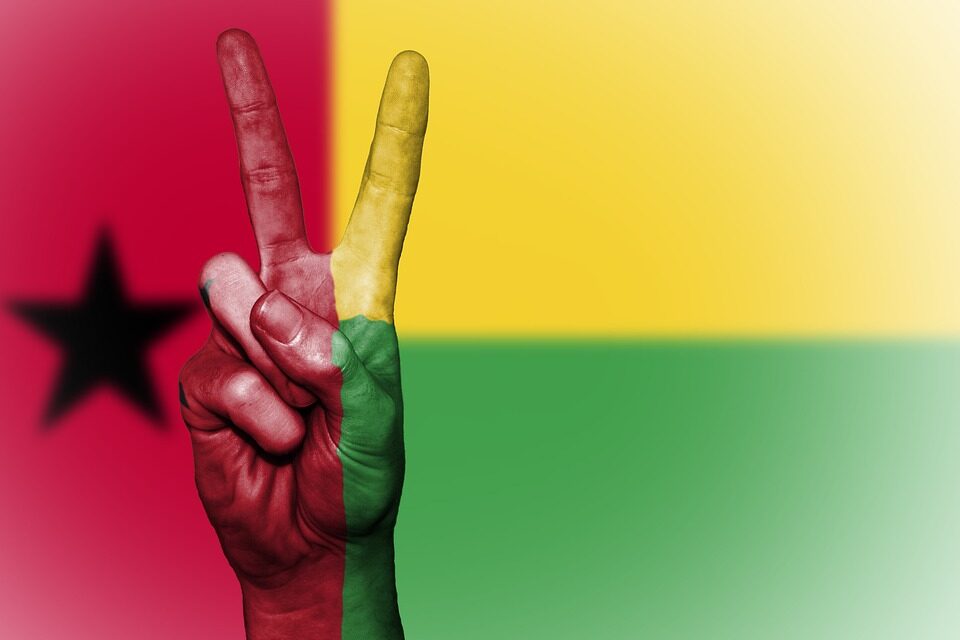
Nestled along the stunning West African coastline, Guinea-Bissau is an underrated gem waiting to be explored. With its breathtaking natural beauty, vibrant culture, and fascinating history, this small country is an emerging destination for travellers seeking something off the beaten path. Welcome to a traveller’s ultimate paradise, where every moment feels like a page from an adventure novel.
If you’ve ever wondered what makes Guinea-Bissau so special, we’ve got you covered. Let’s dive into the top things to do in Guinea-Bissau, from its pristine archipelagos to its bustling market streets, and discover why this destination should be on your bucket list.
Exploring Guinea-Bissau’s Charm: Highlights You Can’t Miss
Guinea-Bissau offers an authentic African experience, blending unspoiled natural attractions, diverse wildlife, and vibrant cultures. Whether you’re an adventurous soul looking for eco-tourism spots or a cultural enthusiast, this guide will help you uncover the best this paradise has to offer.
1. Immerse Yourself in the Bijagós Archipelago
One of Guinea-Bissau’s crown jewels, the Bijagós Archipelago, consists of over 80 beautiful islands scattered along the Atlantic. This UNESCO Biosphere Reserve is a haven for nature lovers and offers endless opportunities for exploration.
Why You Should Visit the Bijagós Archipelago:
- Pristine Beaches: Think untouched white sands set against the backdrop of azure waters.
- Wildlife Encounters: Home to saltwater hippos, sea turtles, and rare bird species, this is paradise for wildlife enthusiasts.
- Local Traditions: Meet the Bijagós people, custodians of an ancient culture tied deeply to nature and spirituality.
Extra Tip: Visit Orango Island for its legendary hippos that roam freely between fresh and saltwater lagoons.
Did you know? The Bijagós Archipelago is one of the very few places in the world where you can find marine hippos.
2. Explore Bissau’s Historic Charm
The capital city, Bissau, offers a fascinating mix of old-world charm and modern African life. Its cobblestone streets, colonial architecture, and bustling markets make it the perfect starting point for any traveller.
Highlights in Bissau:
- Fortaleza d’Amura: A historic fortress from the Portuguese colonial period that narrates the country’s struggle for independence.
- Bissau Velho: Stroll through this neighbourhood, featuring colonial-era buildings that give you a glimpse of Guinea-Bissau’s history.
- Central Market: Dive into the chaos of this lively market to find local crafts, textiles, and the freshest produce.
For a taste of Guinea-Bissau’s nightlife, head to the restaurants and bars in Bissau Marina, where you can enjoy spectacular sunset views along with live music.
3. Witness Traditional Mask Dances
Guinea-Bissau’s cultural identity is as vibrant as its landscapes. If you want to experience the heart of its traditions, attending a mask dance is a must.
What to Expect:
- Elaborate Masks: Hand-carved masks depict spirits, animals, and symbols from the local animist religions.
- Ritual Ceremonies: These performances blend storytelling, music, and dance, often tied to religious or social rites.
- Community Spirit: Mask dances are community-driven events designed to preserve cultural heritage.
Plan your trip during the festivals of Carnival or Karamok, when the country comes alive with music, parades, and traditional celebrations.
4. Discover the Wonders of Varela Beach
For those craving relaxation, Varela Beach is a tranquil haven located on Guinea-Bissau’s northern coast. This lesser-known gem is far removed from bustling tourist hubs, giving you complete serenity.
Activities to Enjoy at Varela Beach:
- Beach Picnics: Set up a hammock under a tree and savour local snacks.
- Bird Watching: Varela is part of a protected mangrove ecosystem, offering sightings of rare bird species.
- Fishing Villages Nearby: Take a walk to nearby local villages for an authentic experience of rural Guinea-Bissau life.
Pro Tip: Don’t forget your camera! The sunsets at Varela Beach are pure magic.
5. Step Back in Time at Bolama Island
Bolama Island, the former capital of Portuguese Guinea, gives you a peek into colonial history. With ruins of old administrative buildings, faded mansions, and tranquil landscapes, it’s a perfect spot for history buffs and photographers alike.
Attractions at Bolama:
- Ruins of the Governor’s Palace: Explore the remnants of colonial governance while learning about the island’s significance in Guinea-Bissau’s independence movement.
- Locust Cocoa Trees: The island is abundant with lush vegetation, offering nature lovers a therapeutic escape.
Spend the day wandering through the quiet streets of Bolama and soaking in its nostalgic beauty.
6. Embark on a Bird-Watching Safari at João Vieira Island
Birdwatching enthusiasts should make João Vieira Island a priority on their itinerary. As part of the Bijagós Archipelago, it boasts an incredible variety of migratory and endemic bird species.
Why João Vieira is a Birdwatcher’s Dream:
- Over 100 bird species, including flamingos, egrets, and kingfishers.
- Tranquil lagoons that make perfect photography spots.
For an added touch of adventure, organise a guided canoe safari to explore the island’s hidden gems.
7. Taste Guinea-Bissau’s Unique Cuisine
No visit to Guinea-Bissau is complete without diving into its incredible local flavours. The country’s cuisine reflects a mixture of West African staples, Portuguese influences, and Creole specialties.
Must-Try Dishes:
- Caldo de Peixe: A seafood soup bursting with fresh-catch flavours.
- Jollof Rice: A vibrant rice dish spiced with chilli, tomatoes, and rich broths.
- Bianda: A local favourite made from cassava leaves.
Pair these dishes with traditional palm wine for a truly immersive culinary experience.
8. Discover the Salt Pans of Sungá
Another off-the-beaten-track marvel is the salt pans of Sungá, located along Guinea-Bissau’s coastline. These vast salt flats offer a fascinating glimpse into the region’s traditional methods of salt production.
When to Visit:
Visit in the late afternoon to witness the salt pans shimmering under the golden hues of the setting sun – an unforgettable sight for photographers.
9. Visit Cacheu: A Historical Port Town
Cacheu, one of the oldest towns in Guinea-Bissau, played a crucial role in the transatlantic trade. Today, it’s a peaceful riverside town filled with historical landmarks.
Key Attractions in Cacheu:
- Cacheu Fortress: Built in the 16th century, it stands as a testament to the town’s colonial past.
- Slave Trade Museum: Learn about Cacheu’s history and its role in the Atlantic triangular trade.
Tip: Take a boat ride along the Cacheu River for a serene afternoon surrounded by mangroves.
10. Experience the Carnaval de Bissau
If your visit coincides with Carnival season, you’re in for a treat. Guinea-Bissau’s Carnival de Bissau is a sensational celebration filled with music, costumes, and joyous parades.
Make sure to have your cameras ready for colourful snapshots of this culturally rich event.
Practical Travel Tips for Visiting Guinea-Bissau
When to Visit:
The best time to explore Guinea-Bissau is during the dry season, which runs from November to May.
Essential Packing List:
- Lightweight, breathable clothing.
- Sunblock and insect repellent.
- A good pair of walking shoes.
Getting Around:
Most villages and towns are accessible via road. For island excursions, rely on local boat operators or organised tours.
Why Choose Nihosi Travels & Tours?
Whether it’s arranging eco-tours in the Bijagós Archipelago or guiding you through Bissau’s historic streets, Nihosi Travels & Tours ensures a seamless and memorable getaway. With expert guides, tailored itineraries, and responsible travel approaches, you’re guaranteed the adventure of a lifetime.
FAQ Section
1. What is the Bijagós Archipelago known for?
The Bijagós Archipelago is renowned for its pristine beaches, unique marine wildlife (like saltwater hippos), and vibrant cultural heritage.
2. Is Guinea-Bissau safe for tourists?
Yes, Guinea-Bissau is generally safe for tourists, but it’s always wise to follow standard precautions, especially in rural areas.
3. Do I need a visa to visit Guinea-Bissau?
Most visitors require a visa. Check with your local consulate for country-specific requirements.
4. What currency is used in Guinea-Bissau?
The official currency is the West African CFA franc (XOF).
5. Can I access medical facilities easily?
Healthcare facilities are limited in Guinea-Bissau, so travel insurance and basic medical supplies are essential.
Guinea-Bissau offers a rare mix of adventure, cultural richness, and natural beauty. Whether you’re taking a leisurely walk through Bissau’s colonial streets, immersing yourself in the biodiversity of the Bijagós islands, or savouring the rich culinary heritage, this paradise will leave you spellbound. Don’t wait – start planning your journey today!
By following the tips outlined here and booking responsibly through trusted experts like Nihosi Travels & Tours, you’ll move one step closer to an unforgettable trip. Stay inspired, stay inquisitive – the beauty of Guinea-Bissau awaits.









Subscribe To Our Newsletter
Join our mailing list to receive the latest news and updates from our team.
You have Successfully Subscribed!