
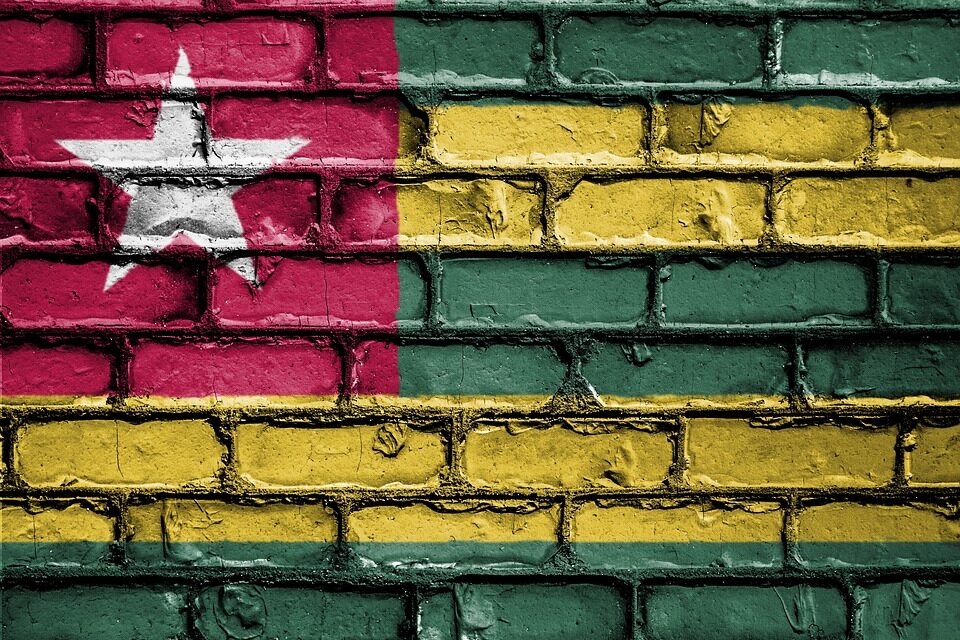
Togo, the slender slice of West Africa, is often overshadowed by its larger and more globally renowned neighbours like Ghana and Nigeria. Yet, for those who venture beyond the guidebooks and popular tourist routes, Togo reveals an enchanting world of untouched beauty, deep cultural heritage, and natural wonders. From the golden stretches of its pristine beaches to the mystique of its sacred forests, Togo is a haven for anyone seeking an authentic and awe-inspiring travel experience.
In this guide, we’ll take a deep dive into the hidden gems of Togo, showcasing why this remarkable country should feature on every traveller’s bucket list. Pack your curiosity and an adventurous spirit as we explore Togo’s hidden treasures—perfect for those yearning for a mix of relaxation, adventure, and cultural immersion.
Why Visit Togo?
Before delving into its hidden gems, let’s answer a fundamental question: Why Togo?
Togo offers a unique blend of attractions for all kinds of travellers. Whether you’re a history buff, nature lover, or avid beachcomber, there’s something here to ignite your wanderlust. Here’s why many travellers are beginning to look at Togo as a prime destination:
- Unspoiled landscapes: Unlike busier hotspots in Africa, Togo remains largely untrodden by mass tourism.
- Rich cultural tapestry: As home to over 40 ethnic groups, Togo boasts a plethora of traditions, music, and art forms waiting to be discovered.
- Accessible adventures: Its small size allows travellers to cover numerous landscapes—from coastal beaches to verdant savannahs—without exhausting travel times.
1. Untouched Beaches for Tranquillity Seekers
Lomé’s Quiet Shores
Lomé, Togo’s capital, introduces you to the country’s serene coastline. While endearing in its urban charm, Lomé boasts peaceful beaches that stretch for miles. Coastal spots like Coco Beach and Baguida Beach offer clear waters and soft sands, perfect for taking a break from the daily hustle and enjoying the rhythmic ebb and flow of the waves.
Aného: Where Charm Meets Tranquillity
Located east of Lomé, Aného, a historic colonial town, provides undoubtedly one of the most picturesque seaside retreats. Its beaches are ideal for travellers looking to combine history with relaxation. Don’t miss the breathtaking sunsets here—they’re known to leave visitors spellbound.
Travel Tip: Pack a picnic and visit in the late afternoon for cooler temperatures and postcard-worthy photos.
Togoville’s Waterside Escape
If you want an off-the-beaten-path experience, explore Togoville, a serene village perched on the shores of Lake Togo. Here, you can enjoy laid-back fishing expeditions or take a pirogue ride across the lake—a tranquil spot highlighted by its historical ties to colonial pasts and traditional voodoo practices.
2. Sacred Forests Shrouded in Mysticism
In Togo, forests aren’t just collections of trees—they’re living spiritual landscapes. Beliefs, myths, and folklore are deeply intertwined with its sacred groves, many of which play vital roles in animist rituals and cultural identity.
Kéran National Park
Venture into Kéran National Park, a protected area in northern Togo, to witness the untamed beauty of its dense woodlands. Beyond its impressive flora, Kéran is home to elephants, antelope, and vibrant bird species. For locals, parts of this lush forest are considered sacred, offering travellers a unique intersection of nature and tradition.
Kpalimé’s Forested Hideaways
No trip to Togo is complete without a visit to Kpalimé, a region renowned for its verdant hills, coffee plantations, and dense forests. A trek to the nearby Missahoé Forest Reserve reveals towering trees, countless butterflies, and a tranquil setting perfect for eco-tourists. The reserve also provides opportunities to learn about Togo’s rich biodiversity directly from knowledgeable local guides.
A Sacred Haven in Akodessewa Fetish Market
While technically not a forest, the Akodessewa Fetish Market in Lomé deserves an honourable mention. Known as the world’s largest voodoo market, it showcases the raw spiritualism ingrained in Togo’s history. Dried herbs, talismans, and animal relics used in traditional ceremonies make it a fascinating, albeit haunting, destination.
3. Exploring Togo’s Mountainous Terrain
Mount Agou: The Pinnacle of Togo
If conquering heights sparks your interest, Mount Agou, the highest peak in Togo, calls out to adventurers. Nestled near the Ghana border, it offers panoramic views of lush valleys and neighbouring villages. Whether you hike to the summit or hire a local guide, you’re bound to experience serenity above the bustling world below.
Did You Know? Mount Agou is crowned with communication masts that contribute to its unmistakable silhouette.
Cascade de Womé
This hidden waterfall, tucked within the hills near Kpalimé, is a prime location to cool off after a day of trekking. The short hike through thick forest paths rewards visitors with the sight and sound of water plummeting into serene pools—an idyllic escape from the heat.
4. Dive Into Togo’s Vivid Culture
Togo’s unmatched heritage bursts forth in its vibrant festivals, historical sites, and timeless traditions.
Ewe Culture and Artisan Crafting
Among the Ewe people, a dominant ethnic group in southern Togo, weaving and pottery are cherished art forms passed from generation to generation. A trip through small villages near Aného gives visitors the chance to witness these crafts firsthand and even purchase a piece of beautifully woven kente fabric.
Festivals That Inspire Connection
One of the standout events is the spectacular Evala Wrestling Festival in northern Togo. It’s more than just a sporting event—it’s a rite of passage for Kabye boys transitioning into adulthood. Joining the enthusiastic crowds is a joyous cultural immersion you won’t soon forget.
5. Mouthwatering Culinary Experiences
What’s a trip to Togo without indulging in its local delicacies? Togolese cuisine offers bold flavours rich in tradition and regional variety. From street food to homestyle cooking, here are must-try dishes for foodies:
- Fufu and Sauce: A doughy staple paired with spiced tomato or peanut-based sauces.
- Grilled Tilapia: Often served alongside fresh vegetables, bringing coastal freshness to your plate.
- Akpan: A popular dessert made of fermented corn dough, sweetened milk, and sugar—perfect for those with a sweet tooth.
Travel Logistics and Tips
Best Time to Visit
Togo enjoys a tropical climate, with November to February offering dry weather and cooler temperatures—ideal for beach days and trekking adventures.
Getting Around
Transportation options in Togo range from communal taxis (cheap but crowded) to moto-taxis for shorter city trips. For a hassle-free experience, consider guided tours, like those offered by Nihosi Travels & Tours, ensuring curated and insightful explorations.
Must-Know FAQs about Exploring Togo
-
Is Togo safe for travellers?
Yes, Togo is known for its welcoming people and relative safety. However, travellers should remain alert and practice standard precautions. -
What language is spoken in Togo?
French is the official language, though many locals also speak native languages like Ewe and Kabye. -
How can I plan sustainably in Togo?
Simple measures like supporting local businesses, respecting cultural traditions, and opting for eco-friendly lodges go a long way in preserving Togo’s charm.
Conclusion
Togo’s hidden treasures—the serene beaches of Aného, the mystique of Kéran’s sacred forests, and the cultural allure of Kpalimé—are what make it an undeniable gem of West Africa. Whether you’re a seasoned traveller or just starting your journey, this captivating country deserves to be on your radar. From its untouched natural beauty to its authentic cultural experiences, Togo offers an unforgettable adventure that will linger in your memories for years.
Thinking of embarking on this adventure? Visit www.nihositravels.com to connect with expert-guided tours and start planning your trip to Togo today!










Subscribe To Our Newsletter
Join our mailing list to receive the latest news and updates from our team.
You have Successfully Subscribed!