
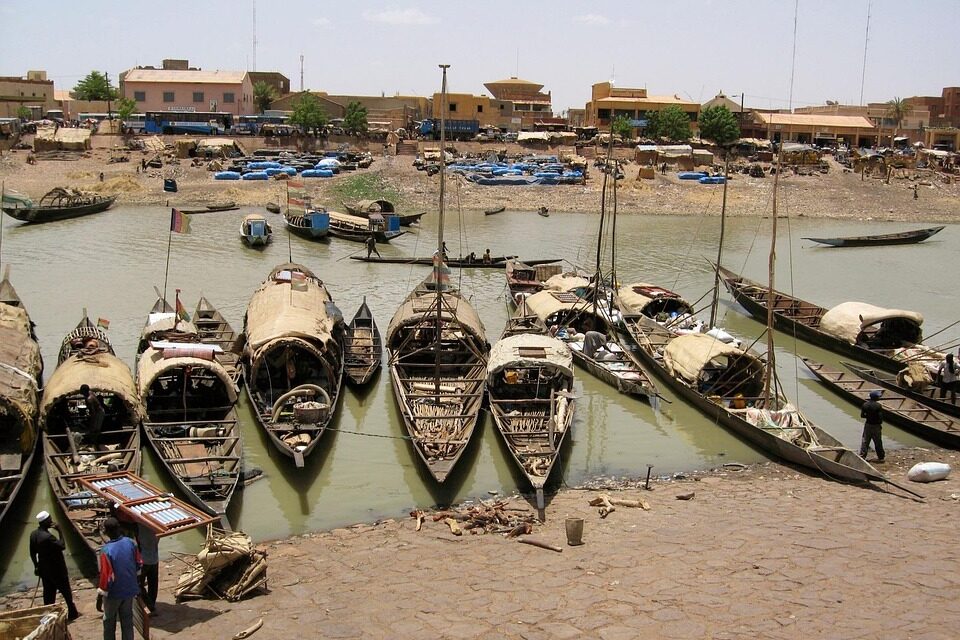
Mali, a land steeped in the whisper of ancient empires, enchanting folklore, and vast, sun-kissed deserts, offers intrepid travellers a journey that feels as though it were plucked straight out of the pages of history. Stretching from the legendary sands of the Sahara to the lush banks of the Niger River, this West African nation cradles untold treasures waiting to be discovered. Among its crown jewels lie two mesmerising destinations: Timbuktu and Mopti.
Are you ready to uncover these timeless treasures? Let’s embark on a journey through Mali’s rich history, vibrant culture, and unparalleled landscapes.
Table of Contents
- Timbuktu: The Mythical City at the Edge of the Sahara
- Mopti: The “Venice of Mali” and Its Delta Magic
- Cultural Heritage: A Glimpse into Mali’s Traditions
- Must-See Icons in Timbuktu and Mopti
- How to Travel Between Timbuktu and Mopti
- Best Time to Explore Mali
- Practical Travel Tips (And a Friendly Nod to Nihosi Travels & Tours)
- FAQ: Everything You Need to Know
1. Timbuktu: The Mythical City at the Edge of the Sahara
Timbuktu — just the name conjures up images of a mythical land cloaked in golden sands, where stories of trade routes and ancient legends linger. Founded around the 12th century, Timbuktu thrived as the heart of the trans-Saharan trade network. Known as the City of 333 Saints, it was a beacon of Islamic scholarship and prosperity during the height of the Mali and Songhai Empires.
The Golden Era of Timbuktu
During the 14th and 15th centuries, this city was home to some of Africa’s greatest intellectual and spiritual centres. The Sankoré Mosque, for instance, wasn’t merely a place of worship; it was one of the earliest universities in the world. Scholars from across the Islamic world travelled to Timbuktu to study theology, mathematics, astronomy, and medicine.
But Timbuktu wasn’t just academia. It was also an economic hub. Caravans carrying gold, salt, and ivory halted here, and traders whispered stories of a city littered with treasures.
Modern-Day Timbuktu
Today, Timbuktu retains its ancient charm while adapting to modern realities. Although its grandeur has somewhat faded, the city remains a UNESCO World Heritage Site, and the Timbuktu Manuscripts—thousands of ancient texts housed in private collections—serve as a testament to its scholarly legacy.
2. Mopti: The “Venice of Mali” and Its Delta Magic
Nestled at the confluence of the Niger and Bani rivers, Mopti is affectionately called the Venice of Mali. This vibrant city combines natural beauty, rich traditions, and bustling markets into an unforgettable experience.
Waterfront Wonders
Mopti comes alive along its riverside, with colourful pirogues (traditional boats) bobbing on the water. The city’s connection to the Niger River makes it the lifeblood of trade and travel in Mali. The port is the central hub, where you can witness traders selling everything from pottery to dried fish.
Cultural Crossroads
Mopti is a melting pot where diverse ethnic groups—including the Fulani, Bambara, and Dogon—converge to share their traditions. This cultural vibrancy is reflected in Mopti’s vibrant marketplaces and the dazzling array of artisanal crafts showcased here.
As you explore Mopti, venture to the Great Mosque of Mopti. An architectural masterpiece, it exemplifies the Sudano-Sahelian building styles, with its mud walls and protruding wooden beams giving it a unique, organic charm.
3. Cultural Heritage: A Glimpse into Mali’s Traditions
Mali’s rich tapestry of cultures adds immense depth to any trip. From the hauntingly harmonious recitals of griots (traditional storytellers) to the intricate artistry of local crafts, you’ll find layers of heritage woven into daily life.
The Legacy of the Dogon People
Near Mopti lies the Dogon Country, one of Mali’s most fascinating regions. Known for its unique cliffside dwellings, the Dogon people preserve ancient traditions that remain largely untouched by time. Their celebrations, such as the Dama dance, are hypnotic displays of masked performers expressing complex cosmologies.
Music: The Pulse of Mali
Mali is also the birthplace of some of the most influential musicians in Africa. Artists like Ali Farka Touré, Amadou & Mariam, and Salif Keita have gained international recognition for their ability to blend traditional sounds with modern genres. As night falls in Mopti or Timbuktu, you may find yourself entranced by the lull of a kora—a 21-string lute that defines the sound of West African music.
4. Must-See Icons in Timbuktu and Mopti
In Timbuktu:
- Sankoré and Djinguereber Mosques: Both are stunning examples of mud-brick architecture.
- Ahmed Baba Institute: A library safeguarding Mali’s ancient manuscripts.
- Flame of Peace Monument: Commemorating the 1996 peace treaty between Tuareg rebels and the Malian government.
In Mopti:
- The Great Mosque: Often called the “Jewel of Sudano-Sahelian architecture.”
- The Port of Mopti: A dynamic, lively area perfect for immersing yourself in local life.
- Artisan Villages: Buy authentic textiles, leather goods, and pottery here.
5. How to Travel Between Timbuktu and Mopti
Travelling between Timbuktu and Mopti is an adventure in itself. Options include:
- By River: A multi-day expedition on a traditional pirogue offers unparalleled views of the Niger River.
- By Road: While bumpy and challenging in some stretches, road travel links the two cities. Opt for a 4×4 for comfort.
- By Air: Domestic flights offer a quicker route but require advance planning.
For a seamless trip, consider contacting Nihosi Travels & Tours for expert guidance and local insights.
6. Best Time to Explore Mali
The ideal time to visit Mali is during the cooler dry season, which spans from November to February. Temperatures are more manageable, and cultural festivals, like the renowned Festival in the Desert near Timbuktu, take place during this period.
7. Practical Travel Tips (And a Friendly Nod to Nihosi Travels & Tours)
- Visa Requirements: Check with your local consulate before travelling. Most visitors require a visa.
- Currency: Mali uses the West African CFA Franc (XOF). Carry cash for easy transactions.
- Local Guides: Hiring a local guide can enhance your experience significantly. Nihosi Travels & Tours offers professional and insightful tours tailored to your needs.
- Safety: Always stay updated on the political situation before planning your trip.
8. FAQ: Everything You Need to Know
Below is a brief FAQ section using structured JSON-LD FAQ schema to better serve Google’s Featured Snippets.
json
Mali is more than a destination—it’s an odyssey through history, culture, and untamed beauty. Whether it’s wandering the timeless alleys of Timbuktu or marvelling at the vibrant waterways of Mopti, you’re guaranteed memories that will stay with you long after the last golden sands slip away from sight.
So, are you ready to discover the treasures of Mali? Let Nihosi Travels & Tours help you plan your dream journey through this spectacular nation!
Discover more at www.nihosi.com.










Subscribe To Our Newsletter
Join our mailing list to receive the latest news and updates from our team.
You have Successfully Subscribed!