
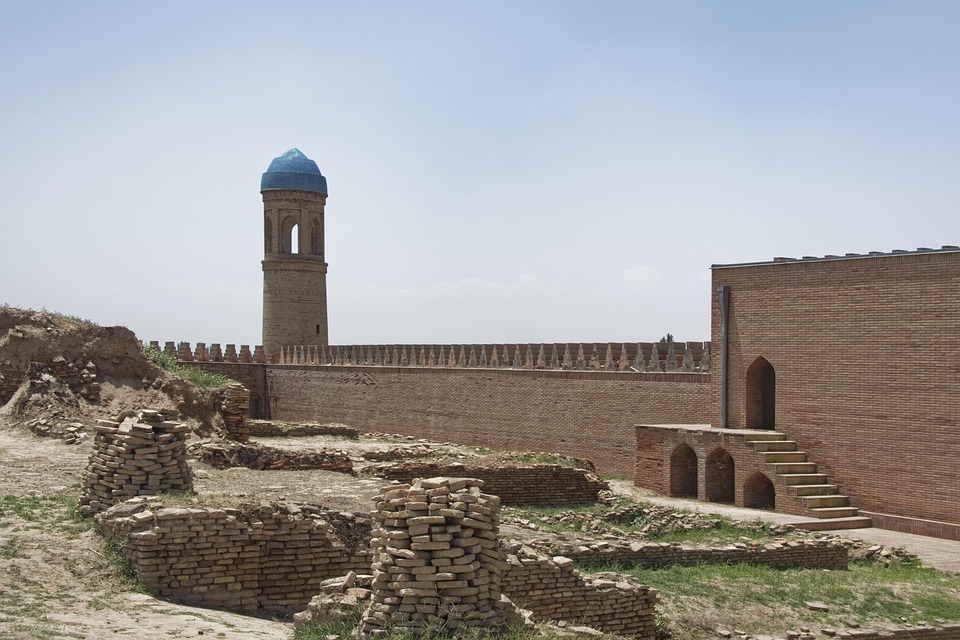
Tajikistan Unveiled: A Journey Through the Pamir Mountains and Beyond
Imagine a place where time seems to slow, the air feels untouched by modernity, and rugged, awe-inspiring landscapes stretch as far as the eye can see. Welcome to Tajikistan, a Central Asian gem that hides one of the world’s most dramatic natural spectacles: the Pamir Mountains. Often referred to as “The Roof of the World,” the Pamirs offer an unparalleled gateway to adventure, cultural discovery, and raw natural beauty.
In this article, we’ll take you on a journey through the Pamir Mountains and beyond, delving into Tajikistan’s rich culture, exhilarating trekking routes, stunning vistas, and the practicalities of travel in this remote corner of the world. By the end, you’ll not only be inspired to embark on this adventure but also equipped with the knowledge to make your Tajikistan journey an unforgettable one.
Discovering the Heart of Tajikistan: The Pamir Mountains
Tajikistan is a country that deserves more recognition on the global travel map, not merely for its historical significance as part of the Silk Road but for the sheer magnitude of its natural wonders. At the centre of this rugged beauty lies the Pamir Mountain range, a geographical marvel where peaks rise over 7,000 metres above sea level.
Why Visit the Pamir Mountains?
The Pamirs are more than just spectacular; they are alive with history and culture. Known as one of the most remote places on Earth, this region was pivotal in ancient trade, linking East and West along the Silk Road. Today, the area is a haven for adventurers and nature enthusiasts seeking to detach from the hustle and bustle of everyday life.
Highlights of the Pamirs:
- The Pamir Highway (M41): Regarded as one of the most breathtaking road trips in the world, the Pamir Highway winds through craggy mountains, high-altitude plateaus, and remote villages. It’s a bucket-list destination for road trip lovers.
- Pik Lenin: One of the tallest peaks in the Pamir range, Pik Lenin is a favourite among both seasoned climbers and first-time trekkers seeking high-altitude challenges.
- Iskanderkul Lake: Nestled amid mountains, this turquoise gem provides tranquil surroundings combined with fascinating folklore—legend holds this was where Alexander the Great’s horse drowned.
- Remote Villages: Villages like Langar, Khorog, and Murghab showcase the vibrant culture and hospitality of the Pamiri people. Community-based tourism is growing here, offering visitors a chance to intimately experience local life.
Cultural Encounters in the Pamirs and Beyond
The Pamir Mountains are not just a draw for their physical beauty—what truly sets this region apart is its culture. The ethnic Pamiris speak unique Eastern Iranian dialects, adhere predominantly to the Ismaili sect of Islam, and uphold centuries-old traditions. While Tajikistan as a whole honours diverse cultural customs, the highland communities of the Pamirs stand proudly as a cultural microcosm.
Unique Cultural Practices You’ll Encounter
- Hospitality: Tajiks are known for their warmth and generosity. Expect to be invited into homes for tea, bread, and traditional lamb stews.
- Music and Dance: The Pamiri people preserve ancient folk music traditions, often performed with the rubab (a string instrument) during celebrations and festivals.
- Storytelling Legends: From tales of Marco Polo’s exploration to legends about ancient civilisations, you’ll hear fascinating stories passed down through generations.
The Pamir Highway: A Road Trip Like No Other
No journey to Tajikistan is complete without traversing the world-famous Pamir Highway. Also known as the M41, this legendary route snakes its way through some of the world’s most challenging yet rewarding terrains.
Quick Facts about the Pamir Highway:
- Length: 1,252 km (778 miles), connecting Dushanbe in Tajikistan to Osh in Kyrgyzstan.
- Altitude: At its highest point, the Ak-Baital Pass, the highway reaches an elevation of 4,655 metres.
- Conditions: The roads are rugged, often poorly maintained, and require a capable vehicle for safe travel.
Popular Stops Along the Pamir Highway
- Khorog: The main gateway to the Pamirs, Khorog is an excellent base to stock up on supplies, enjoy local markets, and learn about the region’s history.
- Wakhan Corridor: Journey along the Wakhan Valley for jaw-dropping views of Afghanistan’s Hindu Kush Mountains, just across the Panj River.
- Murghab: Located at a whopping 3,650 metres, this settlement offers stark yet striking landscapes and access to nomadic Kyrgyz communities.
Pro Tip:
Plan at least 7-10 days for the Pamir Highway to fully immerse in the experience without rushing. Adventure enthusiasts can self-drive (rent a 4WD), while others may opt to hire experienced local drivers familiar with the winding roads.
Trekking in the Pamir Mountains: What You Need to Know
For trekkers, Tajikistan is an unspoiled paradise with jaw-dropping backdrops—and the Pamirs are undoubtedly the crown jewel.
Popular Trekking Routes
- Fann Mountains: Though outside the Pamir region, the Fann Mountains are worth considering for their serene alpine lakes like Alaudin and Kulikalon.
- Pamir Plateau to Karambar Pass: Crossing the tundra-like plateaus, this trek is a true wilderness challenge, with minimal human settlements en route.
- Grum Grijmailo Glacier Trek: Adventurers can marvel at the ancient glaciers that continue to carve away at the Pamir’s rocky surfaces.
These routes require fitness, preparation, and high-altitude acclimatisation, but the payoff is worth every step.
Practical Trekking Tips:
- Permit Requirements: A Tajik visa and a GBAO (Gorno-Badakhshan Autonomous Region) permit are mandatory for travelling in the Pamirs.
- Best Time to Visit: July to September offers the most stable weather, though snow can linger in high passes well into the summer.
- Local Guides: Hiring guides is recommended, both for navigation and cultural understanding.
Wildlife and Biodiversity
Tajikistan houses an impressive array of wildlife, much of which is endemic to the region. Keep your eyes peeled for:
- Snow Leopards: While sightings are rare, the Pamirs remain one of the last great strongholds of this elusive species.
- Marco Polo Sheep: Known for their incredible spiral horns, these sheep are icons of the Pamir Mountains.
- Birdwatching: The region boasts over 500 recorded bird species, from golden eagles to Himalayan snowcocks.
Practical Travel Advice for Tajikistan
Getting There and Around
- Flights: The capital city, Dushanbe, is the main entry point, with limited international connections. Many travellers transit via Dubai, Istanbul, or Moscow.
- Transportation: Public buses are rare; shared taxis and hired vehicles dominate.
Pro Tip: If you lack time or expertise in organising your itinerary, Nihosi Travels & Tours offers tailored experiences that simplify logistics while maximising cultural immersion.
Accommodation Options
- In the Pamirs, accommodation is basic but charming. Traditional homestays are common, providing a chance to interact with locals.
- Hostels and guesthouses in larger towns like Dushanbe and Khorog offer affordable options for budget travellers.
FAQ Section: Answering Common Questions (Optimised)
json
The Road Less Travelled Awaits
In a world teeming with tourist hotspots, Tajikistan stands as a testament to the extraordinary. From the windswept plateaus that define the Pamir Mountains to the rich cultural treasures of its people, this underexplored nation has the power to awaken a deeper sense of connection with nature and with humanity.
So, load up your rucksack, prepare for altitude, and allow the Pamirs to unveil themselves—one rugged step, one stunning vista, and one soul-enriching encounter at a time.
By creating a foundation of unmatched adventure and cultural richness, Tajikistan is destined to rise as one of the world’s next great travel frontiers. Ready to make the leap? Secure your unforgettable journey today with Nihosi Travels & Tours, the experts in turning dreams into reality.
Happy exploring!









Subscribe To Our Newsletter
Join our mailing list to receive the latest news and updates from our team.
You have Successfully Subscribed!