
Have you ever considered Sudan as your next travel destination? If not, you’re missing out on one of the most awe-inspiring yet underrated corners of the globe. Sudan, tucked away in North-East Africa, boasts stunning landscapes, ancient archaeological wonders, and vibrant cultural experiences that rival the most popular destinations around the world.
While many travellers gravitate toward blockbuster hotspots like Egypt or Morocco, Sudan offers a refreshingly untapped allure that guarantees adventure without the overwhelming crowds. Explore towering pyramids, desert oases, and the warm hospitality of Sudanese locals. In this guide, we’ll dive into Sudan’s hidden gems, show you why it’s a must-visit country, and provide actionable tips for planning the perfect trip to this extraordinary destination.
Read on to uncover why Sudan deserves to feature firmly on your travel bucket list.
An Introduction to Sudan: Beyond First Impressions
Sudan may not immediately spark excitement in the mind of a traveller unfamiliar with its delights. However, under its rugged deserts and vast savannahs lie treasures waiting to be discovered. Picture this: more pyramids than Egypt, a rich tapestry of Nubian and Arab cultures, and untouched natural wonders like the Nile’s roaring cataracts.
A Brief Snapshot of Sudan
Sudan is the third-largest nation in Africa, bordered by Egypt to the north, the Red Sea to the east, and Chad to the west. Its geography is as varied as it is vast, ranging from the deserts of the north to the lush savannahs of the south. Historically, Sudan is the cradle of numerous ancient civilisations, most notably the Kingdom of Kush, which ruled parts of the Nile Valley and left behind jaw-dropping monuments.
Historical Wonders: Walk Through Time
Sudan is an absolute treasure trove for history buffs, with archaeological sites that rival those of neighbouring Egypt but with a fraction of the crowds.
1. The Ancient Pyramids of Meroë
If you thought Egypt had a monopoly on pyramids, think again. The arid sands of Meroë in Sudan are home to over 200 pyramids, making this UNESCO World Heritage site one of the most spectacular archaeological destinations in the world. Built by the rulers of the Kingdom of Kush, these remarkably well-preserved structures feature steep, angular designs quite distinct from their Egyptian counterparts.
Quick Tip: To avoid the midday heat, plan your visit early in the morning or late in the afternoon. Be sure to hire a local guide for in-depth stories about Kushite history.
2. Gebel Barkal
Located in northern Sudan, this sacred mountain and its surrounding temples and pyramids were once at the heart of the Napatan Empire. Gebel Barkal has a mystical aura, radiating ancient energy that’s palpable as you wander through the ruins. The views from the peak of the mountain are breathtaking, offering a sweeping panorama of the desert and the vast Nile below.
3. Kerma’s Archaeological Legacy
Kerma is one of the oldest urban settlements in Africa, and its ruins are a living testament to ancient Sudanese craftsmanship. The site includes the Deffufa, a mud-brick temple that remains an architectural marvel to this day.
Natural Beauties: Landscapes That Speak to the Soul
Sudan isn’t just about its historical allure. It offers landscapes so diverse and breathtaking that nature lovers will feel like they’ve uncovered a hidden paradise.
4. The Red Sea: A Diver’s Sanctuary
If you’re into diving or snorkelling, Sudan’s pristine portion of the Red Sea should be at the top of your list. The waters are crystal-clear, teeming with vibrant coral reefs and marine life. Unlike the busy Egyptian Red Sea coast, Sudan’s dive spots are untouched and serene. Sanganeb Marine National Park is a highlight for underwater adventurers, offering encounters with dolphins, manta rays, and even sharks.
Pro Travel Hack: Consider booking a liveaboard cruise for a multi-day diving experience, allowing access to isolated dive sites like Shaab Rumi.
5. The Nubian Desert
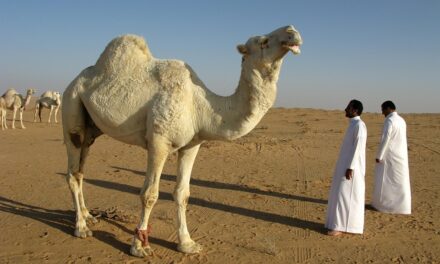
Imagine rolling sand dunes, star-filled skies, and complete tranquillity—the Nubian Desert offers all that and more. Embark on a desert safari to witness the magical serenity of Sudan’s northern landscape. Whether you’re riding camels or venturing by 4×4, the desert will leave an indelible mark on your soul.
6. The Cataracts of the Nile
Sudan’s Nile is both majestic and powerful, punctuated by six stunning sets of rapids known as cataracts. The fourth cataract, located near Atbara, is particularly captivating, offering opportunities for photography and boat rides.
Cultural Encounters: Where Tradition Meets Warmth
Sudan’s hospitality is world-renowned, with visitors often commenting on the extraordinary warmth of the Sudanese people. From shared meals to intimate conversations over a cup of Sudanese coffee, the local culture invites you in with open arms.
7. Nubian Villages
Nestled along the Nile’s shores, Nubian villages are a tapestry of vibrant colours, mud-brick walls, and smiling locals. Visit one to experience traditional music, food, and crafts. The Nubians are famous for their generosity, often inviting visitors to share meals in their homes.
8. Khartoum: A Glimpse Into Modern Sudan
The bustling capital of Khartoum combines old-world charm with modern urban chaos. Visit the Omdurman Souq for a sensory explosion of spices, textiles, and traditional crafts. And don’t miss the weekly dervish dance ceremonies, where Sufi practitioners whirl hypnotically in a spiritual trance.
Practical Tips for Exploring Sudan
To make the most of your visit, some advance preparation is essential. Here’s everything you need to know:
Travel Logistics
- Getting There: Sudan’s Khartoum International Airport is the primary entry point. Connect via major hubs like Cairo or Addis Ababa.
- Visa Requirements: Most nationalities require a visa to enter Sudan. Contact your local Sudanese embassy well in advance.
Best Time to Visit
The ideal travel months are between November and February when temperatures are cooler and more comfortable for outdoor exploration.
Safety and Etiquette
- Sudan is generally safe for tourists, but it’s vital to stay updated on the political situation.
- The country is conservative. Dress modestly, and respect local customs, particularly in rural areas.
Local Cuisine You Must Try
Sudan’s food scene is a delightful fusion of African and Middle Eastern influences. Popular dishes include:
- Ful Medames: A hearty dish of fava beans, garlic, and spices.
- Kisra: A sourdough bread that pairs perfectly with stews.
- Tamiyya: Sudan’s take on falafel, made with local herbs.
Why Book With Nihosi Travels & Tours?
Sudan’s raw beauty and logistical challenges mean travelling with an experienced guide is invaluable. Nihosi Travels & Tours (www.nihositravels.com) specialises in tailored packages to ensure you get the most out of your Sudan experience. From pyramids to diving expeditions, they know the hidden trails and insider secrets that will elevate your journey.
Frequently Asked Questions (FAQ)
1. Is Sudan Safe for Tourists?
Yes, Sudan is generally safe, but travellers should remain cautious and informed about current events.
2. What Makes Sudan Different From Egypt?
While both boast ancient pyramids, Sudan offers quieter, more intimate experiences without the large crowds.
3. What Languages Are Spoken in Sudan?
Arabic is the official language, though English is often spoken in urban areas.
Final Thoughts: Unlocking Sudan’s Mystique
Sudan offers a wealth of untold stories, breathtaking scenery, and unparalleled cultural experiences. For the traveller who craves adventure and a deeper connection to history and landscapes, this hidden gem is calling your name.
So, what are you waiting for? Pack your bags, plan your trip, and let Nihosi Travels & Tours take you on a journey into the heart of Sudan!











Subscribe To Our Newsletter
Join our mailing list to receive the latest news and updates from our team.
You have Successfully Subscribed!