
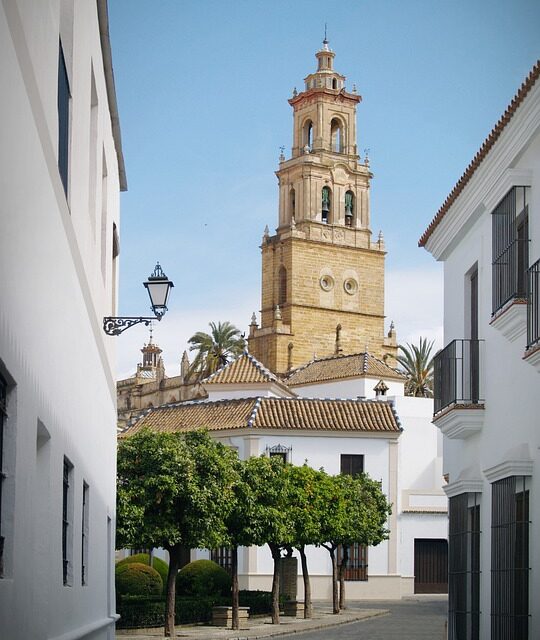
Spain is a country bursting with vibrancy, history, and cultural treasures. Yet, for every bustling tourist hotspot like Barcelona’s Sagrada Familia or Madrid’s Prado Museum, there are countless hidden gems tucked away from the tourist crowds. These lesser-known treasures remain a closely guarded secret by locals, offering visitors unique and authentic experiences that reveal Spain’s true charm.
In this article, we’ll unveil Spain’s best-kept secrets, sharing awe-inspiring places only locals know. These hidden destinations are worth adding to your travel itinerary. Whether you’re planning your first trip or returning to discover a new side of Spain, prepare to uncover magical spots brimming with history, natural beauty, and cultural authenticity.
Why Discovering Spain’s Hidden Gems is a Must
Many travellers stick to Spain’s famous cities and sights. While those iconic destinations certainly have their allure, some of the country’s most rewarding experiences lie off the beaten path. Exploring these hidden gems offers:
- An authentic taste of Spanish culture: Tapas, traditions, and festivals often shine brightest in lesser-known villages and towns.
- Avoidance of tourist crowds: Escape the hustle and bustle of popular attractions and enjoy a peaceful travel experience.
- Unique photographic moments: Capture rare landscapes and sites that few others have seen.
- Personal connections: Smaller communities tend to offer warmer and more personal interactions with locals.
Ready to stray from the mainstream? Let’s dive into Spain’s hidden wonders.
The Secret Treasures of Spain
1. Ronda: The City on a Gorge
Hidden in the Andalusian hills, Ronda is a breathtaking town divided by a dramatic gorge. While tourists flock to nearby Seville and Granada, Ronda remains relatively quiet, making it the perfect hidden retreat.
- Why you’ll love it: The town’s iconic Puente Nuevo bridge appears like something out of a fairy tale, perched above the 120-metre-deep El Tajo Gorge. Explore ancient ruins, walk its charming streets, and sip fine Andalusian wines at local bodegas.
- Don’t miss: The Arab Baths and Mondragon Palace are steeped in history.
- Travel tip: Visit in spring to witness the area’s vibrant wildflowers.
2. Cíes Islands: The Caribbean of Spain
Most travellers mistakenly think Spain’s best beaches are in the Balearic Islands, but locals rave about the Cíes Islands, a pristine paradise off the coast of Galicia. These islands are part of a protected natural reserve, ensuring their unspoiled beauty.
- Why you’ll love it: With powdery white sands, turquoise waters, and lush greenery, Cíes offers an idyllic escape from daily life. In fact, Playa de Rodas has been described as “the best beach in the world.”
- Don’t miss: The Monte Faro trail offers mesmerising panoramic views of the Atlantic Ocean.
- Travel tip: Since access to the islands is restricted, book ferry tickets in advance, especially during summer.
3. Frigiliana: Andalusia’s Most Beautiful White Village
Nestled in the hills of Málaga province, Frigiliana is a postcard-perfect pueblo blanco (white village) with cobblestone streets, colourful flower pots, and Moorish architecture.
- Why you’ll love it: You’ll find yourself transported to another era as you wander Frigiliana’s labyrinthine alleys. The town exudes romance and tranquillity, offering a peaceful retreat from busier Costa del Sol destinations.
- Don’t miss: Explore the historic Moorish fortress, now in ruins, and enjoy breathtaking views of the Mediterranean Sea.
- Travel tip: Visit in early September for the Festival of Three Cultures, a celebration of the town’s Muslim, Jewish, and Christian heritage.
4. Setenil de las Bodegas: The Cave Town
If you’ve never heard of Setenil de las Bodegas, you’re in for a treat. This one-of-a-kind village in Cádiz province is built directly into massive rock formations, making its architecture truly remarkable.
- Why you’ll love it: Where else can you dine or sip wine under overhanging rocks that have formed natural shelters for centuries? The contrast between ancient caves and sunlit streets creates a surreal charm.
- Don’t miss: Try tapas at one of the cave bars along Calle Cuevas del Sol.
- Travel tip: This village is small – spending a half-day here is usually enough to explore its stunning views and quirky architecture.
5. Las Médulas: Spain’s Ancient Gold Mines
Few tourists venture to León, home to Las Médulas, a UNESCO World Heritage Site that bears witness to ancient Roman gold mining.
- Why you’ll love it: Red-hued mountains and jagged peaks create an otherworldly landscape. The ancient tunnels and pathways carved into the mountains during the Roman period are fascinating to explore.
- Don’t miss: Hike to the Orellán viewpoint for a jaw-dropping panoramic view of this geological wonder.
- Travel tip: Avoid midday visits during the summer to escape the heat and enjoy better lighting for photography.
6. Albarracín: A Medieval Masterpiece
Time seems to stand still in Albarracín, an enchanting village in the Teruel region. This perfectly preserved medieval hilltop town boasts winding streets and pink-hued buildings straight from a storybook.
- Why you’ll love it: The town’s isolation and timeless atmosphere make it an ideal destination for romance and reflection.
- Don’t miss: Stroll along Albarracín’s ancient walls for breathtaking views of the surrounding countryside.
- Travel tip: The region is stunning in autumn when the foliage adds vibrant colours to the landscape.
7. Garajonay National Park: A Mystical Forest
Situated on the island of La Gomera in the Canary Islands, Garajonay National Park is a dense laurel forest shrouded in mist. It feels more like an enchanted woodland than a typical Spanish destination.
- Why you’ll love it: Walking through this UNESCO World Heritage Site is like stepping into another world. Towering tree canopies and emerald ferns whisper stories of ancient ecosystems.
- Don’t miss: Hike the Los Roques trail to see the park’s unique volcanic rock formations.
- Travel tip: Pack sturdy walking shoes and a light jacket – the forest can be cool and damp, even in summer.
8. Cadaqués: Salvador Dalí’s Favourite Seaside Village
Nestled on the Costa Brava, Cadaqués is an idyllic coastal village renowned for inspiring Salvador Dalí’s surrealist masterpieces.
- Why you’ll love it: Picture-perfect whitewashed buildings, crystal-clear waters, and a bohemian vibe make Cadaqués irresistible. It’s a haven for art lovers seeking peace and creativity.
- Don’t miss: Visit Dalí’s former home in nearby Port Lligat, now a museum.
- Travel tip: The winding road to Cadaqués is challenging, but the journey is worth the reward at the end.
9. Sierra de Cazorla: A Hidden Natural Paradise
If you love outdoor adventure, the Sierra de Cazorla in Jaén province is one of Spain’s best-kept secrets. The area is part of the largest protected natural space in Spain, the Sierras de Cazorla, Segura y Las Villas Natural Park.
- Why you’ll love it: From dramatic waterfalls and turquoise reservoirs to lush pine forests, the scenery here is awe-inspiring. It’s the perfect destination for hiking, kayaking, and wildlife spotting.
- Don’t miss: The Guadalquivir River runs through the park, providing incredible riverside trails.
- Travel tip: Try local specialties like wild boar stew at nearby village restaurants.
Travel Like a Local: Essential Tips
- Time Your Visit: Many hidden gems are relatively quiet year-round, but avoid national holidays when even locals flock to these spots.
- Prioritise Local Experiences: Get local recommendations for the best bars, restaurants, and festivals. A quick chat with a local can uncover treasures you won’t find online.
- Don’t Rush: One of Spain’s greatest cultural values is tranquilidad – the art of taking things slow. Embrace it!
FAQ (Frequently Asked Questions)
1. When is the best time to visit Spain’s hidden gems?
The best time is spring (April-May) or autumn (September-October), when the weather is pleasant, and destinations are less crowded.
2. What are some unique experiences in rural Spain?
Try staying in a countryside guesthouse (casa rural), participating in local festivals, or learning traditional crafts like pottery or flamenco.
3. Are these hidden destinations accessible by public transport?
While some places (like Ronda or Cadaqués) are accessible by bus or train, others may require renting a car.
4. Are hidden gems more affordable than tourist hotspots?
Yes! Many lesser-known destinations have lower accommodation and dining costs compared to major cities.
Unveiling these hidden gems of Spain ensures a trip you’ll never forget. Whether you’re a history buff, nature lover, or cultural enthusiast, these unique locations offer something magical for everyone. For more tips and travel inspiration, visit Nihosi Travels & Tours to curate the perfect Spanish adventure.
Happy exploring! ☀️










Subscribe To Our Newsletter
Join our mailing list to receive the latest news and updates from our team.
You have Successfully Subscribed!