
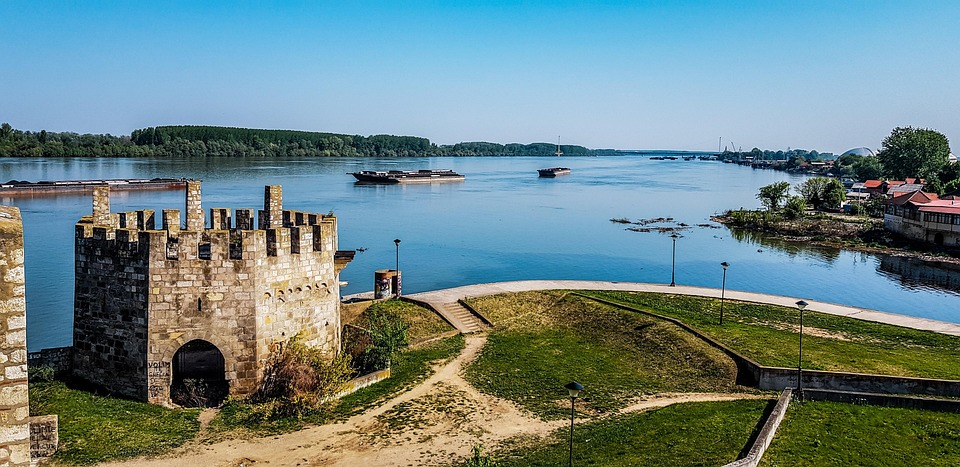
Serbia Travel Guide: Best Places to Visit and Travel Tips
Located in the heart of the Balkans, Serbia offers a fascinating combination of historic cities, lively cultural scenes, beautiful landscapes and welcoming local traditions. From the riverside streets of Belgrade to the dramatic viewpoints of Uvac Canyon, the country provides a variety of experiences for travellers interested in history, food, architecture, outdoor adventures and everyday local life.
Serbia can also be an appealing option for travellers looking to explore Europe beyond its most familiar destinations. Its cities feature historic fortresses, lively cafés and distinctive architecture, while its countryside reveals forested mountains, winding rivers, traditional villages and peaceful natural retreats.
Whether you are planning a short city break, a nature-focused holiday or a longer journey through the Balkans, Serbia offers plenty of opportunities to create an itinerary suited to your interests. This Serbia travel guide covers the best places to visit, experiences to consider, local food to try, transportation options and practical advice to help you plan your trip.
Why Visit Serbia?
Serbia combines historical significance with a contemporary atmosphere. Its past has been shaped by Roman, Byzantine, Ottoman, medieval Serbian and Austro-Hungarian influences, leaving a diverse architectural and cultural heritage across the country.
In Belgrade, visitors can explore historic fortifications before spending an evening in lively restaurants or cafés. Novi Sad offers elegant architecture and a relaxed riverside setting, while Niš provides insight into the region’s Roman and Ottoman history. Beyond the cities, national parks, mountain resorts and river valleys create opportunities for hiking, photography, wildlife observation and outdoor recreation.
Several features make Serbia worth considering for a varied European trip:
- Historic attractions: Discover fortresses, archaeological sites, churches, monasteries and museums that reflect different periods of Serbian history.
- Distinctive city experiences: Explore pedestrian streets, traditional restaurants, galleries, markets and contemporary cultural venues.
- Natural landscapes: Visit forested mountains, dramatic river canyons, lakes, hiking trails and scenic viewpoints.
- Regional cuisine: Sample grilled dishes, savoury pastries, dairy specialities, seasonal produce and regional desserts.
- Outdoor activities: Depending on the location and season, enjoy hiking, cycling, skiing, kayaking and organised excursions.
- Balkan connections: Serbia can form part of a wider itinerary through southeastern Europe, subject to transport connections and border requirements.
Costs vary by destination, season and travel style. While some parts of Serbia may offer better value than popular Western European destinations, accommodation prices, transport fares and attraction costs should always be checked for your intended travel dates.
Best Places to Visit in Serbia
1. Belgrade: Serbia’s Lively Capital
Belgrade is an excellent starting point for a journey through Serbia. Situated near the meeting point of the Sava and Danube rivers, the capital brings together historic landmarks, neighbourhood cafés, museums, shopping streets and a well-known nightlife scene.
The city has a distinctive atmosphere, with older buildings and traditional streets sitting alongside modern developments and contemporary cultural spaces. You can spend a morning exploring its history, an afternoon relaxing by the river and an evening enjoying Serbian food or live entertainment.
Top things to do in Belgrade
- Explore Belgrade Fortress and Kalemegdan Park: Walk through the historic fortress complex, discover its fortifications and enjoy views across the rivers. The surrounding park is also a popular place to relax and stroll.
- Walk through Skadarlija: This historic quarter is known for its traditional atmosphere, restaurants, cobbled streets and connections to Belgrade’s artistic and literary past.
- Discover the riverside areas: Explore promenades, cafés and leisure spaces along the Sava and Danube. Conditions and available activities vary by location and season.
- Visit museums and cultural attractions: Choose museums, galleries and historic sites that match your interests, checking opening hours and ticket requirements before visiting.
- Relax at Ada Ciganlija: This recreational area around an artificial lake offers opportunities for walking, cycling and seasonal waterside activities.
- Experience the evening atmosphere: Belgrade has a broad nightlife scene, from relaxed cafés and restaurants to music venues and riverside entertainment.
Belgrade also works well as a base for day trips and onward travel. However, if you want to explore remote natural areas or several other Serbian cities, allow enough time for intercity journeys rather than treating every destination as a quick excursion.
Travel tip: Wear comfortable shoes for exploring the historic centre, and check the distance between attractions before planning a full day on foot. If nightlife is part of your itinerary, confirm transport options for your return journey, especially late at night.
2. Novi Sad: Riverside Charm and Cultural Heritage
Novi Sad, located on the Danube River in northern Serbia, is known for its relaxed atmosphere, historic architecture and cultural life. The city was a European Capital of Culture in 2022, and its museums, galleries, public spaces and creative venues continue to attract visitors.
Compared with the pace of the capital, Novi Sad can feel more leisurely. Its central streets are well suited to walking, and the surrounding region offers opportunities to explore local food traditions, vineyards and the landscapes of the Vojvodina plain.
Top things to do in Novi Sad
- Visit Petrovaradin Fortress: Located across the river from the central city, the fortress is one of Novi Sad’s best-known landmarks. Explore its historic surroundings and enjoy views of the Danube and the city.
- Walk through the city centre: Discover the main squares, historic façades, churches, shops and cafés at a comfortable pace.
- Relax in Dunavski Park: This central green space provides a pleasant break between sightseeing stops.
- Explore museums and galleries: Learn more about regional art, history and cultural traditions through the city’s exhibitions and institutions.
- Sample Vojvodina cuisine: The region’s culinary traditions reflect a mixture of Serbian and Central European influences, including Hungarian and Austrian elements.
- Explore the surrounding region: Depending on your interests, consider nearby towns, rural landscapes and wine-producing areas.
Novi Sad is also associated with the EXIT Festival, a major music event historically held at Petrovaradin Fortress. Festival dates, venues, ticket availability and accommodation demand can change, so consult official event information before arranging a visit around a particular performance.
Travel tip: Novi Sad is a practical addition to an itinerary that begins in Belgrade. Check current train or bus schedules to choose the most convenient connection, and consider staying overnight if you want to explore the city without rushing.
3. Niš: A Journey Through Roman and Ottoman History
Located in southern Serbia, Niš is one of the country’s important historic cities. Its position along historic routes connecting different parts of Europe and the Balkans contributed to its strategic significance over many centuries.
The city is particularly interesting for travellers who want to understand Serbia beyond the capital. Roman history, Ottoman-era fortifications, significant memorial sites and a lively food culture make Niš a worthwhile stop on a wider journey.
Top things to do in Niš
- Explore Niš Fortress: Walk through the historic fortress and its grounds to see remnants of the city’s layered past.
- Visit Ćele Kula, or Skull Tower: This memorial site is associated with the Battle of Čegar and the Serbian uprising against Ottoman rule. It offers a sobering perspective on the region’s history.
- Learn about Constantine the Great: Niš is traditionally identified as the birthplace of the Roman emperor Constantine the Great. Travellers interested in Roman history can explore related heritage and archaeological sites in the wider region.
- Discover local streets and markets: Spend time exploring the city centre, public spaces and everyday local life.
- Try southern Serbian cuisine: Niš is known for grilled meat dishes and regional specialities served in traditional restaurants.
Niš can also serve as a convenient stop for travellers heading towards southern Serbia or exploring regional routes. The amount of time needed depends on whether you want a brief historical visit or a more relaxed stay.
Travel tip: Check the opening arrangements of individual historical attractions in advance. When visiting memorial sites, take time to understand their historical significance and observe any visitor guidelines.
4. Tara National Park and the Drina River: Serbia’s Natural Beauty
Tara National Park, in western Serbia, is a rewarding destination for travellers who enjoy forests, mountain scenery and outdoor exploration. Its landscape includes wooded slopes, viewpoints, wildlife habitats and walking routes that offer a different experience from Serbia’s larger cities.
The nearby Drina River is another highlight of the region. Known for its striking scenery and winding course, the river provides opportunities for photography, waterside relaxation and selected outdoor activities, depending on local conditions.
What to experience in Tara and the Drina region
- Explore forest trails: Choose a walking route suited to your fitness level and available time. Follow marked paths and local guidance, particularly in unfamiliar areas.
- Visit scenic viewpoints: Mountain overlooks offer opportunities to appreciate the region’s forests, valleys and surrounding landscapes.
- Photograph the Drina River House: The small house positioned on a rock in the Drina River near Bajina Bašta has become one of the region’s most recognisable photographic subjects. River levels and viewing conditions can vary.
- Enjoy outdoor activities: Depending on the season and local operators, visitors may find opportunities for guided walks, cycling, boating or other recreational experiences.
- Look for wildlife responsibly: Tara supports a range of wildlife and important forest habitats. Observe animals from a respectful distance and avoid disturbing sensitive areas.
Tara is often particularly attractive during periods when the weather is suitable for outdoor activities, but the best time depends on your priorities. Spring and early summer can bring fresh greenery, while autumn may offer changing foliage. Winter conditions can affect road access and hiking opportunities.
Travel tip: Research accommodation and transportation before arriving. Some attractions are spread across a large area, and a private vehicle or locally arranged transfer may be more practical than relying entirely on public transport. Check trail conditions and weather forecasts before setting out.
5. Uvac Canyon: Meandering Rivers and Dramatic Viewpoints
Uvac Canyon, in southwestern Serbia, is known for the striking curves of the Uvac River as it winds through a landscape of limestone cliffs and green hills. The unusual shape of the river creates some of the country’s most memorable natural viewpoints.
The area is especially appealing to photographers, hikers and nature enthusiasts. It offers a quieter experience than the country’s major urban destinations, although access and available services may be more limited.
Things to do around Uvac Canyon
- Visit Molitva Viewpoint: This well-known viewpoint provides a panoramic perspective of the river’s winding course. Check the route and access arrangements before setting out.
- Consider a guided boat excursion: Local operators may offer trips through sections of the canyon and nearby waterways. Routes, departure points, operating periods and inclusions vary.
- Observe birdlife: The wider area is known for its importance to griffon vultures. Wildlife sightings are never guaranteed, so observe quietly and follow local conservation guidance.
- Explore the surrounding countryside: The region’s hills and rural landscapes can be rewarding for travellers who enjoy photography and quieter outdoor experiences.
Uvac is not simply a city attraction that can be visited without preparation. Travel times, road conditions, walking routes and the distance between viewpoints should be considered when planning your day.
Travel tip: Arrange transport and any guided excursions in advance when possible. Bring suitable footwear, drinking water and weather-appropriate clothing, and avoid approaching cliff edges or leaving designated routes for photographs.
6. Kopaonik: A Mountain Destination Throughout the Year
Kopaonik is one of Serbia’s best-known mountain destinations. It is particularly associated with winter sports, but the surrounding mountain environment can also appeal to travellers interested in summer walks, fresh air and outdoor recreation.
During the winter season, visitors may come for skiing and snowboarding, depending on snow conditions and resort operations. In warmer months, hiking, cycling and opportunities to enjoy the mountain scenery can make the region an alternative to city-based travel.
What to do in Kopaonik
- Enjoy winter sports: If visiting during the ski season, check current snow conditions, lift operations, equipment rental availability and lesson options.
- Explore mountain trails: Select walking routes based on your experience and the current weather. Conditions can change quickly at higher elevations.
- Enjoy scenic breaks: Mountain accommodation, cafés and restaurants provide places to relax after outdoor activities.
- Plan a family holiday: Depending on the season, visitors may find activities suitable for different ages. Confirm age restrictions, equipment requirements and operating schedules before booking.
- Sample regional food: Look for hearty Serbian dishes and regional specialities in local restaurants.
Kopaonik’s atmosphere changes considerably between the winter sports season and quieter periods. Accommodation rates, available activities and transport arrangements may also differ, so compare the full cost of your preferred dates.
Travel tip: Pack according to the season and activity. For winter sports, confirm what equipment is included in any package. For hiking, check trail conditions and avoid relying on summer information when planning a winter visit.
7. Subotica and Palić: Architecture, Culture and Lakeside Relaxation
Subotica, in northern Serbia near the Hungarian border, is known for its distinctive Art Nouveau architecture and multicultural heritage. Its colourful façades and decorative details create a different architectural atmosphere from that of Belgrade or Niš.
The city is a good choice for travellers interested in architecture, regional history and a slower pace of sightseeing. Nearby Palić offers a lakeside setting that can complement a visit to the city.
Top things to do in Subotica and Palić
- Admire the architecture: Look for ornate façades, colourful decorative features and the distinctive design of buildings such as Raichle Palace.
- Visit Subotica Synagogue: This important architectural and cultural landmark is known for its richly decorated design. Check current visiting arrangements and respect the site’s religious and cultural significance.
- Explore the central streets: Spend time in public squares, cafés and local shops while discovering the city’s character.
- Visit Lake Palić: The nearby lake provides a setting for a leisurely walk and time outdoors. Available activities depend on the season and local conditions.
- Sample regional cuisine: Explore dishes influenced by the area’s Serbian and Hungarian culinary traditions.
Subotica can be included in a northern Serbia itinerary alongside Novi Sad and other parts of the Vojvodina region. If you are crossing into or out of neighbouring countries, check the appropriate border crossing and travel documentation requirements before departure.
Travel tip: Allow time to appreciate the architectural details rather than visiting only for photographs. If you want to explore both Subotica and Palić, check transport connections and opening hours to make the most of the day.
Serbian Food: What to Eat During Your Trip
Food is an important part of discovering Serbia. The country’s culinary traditions reflect Balkan influences alongside elements of Central European and Ottoman food cultures. Meals can range from quick bakery snacks to hearty restaurant dishes and regional specialities.
Trying local cuisine is also a useful way to experience everyday life beyond the main sightseeing attractions.
Serbian dishes to look for
- Ćevapi: Small grilled minced-meat sausages commonly served with flatbread, onions and accompaniments.
- Pljeskavica: A seasoned grilled meat patty often served in bread with various toppings.
- Kajmak: A rich dairy spread that may accompany bread and grilled dishes.
- Burek: A layered pastry that can contain meat, cheese or other fillings, depending on the style and bakery.
- Ajvar: A pepper-based spread commonly served alongside bread and savoury meals.
- Goulash and regional stews: These are worth looking for in areas where Central European culinary influences are prominent.
- Local bakery products and desserts: Bakeries and cafés provide opportunities to sample everyday snacks and sweet treats.
How to enjoy local food on a budget
Compare menus in several neighbourhoods rather than assuming that every restaurant near a major attraction offers the best value. Bakeries, casual eateries and traditional restaurants may provide different price points and portion sizes.
If you have dietary restrictions or food allergies, ask about ingredients and preparation methods. Some dishes contain meat, dairy, wheat or other ingredients that may not be obvious from the name alone.
Travel tip: Keep some flexibility in your food budget. Sampling regional dishes is part of the travel experience, and setting aside money for a few meals that interest you can make your trip more rewarding.
Best Time to Visit Serbia
The best time to visit Serbia depends on the experiences you want. City sightseeing, mountain activities, festivals and countryside exploration each have different seasonal considerations.
Spring
Spring can be a pleasant period for exploring cities, gardens and countryside landscapes. Temperatures vary, and rain can affect outdoor plans, so bring layers and check the forecast before travelling.
Summer
Summer is popular for outdoor activities, riverside visits and festivals. It can also bring hot weather and greater demand for accommodation in busy destinations. Reserve key services in advance if your travel dates coincide with major events or school holidays.
Autumn
Autumn can be appealing for city walks, regional food experiences and landscapes with changing foliage. Conditions vary between regions, and daylight becomes shorter as the season progresses.
Winter
Winter is particularly relevant for travellers interested in skiing and other snow-related activities in mountain areas such as Kopaonik. Cities offer a different experience during the colder months, but weather may affect transport and outdoor sightseeing.
Before booking, compare seasonal weather, public holidays, festival schedules, accommodation availability and transport arrangements. Do not rely on a single season as the ideal time for every part of the country.
How to Get Around Serbia
Choosing the right transport can make a significant difference to your itinerary. Larger cities and major routes offer more travel options, while rural attractions and natural areas may require additional planning.
Intercity trains and buses
Trains and buses can be useful for travelling between major urban destinations. The best option depends on the route, timetable, departure station, journey duration and luggage requirements.
Check current schedules through the relevant transport operator before departure. If your itinerary depends on a connection, allow enough time for delays or changes, particularly when transferring between different stations or services.
Local public transport
Public transport may be a practical way to explore parts of Belgrade and other cities. Check ticketing arrangements, operating hours and route information for your destination. If you arrive late at night or need to reach accommodation outside the central area, confirm your onward transport in advance.
Car rental
A rental car can offer flexibility for exploring mountain regions, rural villages and attractions that are not easily reached by public transport. However, include fuel, parking, tolls, insurance, deposits and any applicable fees in your calculations.
Before driving, confirm the driving licence requirements that apply to your nationality, any international driving permit requirements, insurance conditions and local road rules. Check winter equipment requirements if travelling in cold weather.
Taxis and transfers
Taxis and pre-arranged transfers can be useful for airport journeys, late arrivals and trips to remote accommodation. Confirm the fare or pricing method, pickup location and any additional charges before starting the journey.
Travel tip: If you are planning to visit Belgrade, Novi Sad, Niš and several natural destinations, compare the total cost and travel time of public transport with a rental car or organised excursion. The cheapest option for one journey may not be the most practical for an entire itinerary.
Currency and Budget Planning in Serbia
Serbia uses the Serbian dinar, abbreviated RSD. Although some travel-related services may display prices in another currency, everyday payments are generally made in dinars. Exchange rates and prices change, so check current information when preparing your budget.
Rather than relying on old estimates of daily costs, build a budget around your own travel plans. Accommodation type, restaurant choices, intercity transport, paid attractions and season can all influence how much you spend.
Ways to manage your money
- Estimate daily expenses: Research accommodation, meals, local transport and activities for each destination.
- Compare exchange rates: Check the rate and fees offered by your bank, card provider or authorised exchange service.
- Check card acceptance: Confirm whether your preferred payment method is accepted where you plan to visit.
- Keep some cash: A reasonable amount of local currency can be useful for small purchases and locations where cards are not accepted.
- Review additional charges: Check ATM fees, foreign transaction fees and currency conversion options.
- Keep a reserve: Set aside funds for unexpected costs rather than spending your entire budget on planned activities.
Serbia can offer a range of accommodation and dining options, from budget-friendly choices to premium experiences. Comparing current prices across several categories will give you a more reliable estimate than assuming the country is uniformly inexpensive.
Practical Travel Tips for Serbia
1. Check visa and entry requirements
Visa requirements depend on your nationality, passport type, purpose of travel, length of stay and sometimes your wider itinerary. Check official Serbian government or consular guidance before booking. If your journey includes other Balkan or European countries, confirm their entry and transit requirements separately.
2. Learn a few Serbian expressions
Serbian is the official language. English may be understood in many hotels, tourist businesses and urban settings, but language familiarity varies by location. Learning basic greetings and polite expressions can make everyday interactions easier.
3. Understand local customs
Serbia has diverse cultural and religious traditions. Dress respectfully when visiting religious sites, follow photography rules and observe local guidance at memorials and cultural landmarks.
4. Book major events and popular accommodation early
Festivals and major events can increase demand for hotels and transport. If your trip depends on a particular concert, festival or event, confirm the official schedule and book through reliable channels once your plans are settled.
5. Explore beyond the main cities
Belgrade and Novi Sad offer plenty to see, but smaller towns and rural regions provide a different perspective on Serbian life. Allow enough time to travel between places and research services in less populated areas.
6. Prepare for outdoor activities
Mountain trails, river excursions and remote viewpoints require more preparation than city sightseeing. Check weather forecasts, trail conditions, local access rules and the equipment recommended for your activity.
7. Use ordinary safety precautions
As with any destination, stay aware of your surroundings, protect valuables and use reputable transport providers. Keep copies of important documents securely accessible and know how to contact local emergency services or your travel insurer if needed.
For the latest information about safety, demonstrations, transport disruptions and local conditions, review official travel advisories before departure and during your stay.
Suggested Serbia Itinerary
If you are visiting Serbia for the first time, a balanced itinerary can combine urban culture with history and nature. The following outline is a starting point rather than a fixed schedule; adjust it to your arrival and departure times, transport connections and interests.
Days 1–3: Belgrade
Explore Belgrade Fortress, Kalemegdan Park, Skadarlija, museums and the riverside areas. Use one evening to experience the city’s restaurant or music scene, and keep some time free for neighbourhoods that interest you.
Days 4–5: Novi Sad and the surrounding region
Travel to Novi Sad, explore its historic centre and visit Petrovaradin Fortress. Depending on your schedule, add a visit to Palić or another northern destination, checking the extra journey time before committing.
Days 6–7: Niš
Explore Niš Fortress, Ćele Kula and the city centre. Sample local cuisine and allow time to understand the historical significance of the sites rather than rushing between attractions.
Additional days: Choose a nature destination
If you have more time, consider Tara National Park and the Drina River region, Uvac Canyon or Kopaonik. These destinations offer different experiences, but they are not interchangeable day trips from every city. Check distances, road conditions and available transport before deciding which one fits your route.
For a shorter holiday, it may be better to focus on Belgrade and one nearby destination instead of trying to cover the entire country. A more relaxed itinerary often gives you greater flexibility and reduces transport costs.
Planning a Wider Balkan Journey
Serbia can be included in a multi-country journey through the Balkans, with possible combinations involving destinations in Bosnia and Herzegovina, Montenegro and other neighbouring countries. The best route depends on the cities you want to visit, available transport services and the amount of time you have.
Before planning cross-border travel, check:
- Passport validity and visa requirements for every country on your route.
- Whether your nationality needs a visa for any transit or stopover.
- Current train, bus or flight connections between destinations.
- Border crossing arrangements and likely travel times.
- Rental vehicle restrictions and cross-border insurance permissions.
- Accommodation availability and any major events during your stay.
Do not assume that entry permission for one country automatically provides entry permission for another. Confirm the requirements that apply to your passport and complete itinerary before paying for non-refundable arrangements.
Frequently Asked Questions About Travelling to Serbia
1. Is Serbia worth visiting?
Yes, Serbia can be a rewarding destination for travellers interested in history, architecture, food, city life and nature. Belgrade, Novi Sad and Niš offer cultural attractions, while Tara National Park, Uvac Canyon and Kopaonik provide opportunities for outdoor experiences.
2. What are the best places to visit in Serbia?
Popular choices include Belgrade for its historic sites and nightlife, Novi Sad for its cultural atmosphere, Niš for its historical landmarks, Tara National Park for forests and mountain scenery, Uvac Canyon for river views, Kopaonik for mountain activities, and Subotica for Art Nouveau architecture.
3. How many days do you need in Serbia?
A short visit can focus on Belgrade and a nearby destination, while a longer trip allows time for several cities and natural areas. The ideal duration depends on your interests, transport arrangements and whether you plan to include other Balkan countries.
4. When is the best time to visit Serbia?
Spring and autumn can be suitable for city sightseeing and many outdoor activities. Summer is popular for festivals and outdoor recreation, while winter is relevant for skiing in mountain destinations such as Kopaonik. Conditions vary, so choose your dates according to your planned activities.
5. Is Serbia an affordable destination?
Serbia offers a variety of budget, mid-range and premium travel options. Actual costs depend on your travel dates, accommodation, transport, dining preferences and activities. Compare current prices rather than relying on general claims about affordability.
6. What currency is used in Serbia?
The official currency is the Serbian dinar (RSD). Check current exchange rates and the fees charged by your bank or payment provider before travelling.
7. Do I need a visa to visit Serbia?
Visa requirements depend on your nationality, passport type, purpose of travel and length of stay. Consult official Serbian government or consular guidance for the rules that apply to you before booking your trip.
8. Is English spoken in Serbia?
English may be understood in many hotels, tourist businesses and urban areas, but proficiency varies. Learning a few Serbian expressions and keeping your destination details available offline can be helpful.
9. Can I explore Serbia using public transport?
Public transport can be practical for some major cities and intercity routes. Remote natural attractions may require additional transfers, a rental car or an organised excursion. Check current schedules and journey times when planning your itinerary.
10. What food should I try in Serbia?
Consider trying ćevapi, pljeskavica, kajmak, burek and ajvar, along with regional specialities and local bakery products. Ingredients and preparation methods vary, so ask about them if you have dietary restrictions or allergies.
11. Is Serbia suitable for nature and adventure travel?
Serbia offers mountain landscapes, forests, river valleys and viewpoints that can appeal to outdoor enthusiasts. Activities may include hiking, cycling, skiing and selected water-based excursions. Check weather, local conditions, access rules and safety requirements before participating.
12. Can Serbia be combined with other Balkan countries?
Yes. Serbia can form part of a wider Balkan itinerary, depending on your available time and preferred destinations. Confirm cross-border transport, passport and visa requirements, and rental vehicle conditions before arranging the route.
Final Thoughts: Discover the Many Sides of Serbia
Serbia offers more than a city break. It brings together historic fortresses, cultural neighbourhoods, distinctive architecture, regional cuisine and landscapes that range from forested mountains to winding river canyons. Whether you are exploring Belgrade’s lively streets, discovering the heritage of Novi Sad and Niš, or enjoying the natural scenery of Tara and Uvac, there are many ways to experience the country.
The key to a rewarding trip is choosing destinations that match your interests and allowing enough time to enjoy them. Research transportation, compare accommodation options, check seasonal conditions and confirm entry requirements before finalising your plans. If you want to explore beyond the main cities, pay particular attention to travel times and access to rural attractions.
With thoughtful planning, Serbia can be a memorable part of a European holiday or a wider Balkan adventure. For help comparing flights, accommodation and tailored travel arrangements, Nihosi Travels & Tours can assist you in exploring options suited to your itinerary and budget.









Subscribe To Our Newsletter
Join our mailing list to receive the latest news and updates from our team.
You have Successfully Subscribed!