
Saudi Arabia Travel Trends: What Every Visitor Should Know
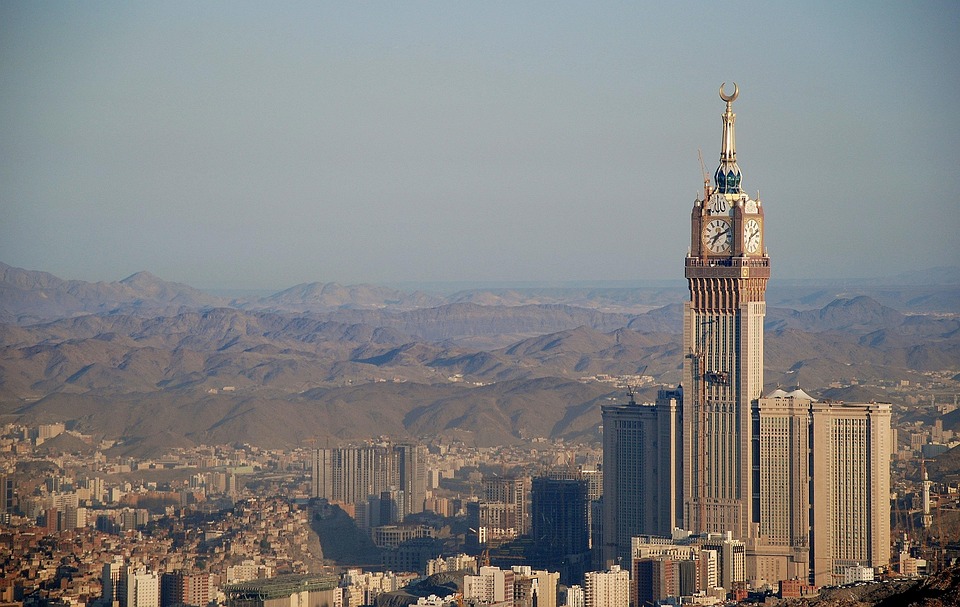
Saudi Arabia has gone from a country most travellers rarely considered to one of the fastest-growing tourism destinations in the world. Under its Vision 2030 plan, the Kingdom has opened its borders, simplified its visa system, and poured billions into hotels, heritage sites, and entertainment. The country has already passed its original goal of 100 million annual visits years ahead of schedule, and it’s now working toward an even bigger target of 150 million visits a year by 2030.
For travel agents and travellers alike, that means Saudi Arabia isn’t a “someday” destination anymore — it’s a live, moving market with new openings, new rules, and new experiences appearing constantly. Here’s a practical, up-to-date look at where Saudi tourism stands, what’s driving it, and what you actually need to know before booking a trip.
1. Cultural Tourism Is the Backbone of the Boom
Saudi Arabia’s cultural sites are the single biggest draw for international visitors, and they’re only getting more accessible.
Top Cultural Destinations
- AlUla: Often called a living museum, AlUla is home to Hegra, Saudi Arabia’s first UNESCO World Heritage Site, along with dramatic sandstone formations and Nabataean tombs. The Royal Commission for AlUla has steadily expanded visitor access, guided tours, and seasonal events here.
- Diriyah: Known as the birthplace of the first Saudi state, Diriyah’s historic At-Turaif district is a UNESCO World Heritage Site and continues to be restored and expanded, with traditional Najdi architecture, museums, and cultural venues opening in phases.
- Jeddah Historic District (Al-Balad): With its coral-stone houses, old souks, and narrow lanes, Al-Balad is another UNESCO-listed site and one of the most walkable, atmospheric parts of the country, now blending heritage with a growing contemporary art scene.
Pro Tip: Check the AlUla events calendar before you travel — the region regularly hosts festivals that combine music, art, and desert dining, and dates shift from year to year.
2. Sustainability Is Now Part of the Pitch
Saudi Arabia is trying to position itself as a destination that grows tourism without wrecking the landscapes that make it worth visiting. A few things worth knowing:
- The Red Sea Destination: A large luxury ecotourism development along the Red Sea coast, built around solar power and marine conservation. Several resorts here are already open and taking bookings, with more phases planned over time.
- NEOM and Trojena: NEOM is Saudi Arabia’s flagship futuristic mega-project, and Trojena is planned as a mountain and ski destination within it. Worth knowing: the Kingdom’s Public Investment Fund has said it is scaling back government funding for some of these giga-projects to focus more on private investment, so timelines here continue to shift — worth double-checking closer to any trip that depends on them.
- Hotel-Level Sustainability: A growing number of hotel groups across the country have cut single-use plastics, added recycling programs, and sourced more materials and food locally.
If sustainable travel matters to you, Saudi Arabia is worth watching — just confirm which specific eco-resorts and attractions are actually open before you build an itinerary around them.
3. Adventure Tourism Is Expanding Fast
Saudi Arabia has quietly become a genuine option for outdoor and adventure travellers, not just history buffs.
Where to Find the Action
- Asir Region: Green, mountainous, and cooler than most of the country, Asir has hiking trails, cable cars, and mountain villages that feel worlds away from the desert image most people have of Saudi Arabia.
- Edge of the World: A dramatic cliffside escarpment a few hours from Riyadh, popular for day hikes and sunset views.
- Red Sea Diving: The Red Sea coast has some of the best-preserved coral reefs anywhere, with a growing number of dive operators running eco-conscious excursions.
- Riyadh’s Desert Edge: Dune bashing, sandboarding, and stargazing camps are easy to book as day trips or overnight experiences from the capital.
Travel Tip for Adventurers
For a guided, tailor-made adventure itinerary anywhere in the Kingdom, “Nihosi Tours & Travels” puts together custom trips across these regions.
4. Food Is Becoming a Reason to Visit, Not Just a Side Note
Saudi Arabia’s food scene is having a real moment, with more fine dining, more food festivals, and more attention on traditional cooking.
What to Taste:
- Traditional Dishes: Don’t leave without trying kabsa (spiced rice with meat), mutabbaq (a stuffed savoury pastry), and ma’amoul (date- or nut-filled shortbread).
- International and Fine Dining: Riyadh and Jeddah now have a genuine high-end restaurant scene, with international chefs opening outposts and more recognised fine-dining spots each year.
- Food Festivals: Regional food festivals are becoming a regular fixture, often mixing local ingredients with global techniques.
Insider Tip: Don’t skip street food. Jeddah and Riyadh both have strong casual food scenes that are a far cheaper way to eat well than the big hotel restaurants.
5. Digital and Smart Tourism Tools Are Catching Up
Saudi Arabia’s tourism authorities have leaned hard into digital infrastructure to make the country easier to navigate for first-time visitors.
AI and Virtual Tours
- AI-Powered Apps: Several official and private tourism apps now offer recommendations, itinerary planning, and translation support aimed at international visitors.
- Virtual Previews: Some destinations, including AlUla, offer virtual tour content so travellers can preview a site before booking tickets.
Smart Hotels
Mobile check-in, digital room keys, and similar conveniences are increasingly standard at newer properties, particularly in flagship developments, making stays smoother for tech-savvy travellers.
6. Religious and Spiritual Tourism Keeps Growing
Umrah and religious travel remain one of the largest categories of visits to Saudi Arabia, and the process has become considerably smoother in recent years.
What’s Supporting Religious Tourism
- Simplified Booking: As part of Vision 2030, Umrah logistics have moved increasingly online, with digital permits, crowd-management tools, and e-visa access making the process more predictable than it used to be.
- More Context for Visitors: Historic Islamic sites and museums near Madinah increasingly offer guided and interactive experiences, giving pilgrims more historical context alongside the spiritual journey.
Religious travellers gain not only serenity but also a deeper understanding of the history behind their journey — making Saudi Arabia a genuinely transformative destination.
Frequently Asked Questions (FAQs)
To help you plan a hassle-free trip, here are answers to the most common questions:
1. Is Saudi Arabia safe for tourists?
Yes. Saudi Arabia is generally considered safe for international visitors, with a strong security presence, particularly around major tourist and religious sites. As with any destination, it’s worth checking your government’s current travel advisory before you go.
2. Do I need a visa to visit Saudi Arabia?
Most nationalities do, but the process has been simplified. Eligible travellers can apply through the official Saudi E-Visa portal, which typically issues an electronic tourist visa within a short processing window rather than requiring an embassy visit. E-visas generally allow multiple entries over a year, with stays of up to 90 days per visit. Eligibility varies by nationality, so check the official portal for your specific country before booking flights.
3. Are alcohol and Western attire allowed in Saudi Arabia?
Alcohol remains prohibited nationwide, including in hotels and for tourists. Dress codes have relaxed considerably for visitors, and standard modest, casual clothing is fine in most public places, though it’s respectful to dress more conservatively when visiting mosques and other religious sites.
4. When is the best time to visit?
The cooler months, roughly October through March, are the most comfortable for sightseeing, hiking, and desert activities. Summer travel is still possible but expect high heat, especially outside the mountainous Asir region.
5. How do I get to Saudi Arabia?
Riyadh, Jeddah, and Dammam all have major international airports with direct connections to Europe, Asia, Africa, and increasingly North America, so getting in is straightforward from most regions.
For more helpful resources and expert travel planning services, visit Nihosi Travels & Tours.
Conclusion
Saudi Arabia’s transformation into a thriving tourist destination is a journey worth watching closely. With diverse landscapes, cultural marvels, eco-friendly resorts, and growing digital convenience, travelling to Saudi Arabia promises to be an enthralling experience. Whether you’re after adventure, spirituality, or relaxation, the Kingdom offers something for everyone.
Start planning your trip today by exploring the resources on www.nihosi.com! Visiting Saudi Arabia today isn’t just about seeing a destination — it’s about witnessing a nation on the rise.











Subscribe To Our Newsletter
Join our mailing list to receive the latest news and updates from our team.
You have Successfully Subscribed!