

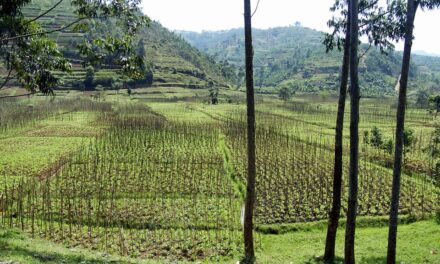
Rwanda, also known as the “Land of a Thousand Hills,” is fast becoming one of Africa’s most coveted travel destinations. Its lush rolling landscapes, rich culture, remarkable wildlife, and commitment to sustainability make it a paradise for both eco-conscious adventurers and history enthusiasts alike. Whether you’re drawn to the majestic mountain gorillas of Volcanoes National Park, the vibrant streets of Kigali, or the serene waters of Lake Kivu, a trip to Rwanda promises unforgettable experiences.
In this detailed guide, we’ll outline the must-see landmarks, insider tips to discover hidden gems, and practical advice for sustainable travel. Designed to equip you with everything you need for a perfect Rwanda itinerary, this article dives deep into the heart of this East African gem.
Why Visit Rwanda? A Glimpse Into the Land of a Thousand Hills
Nestled in the heart of East Africa, Rwanda’s appeal lies in its breathtaking natural beauty, vibrant culture, and forward-thinking sustainability initiatives. It’s one of the safest and cleanest countries on the continent, making it highly appealing for both solo travellers and families.
But beyond its picturesque landscapes and awe-inspiring wildlife, Rwanda is a hub for transformational travel. The country’s commitment to eco-tourism and its people-centred policies have set it apart from other tourist hotspots. So, whether you’re a wildlife enthusiast looking to connect with nature or someone keen to experience its rich history and remarkable recovery story, Rwanda offers it all.
1. Planning Your Rwanda Itinerary: Essentials for Every Traveller
When considering your perfect Rwanda travel itinerary, it’s vital to tailor your experiences to your interests. Here’s a step-by-step guide to planning your adventure:
A. Best Time to Visit Rwanda
- Dry Season (June to September & December to February): Perfect for gorilla trekking and wildlife safaris due to minimal rainfall.
- Wet Season (March to May & October to November): While the rains can make trekking challenging, this is the best time for birdwatching and enjoying lush vegetation.
B. Rwanda Entry Requirements:
- Visa: A Rwanda tourist visa is relatively easy to obtain. Most travellers can apply online for an e-visa.
- Health Requirements: A valid Yellow Fever vaccination certificate is essential. It’s also advisable to consult your doctor about malaria prevention.
C. Currency and Budget Tips:
- Currency: Rwandan Franc (RWF).
- Credit cards are accepted in major hotels, but cash is king in rural areas. Always carry smaller denominations.
- Budget: Mid-range trips average $150–250 per day, while luxury travellers may spend upwards of $500 daily.
2. Must-Visit Destinations in Rwanda
Every Rwanda itinerary must include a mix of iconic landmarks and lesser-explored gems. Below, we’ve categorised the highlights to help guide your trip.
A. Kigali: The City of Eternal Spring
Rwanda’s capital, Kigali, is often your entry point to the country, and it offers a harmonious blend of modernity and tradition.
- Kigali Genocide Memorial: A sobering yet necessary visit, this landmark honours those lost during the 1994 Genocide against the Tutsi. It’s a place of education, reflection, and hope for a united future.
- Nyamirambo Neighbourhood: Dive into local life by exploring Kigali’s vibrant heart. Guided tours here incorporate home-cooked meals and craft workshops.
- Kimironko Market: If you’re curious about Rwandan cuisine or looking for authentic souvenirs, this bustling market is a must-visit.
B. Volcanoes National Park: Gorilla Trekking Paradise
No trip to Rwanda is complete without trekking to meet the endangered mountain gorillas. Located in the north, Volcanoes National Park offers a life-changing encounter with these majestic creatures in their natural habitat.
-
Top Trekking Tips:
- Secure your permits ($1,500 per person) well in advance.
- Wear sturdy boots and bring waterproof gear—it’s often muddy!
- Opt for a porter; beyond helping with your bags, hiring a porter supports local livelihoods.
-
Beyond Gorillas: Don’t miss other wildlife-spotting opportunities, including golden monkey trekking and hiking Mount Bisoke.
C. Lake Kivu: Tranquillity on Water
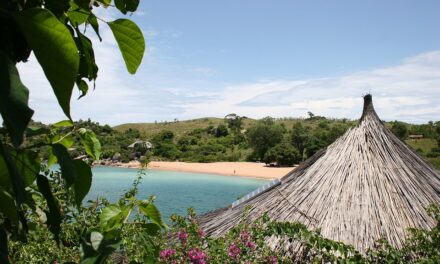
Spread across Rwanda’s western border, Lake Kivu provides a serene counterpoint to the more adventurous activities. Its sparkling waters and laid-back atmosphere are perfect for those seeking relaxation.
- Things to Do:
- Take a boat ride between Rubavu, Karongi, or Rusizi towns.
- Kayak along the lake’s shores or go paddleboarding.
- Discover remote islands like Napoleon Island, home to enormous colonies of fruit bats.
D. Akagera National Park: A Classic Safari Experience
Located in Rwanda’s east, Akagera is a safari lover’s dream. The Big Five (lion, leopard, rhino, elephant, and buffalo) roam freely here, alongside countless bird species.
- Insider Tip: Unlike other African parks, Akagera is uncrowded, meaning you’ll enjoy wildlife sightings without the throngs of tourists. Opt for a night game drive to spot nocturnal animals.
E. Nyungwe Forest National Park: Primates and Canopy Walks
This pristine rainforest in southwestern Rwanda is a biodiverse wonderland.
- Chimpanzee Trekking: See our closest relatives in their natural habitat.
- Canopy Walk: A suspension bridge soaring above the treetops allows for sweeping views and birdwatching.
3. Hidden Gems: Discover Rwanda’s Best-Kept Secrets
A. The King’s Palace in Nyanza
Travel back in time at the royal residence of the last Rwandan kings. The reconstruction of the traditional palace is both fascinating and educational.
B. Congo-Nile Trail
For those who love hiking or biking adventures, this extensive trail along Lake Kivu’s shores offers stunning views, local village experiences, and lush surroundings.
4. Sustainability in Rwanda: Travel Ethically
Rwanda is leading the way in promoting sustainable tourism. By making eco-conscious choices during your trip, you can help protect its precious natural and cultural assets.
A. Community-Driven Tourism
Choose tours and activities that are run by local communities. This ensures that tourist dollars benefit those who need them most.
B. The Ban on Plastic
Rwanda has one of the strictest bans on single-use plastics. Pack reusable water bottles, eco-friendly detergents, and cloth bags to reduce waste.
C. Accommodation Choices
Many lodges adhere to eco-friendly practices, from rainwater harvesting to solar energy use. Book locally-owned establishments like Bisate Lodge or Magashi Camp for memorable, sustainable stays.
FAQ Section
Below are some commonly asked questions to enhance your understanding of travel in Rwanda:
Q: What is Rwanda famous for?
A: Rwanda is most renowned for its mountain gorillas, sustainable tourism practices, and its remarkable post-genocide recovery.
Q: How safe is it to travel to Rwanda?
A: Rwanda is one of Africa’s safest destinations. The streets, even at night, feel secure, and crime rates are low.
Q: How should I dress in Rwanda?
A: Lightweight, modest clothing is recommended, particularly in rural areas. For gorilla trekking, sturdy boots, long trousers, and layered clothing are a must.
Q: Are there direct flights to Rwanda?
A: Kigali International Airport is well-connected with major cities globally, including Amsterdam, Nairobi, and Doha.
Q: Can I use US Dollars in Rwanda?
A: US dollars are widely accepted in cities and larger towns. However, local currency is required for smaller transactions.
Wrapping Up Your Rwanda Adventure
Rwanda is a destination like no other—a seamless blend of adventure, culture, and sustainability. By visiting landmarks, uncovering hidden gems, and practising ethical tourism, you’ll not only make memories to last a lifetime but also contribute to this resilient country’s continued growth. Whether it’s your first visit or your fifth, Rwanda always has fresh wonders awaiting discovery.
For expertly curated tours, consider teaming up with Nihosi Travels & Tours. From custom itineraries to unique local experiences, Nihosi ensures that your Rwandan adventure is as enriching as it is hassle-free.
By following this comprehensive itinerary guide, you’re not just planning a trip—you’re embarking on a meaningful journey. Safe travels in the Land of a Thousand Hills! 🌍









Subscribe To Our Newsletter
Join our mailing list to receive the latest news and updates from our team.
You have Successfully Subscribed!