
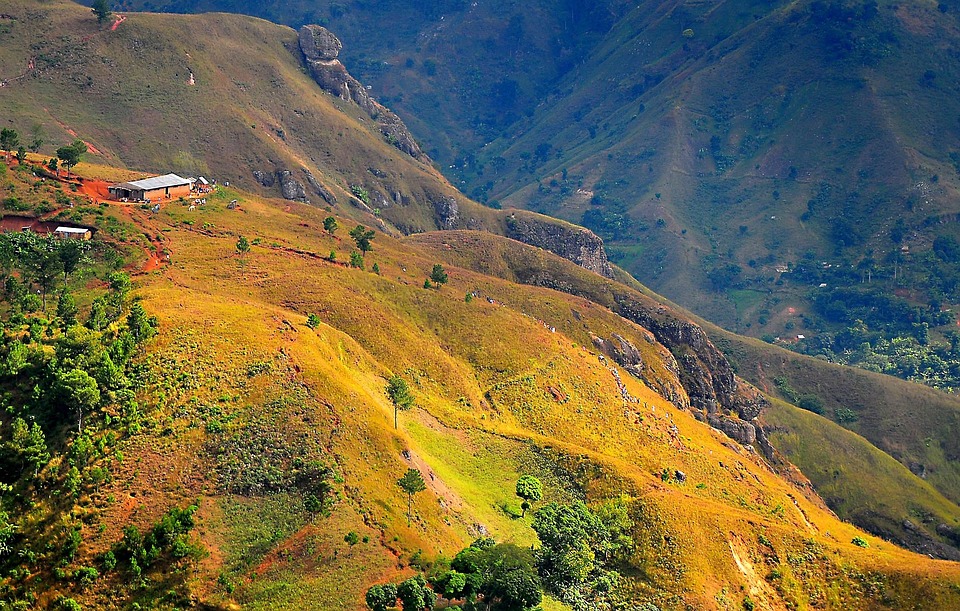
Haiti, the Caribbean’s often-overlooked gem, is brimming with stunning beaches, a rich cultural heritage, and experiences that rival any of its more popular neighbours, like the Bahamas or the Dominican Republic. While many still associate the country with outdated narratives, Haiti has been quietly flourishing as a travel destination of incomparable beauty and depth. From the turquoise waters of its idyllic coastlines to its vibrant, artistic core, visiting Haiti is an adventure that will not only enrich your senses but also change your perspectives.
In this article, we’ll uncover the charms, myths, lesser-known corners, and soulful experiences that make Haiti worth a place on your travel bucket list.
Haiti at a Glance: A Land of Contrasts and Culture
Before diving deep into what makes Haiti so unique, let’s briefly understand its context. Haiti shares the Caribbean island of Hispaniola with the Dominican Republic. It holds the distinction of being the first independent Black republic and boasts a history deeply intertwined with liberation movements and resilience.
Yet, Haiti is not just a land of stories; it is a living, breathing tapestry of life. Its blend of colonial French influences, Afro-Caribbean traditions, and distinctive Creole identity makes the country unlike anywhere else.
For the modern traveller, Haiti appeals to both those looking for serenity by the sea and those craving adventures into its mountains, art galleries, and bustling marketplaces.
1. Pristine Beaches: Paradise Beyond the Photos
It’s almost impossible to talk about Haiti without marvelling at its beaches, ranked among the best-kept secrets of the Caribbean. While many associate white sand beaches with popular island destinations like the Maldives or Jamaica, Haiti is quietly home to some of the most pristine coastlines on Earth.
Beaches You Need to Experience in Haiti
-
Labadee: The Ultimate Beach Experience
Privately operated by Royal Caribbean Cruises, Labadee epitomises Caribbean paradise with its turquoise waters, lush hills, and activities ranging from jet-skiing to zip-lining. Loved for its exclusivity, it’s the perfect place for relaxation if you’re visiting Haiti for the first time. -
Île-à-Vache: The Island of Peace and Reef Wonders
Known for its mystique, Île-à-Vache remains an untouched haven for nature lovers. It’s one of the most beautiful places to relax, snorkel around coral reefs, or learn about sustainable fishing with the locals. -
Jacmel’s Raymond Les Bains:
Situated near Jacmel, this beach is perfect for families. Offering cooler water and calmer conditions, it’s a favourite for picnics and sunset views. Beaches in Jacmel are also surrounded by Haiti’s famous art presence, making it ideal for combining exploration and relaxation. -
Cormier Plage:
Hidden away in the north, Cormier Plage is both romantic and restful. Paddleboarding, swimming, and dining on fresh seafood amidst tranquil scenery are some of its highlights.
Secret Insider Tip on Haitian Beaches:
Unlike other over-crowded beaches across the world, many beaches in Haiti are relatively undiscovered and rarely packed with tourists. This ensures a pure, unspoiled experience both on the sand and in the water.
2. A Treasure Trove of History
Haiti’s rich history is its greatest strength, offering travellers the opportunity to explore landmarks and museums that tell the tale of a nation born of revolution.
Citadelle Laferrière: A UNESCO World Heritage Site
Perched atop the Bonnet a L’Eveque mountain, Haiti’s magnificent Citadelle Laferrière represents the spirit of resilience. Built as a defence against Napoleon’s army, this massive fortress gives visitors soaring views of the Atlantic Coast and the lush landscapes below.
Sans-Souci Palace: A Ruined Royal Beauty
Close to the Citadelle lies Sans-Souci Palace, the former royal home of King Henri Christophe. Its haunting ruins tell both a tragic and miraculous story of Haiti’s once-great monarchy. This historical landmark feels almost surreal and is a must-see for lovers of history.
Explore Jacmel: Art Deco Meets Cultural Renaissance
Known as the artistic hub, Jacmel offers a window into Haiti’s soul. Stroll down its colourful streets to catch glimpses of art-deco architecture, iconic wall murals, and a buzzing art scene.
3. Culture, Festivals, and Music
One can’t separate Haiti from its culture. Enchanting rhythms, mesmerising dances, and storytelling ooze through every part of the country.
The World-Famous Carnival
Haiti’s Carnival, held annually across the country, is second only to Rio’s in terms of vibrancy. With music, parades, masks, and unending energy, Haiti transforms into a sea of celebration. Music genres like Rara and Kompa dominate the airwaves during these times.
Traveller Tip: If you’re travelling to Haiti during Carnival, make prior arrangements through travel services like Nihosi Travels & Tours for a guided experience!
Voodoo: Religion Meets Heritage
Voodoo is not what Hollywood movies might have made you believe. It’s a part of Haiti’s essential spiritual fabric. Visiting to experience voodoo ceremonies can immerse you in Haiti’s way of life, offering an authentic connection rather than misconceptions.
Haitian Artistry and Souvenirs
Here lies one of Haiti’s hidden treasures: its artisans. From Jacmel’s papier-mâché masks to Port-au-Prince’s bold wooden sculptures, you’re likely to take home memories that resonate forever.
4. Cuisine: A Flavourful Journey
Haitian cuisine is a delightful surprise for food lovers. Rooted in African, French, and Creole traditions, it fuses flavours in ways guaranteed to please any palette.
Dishes You Must Try in Haiti:
- Griot: Deep-fried, marinated pork accompanied by spicy pickled vegetables.
- Diri ak Djon Djon: Black mushroom rice—an exotic dish unique to Haitian food.
- Tassot: Perfectly salted and fried goat meat paired with fried plantains.
- Soup Joumou: A bitter-sweet soup linked to Haiti’s independence, prepared ironically sweet with squash and spiced meat.
5. Adventure Awaits: Outdoor Escapes
Haiti isn’t just beaches. For those who live for adrenaline-pumping activities, you’ll find treks, hikes, waterfalls, and more concealed within its terrain.
Bassins Bleu:
The turquoise pools of Bassins Bleu, located near Jacmel, are a dreamy cascade of waterfalls leading to tranquil water basins encircling majestic cliffs. Jumping into these pools feels like stepping back in time.
Furcy Trekking & Mountain Escape:
For anyone who loves hiking and cooler mountain climates, Furcy provides everything from peaceful trails to striking valley viewpoints.
Cycling in the La Citadelle Region:
Cycling and day tours around Cap-Haïtien and The Citadelle area are ideal for capturing panoramas and discovering rustic village life.
6. Sustainable & Ethical Travel in Haiti
Haiti is making strides in sustainable tourism. Local entrepreneurs are leading eco-friendly community tours, such as on Île-à-Vache or through Jacmel, that allow visitors to appreciate the island’s authentic untouched beauty. These ventures don’t exploit natural resources but instead support conservation and uplift local livelihoods.
Why Choose Nihosi Travels & Tours?
For eco-conscious travellers, Nihosi Travels & Tours offers carefully curated packages geared towards community engagement and cultural exploration. These tours provide a unique mix of entertainment and responsibility — an ethical way to discover the magic of Haiti.
Frequently Asked Questions (FAQs)
To ensure we address your burning questions about Haiti, here is a helpful guide:
-
Is Haiti safe for tourists?
Yes, many parts of Haiti, especially tourist-dense locations like Jacmel and Cap-Haïtien, are safe. Always consider hiring local guides or going with companies like Nihosi Travels & Tours to ensure smooth experiences. -
What activities are best for families?
Relaxing on Jacmel’s beaches, visiting Bassins Bleu, and guided trips to the Citadelle are family-friendly. -
How do I sustainably travel in Haiti?
Opt for eco-tours offered by companies like Nihosi Travels, shop from local artisans, and engage with community-based tourism projects for impactful travel. -
When is the best time to visit?
Between November and March is ideal, offering fewer hurricanes and great weather for outdoor activities.
Final Thoughts: Why Haiti Deserves Your Visit
Through this article, we have scratched the surface of Haiti’s infinite allure. Its dazzling beaches, unparalleled history, vibrant traditions, and welcoming people beckon with open arms. But most of all, Haiti surprises you — it shatters false narratives and opens the door to unimaginable discoveries.
Still wondering about your next destination? With its vivid colour palette, rhythmic culture, and breathtaking natural beauty, Haiti is waiting for you to unlock its treasure chest. Pack your bags and let the adventure begin!
For tailored itineraries and stress-free holiday planning, visit Nihosi Travels & Tours for unmatched expertise in crafting a Haiti experience like no other.










Subscribe To Our Newsletter
Join our mailing list to receive the latest news and updates from our team.
You have Successfully Subscribed!