
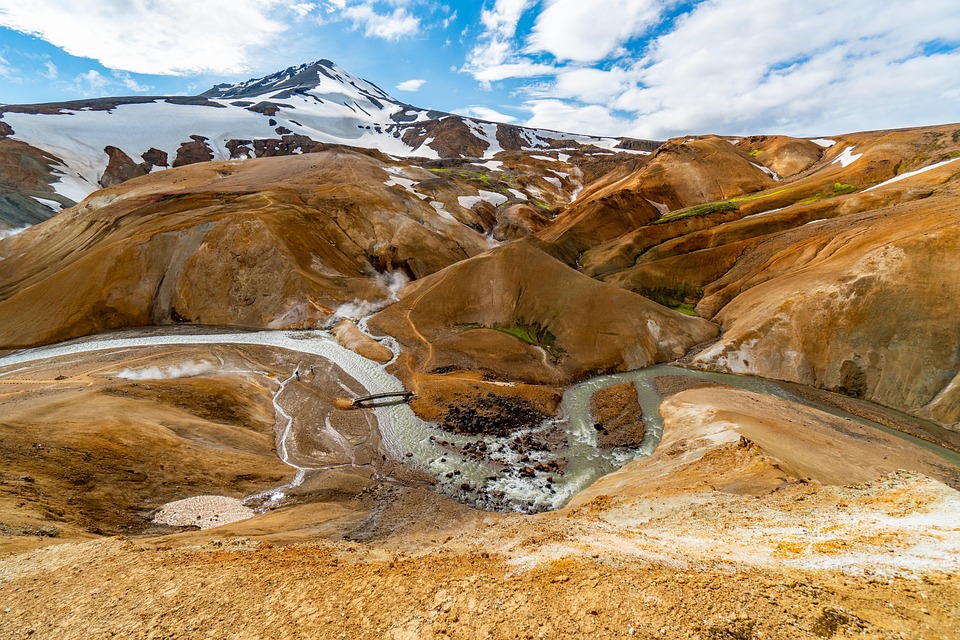
Iceland is a land like no other. Famous for its striking landscapes of glaciers, geysers, volcanic beaches, and cascading waterfalls, it comes as no surprise that this Nordic gem has made its way to the top of many travellers’ bucket lists. Whether you’re chasing the elusive Northern Lights, bathing in geothermal hot springs, or simply driving along the iconic Ring Road, planning your Icelandic escapade takes careful attention to detail. This guide will help you unlock the secrets to planning the perfect Iceland adventure by offering actionable tips, expert knowledge, and meaningful insights. Ready to embark on this incredible journey? Let’s dive in!
Why Iceland Should Be Your Next Destination
To understand why a visit to Iceland is worth your time, you first need to grasp its unique charm. Ever wondered why it’s referred to as the Land of Fire and Ice? That’s because Iceland is a country that boasts both volcanic landscapes and glaciers in close proximity—a perfect paradox. Here are some highlights to excite your wanderlust:
- The Northern Lights: From September to mid-April, the aurora borealis illuminates the skies with breathtaking bands of green, yellow, and purple light.
- Unique Geothermal Activities: Whether you’re visiting geysers, dipping in lagoons, or relaxing in hot springs, geothermal wonders are a signature Icelandic experience.
- Unmatched Road Trips: With lesser-known routes like the Golden Circle and the epic Ring Road, every bend in Iceland’s roads unveils panoramic vistas.
- Adventure Sports: Iceland offers glacier hiking, snowmobiling, snorkelling between tectonic plates, and much more.
When to Visit Iceland: Best Times for Every Traveller
One of the first crucial steps is deciding when to travel to Iceland. This largely depends on what you’d like to experience and your tolerance for cold weather.
1. Summer (June – August)
The summer months in Iceland offer mild temperatures (10–15°C) and almost endless daylight due to the midnight sun. During this time, you’ll enjoy:
- Easier access to the Highlands because the F-road mountain tracks open up.
- Extended days perfect for outdoor activities like hiking and road trips.
- Puffin spotting at places like Látrabjarg and Dyrhólaey.
However, summer is peak tourist season, so expect higher prices for accommodation and crowds at popular tourist attractions.
2. Winter (November – February)
Winter is undoubtedly magical, characterised by snow-covered landscapes and long nights ideal for Northern Lights hunting. Highlights of a winter visit include:
- Witnessing the spectacular aurora borealis displays.
- Winter adventures such as glacier hiking or visiting ice caves.
- Exploring frozen waterfalls like Gullfoss, Skógafoss, and Seljalandsfoss.
Bear in mind that Iceland in winter can be brutally cold (-1 to 3°C), so pack accordingly.
3. Shoulder Seasons (March-May; September-October)
For a quieter, less crowded experience, visit during the shoulder seasons. You can enjoy a nice balance: reasonable weather, fewer tourists, and slightly lower prices. Spring grants new perspectives on Iceland’s landscapes, while autumn is ideal for chasing the Northern Lights without peak-season backups.
Budgeting for Your Iceland Adventure
Many first-time visitors worry about Iceland’s reputation as an expensive destination. While it’s true that costs can add up, smart planning can make your Iceland trip affordable without losing quality. Here’s how you can budget for your trip:
1. Flights
Look for deals on flights to Reykjavík-Keflavik Airport (KEF). Airlines such as Icelandair and PLAY often offer excellent stopover programs for travellers heading to Europe or North America.
2. Accommodation
- Budget Options: Hostels (such as Kex Hostel in Reykjavík) start at around £30 per night.
- Mid-Range: Guesthouses or farm stays, with prices hovering around £100–£150 per night.
- Splurge: Luxury hotels like Blue Lagoon Retreat promise unforgettable experiences but can cost £500+ per night.
Booking early, particularly during peak season, helps secure cheaper options.
3. Transport
The best way to explore Iceland is by renting a car. Driving unlocks an unparalleled freedom to explore at your own pace. The price for car hire typically starts around £40 per day for a small 2WD and goes up to £150+ for 4WD vehicles suitable for off-road Highland adventures.
Public transport exists but is limited, so self-driving is more practical.
4. Food
- Self-catering is highly recommended for budget-conscious travellers. Stock up on groceries at affordable supermarkets like Bónus or Krónan.
- If you want to sample Icelandic cuisine (and you definitely should), budget for experiences such as lamb dishes or fresh fish at restaurants like Grillmarkaðurinn.
Must-See Attractions You Have to Plan For
There’s no shortage of awe-inspiring sights to take in while traversing Iceland, but here are the top destinations you simply can’t leave without visiting:
1. The Golden Circle
This popular route includes:
- Thingvellir National Park: Walk between tectonic plates and learn about the birthplace of Icelandic democracy.
- Geysir Geothermal Area: Witness bubbling hot springs and the impressive Strokkur geyser shooting sky-high every few minutes.
- Gullfoss Waterfall: One of Iceland’s most famous waterfalls, Gullfoss translates to “Golden Falls” and is nothing short of majestic.
2. South Coast Highlights
From Reynisfjara Black Sand Beach to Seljalandsfoss and Skógafoss, Iceland’s South Coast feels like stepping straight into a storybook.
3. Snæfellsnes Peninsula
Sometimes called “Iceland in Miniature,” this region delivers glaciers, basalt cliffs, and iconic sites like Kirkjufell Mountain.
Insider Travel Tips for Planning the Perfect Trip
Here’s some advice to ensure a smooth Iceland adventure:
Pack Strategically
Iceland’s weather changes rapidly. Always layer up to adapt to sudden temperature shifts—thermal base layers, waterproof outerwear, sturdy hiking boots, and gloves are non-negotiable.
Plan Accommodation Early
Especially during summer or near holidays like Christmas, rooms fill up fast. Use platforms like Booking.com or Airbnb to scout ahead.
Fuel Up
Petrol stations are few and far between, especially in remote areas. Always refuel when an opportunity arises, even if your tank is half-full.
Obey Road Safety Rules
Driving in winter can be treacherous. Ensure that you rent a car equipped with studded tyres during icy conditions. Check road conditions at www.road.is daily.
Guided Experiences via Nihosi Travels & Tours
If self-navigation seems overwhelming, you can leave the logistics to the experts. Nihosi Travels & Tours offers comprehensive guided tours through Iceland, providing curated itineraries that ensure you get the most out of your trip. From small-group adventures to bespoke private tours, they specialise in creating memorable travel moments.
Frequently Asked Questions (FAQ)
What is the best way to travel around Iceland?
Driving is the best way to explore Iceland at your own pace. Renting a campervan or car is particularly popular for those driving the Ring Road.
How many days are enough for Iceland?
A week (7-8 days) is perfect for a comprehensive trip around the Ring Road. For short stays, focus on the Golden Circle and South Coast.
Is Iceland child-friendly?
Yes, Iceland offers kid-friendly attractions like the Reykjavík Zoo, whale watching, and easy hikes. It’s also an incredibly safe destination.
Iceland is a land of wonders—an untouched world of natural beauty just waiting to be explored. Whether you’re embarking on an epic road trip, marvelling at waterfalls, or soaking in thermal baths, you’ll create memories to treasure for a lifetime. By planning carefully and using this expert travel guide, your trip to Iceland will undoubtedly become the adventure of your dreams.
For more expert travel inspiration and guides, visit www.nihosi.com. 🚗✨









Subscribe To Our Newsletter
Join our mailing list to receive the latest news and updates from our team.
You have Successfully Subscribed!