
Palestine State Uncovered: A Traveler’s Map to Ancient Wonders and Modern Charm
Unveiling Palestine is like discovering a rare gem hidden in plain sight—shimmering with ancient history, enriched by cultural diversity, and filled with warm, hospitable people. Despite ongoing challenges, Palestine remains a compelling destination for intrepid explorers eager to delve into its historic legacy and modern vibrance. From UNESCO-listed ancient ruins to bustling urban life and local culinary gems, let’s embark on a journey to uncover the wonders of this remarkable destination.
Why Visit Palestine?
Travellers often wonder why Palestine is worth visiting. The answer is simple—it’s a treasure trove of cultural richness and natural beauty. Many overlook the region, consumed by pre-formed stereotypes or misperceptions. But hidden within its borders are millennia-old cities, archaeological marvels, rolling hills, olive groves, and markets bursting with life. Palestine offers an unfiltered experience where the pace slows, historical connections deepen, and stories unravel.
Palestine embodies resilience and spirit. By walking its streets and alleys or sharing tea with locals, you’ll gain an authentic perspective of its living history. Ready to uncover more? Let’s walk through its most captivating sites, practical travel tips, and surprising modern highlights.
Ancient Wonders That Bring History to Life
1. Bethlehem: Beyond Nativity
The sacred city of Bethlehem sets the stage as one of the most iconic places in Palestine. Revered as the birthplace of Jesus Christ, Bethlehem is more than just a religious pilgrimage destination. The Church of the Nativity, a UNESCO World Heritage Site, welcomes visitors from all faiths and backgrounds, showcasing stunning architecture alongside profound religious significance.
Yet, Bethlehem isn’t solely about spiritual exploration. Stroll through the cobbled streets to encounter bustling souqs (markets) or traditional artisans weaving stories into olive-wood carvings. Don’t miss the Walled Off Hotel, an eccentric creation by the famed artist Banksy, offering a surreal take on the political landscape surrounding the West Bank barrier wall.
2. Jericho: The World’s Oldest City
Dubbed the “oldest continuously inhabited city in the world,” Jericho is an archaeological dream. Situated amidst palm trees and fertile lands along the Jordan Valley, this oasis is home to significant ruins, including Hisham’s Palace, adorned with intricate mosaic floors.
Another must-visit in Jericho is the Mount of Temptation. Legend has it that this hill, accessible by a cable car ride offering staggering views, is the spot where Jesus fasted for 40 days. The Monastery of the Temptation perched on the mountainside is the perfect testament to Palestine’s spiritual and cultural layers.
3. Hebron: A Historic Crossroads
Steeped in history and intrigue, Hebron is famed for the Cave of the Patriarchs (Ibrahimi Mosque). This sacred site is said to be the burial place of Abraham, Isaac, and Jacob, making it a key locus for Christianity, Judaism, and Islam.
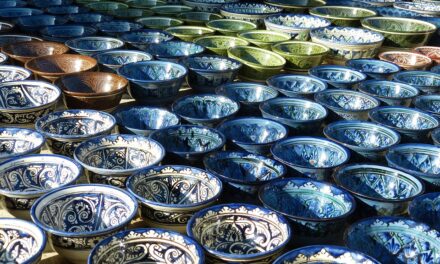
Wandering through Hebron’s Old City, visitors encounter vibrant markets filled with handmade crafts and famous Hebronite glass and ceramics—a skill passed down for generations. Yet, Hebron is also a city of dialogue and stark contrasts, blending ancient traditions with modern socio-political realities.
The Modern Pulse of Palestine
Exploring the essence of Palestine doesn’t stop at its historic wonders. Modern Palestinian cities offer vibrant urban life, where old meets new in surprising harmony.
4. Ramallah: Cultural Hub of Palestine
Ramallah is one of the most progressive and modern cities in Palestine, brimming with youthful energy, cafés, and galleries. As the de facto administrative capital, the city is buzzing with life.
Be sure to visit the Yasser Arafat Museum to gain deeper insights into Palestine’s modern history. Another highlight is Dar Zahran Heritage Building, where art exhibitions and cultural performances showcase Palestinian creativity.
Finally, the thriving culinary scene in Ramallah should not be overlooked. Whether you’re sampling musakhan (a baked chicken and sumac dish) or sipping mint-infused local tea in a chic café, the city’s gastronomic charm is irresistible.
5. Gaza: Resilient Spirit Amidst the Struggles
Gaza, often defined by its hardship, is a place of remarkable resilience. It offers visitors profound lessons about humanity’s indomitable spirit. While international visits might be restricted, Gaza’s coastline, traditional architecture, and ancient sites like the Great Omari Mosque form part of its underappreciated allure.
Festivals and Traditions: When to Visit Palestine
Timing your visit to Palestine is crucial to ensure an immersive experience, as many unique festivals and traditions take place throughout the year.
Spring: Olive harvests are a vital tradition in Palestinian culture, and springtime welcomes the burgeoning greenery. Visitors can often partake in family-run olive harvests, an authentic window into local agricultural practices.
Groovy Summers: Though summers can be hot, music festivals such as “Palestine Music Expo” bring a contemporary flair to the region.
Winter: Christmas in Bethlehem transforms into a magical spectacle where global diversity and faith converge, particularly at Manger Square and the Saint Catherine’s Church midnight mass.
Islamic Celebrations: Eid Al-Fitr and Eid Al-Adha highlight Islamic festive traditions, where streets are filled with joyful celebrations, sweet treats, and warm gatherings.
Practical Tips for Travellers
6. Travel Logistics and Tips
Visiting Palestine requires understanding the region’s unique geography and travel logistics. Here’s what you need to know:
- Getting There: Fly into Ben Gurion International Airport in Tel Aviv, Israel, and take shared taxis or buses to cities in the West Bank.
- Language: Arabic is the official language, but English is widely understood in urban areas. Picking up a few Arabic phrases like “Shukran” (thank you) can go a long way.
- Currency: The Israeli Shekel is used, but some areas may accept Jordanian Dinar. Keep small change handy for markets and street vendors.
- Border Crossings: Be prepared for thorough security screenings, particularly when visiting Jerusalem or crossing into the West Bank from Israel. Patience and respect are key.
- Cultural Etiquette: Modest clothing is appreciated, especially when entering religious sites. Always ask for permission before taking photos of people.
Palestinian Cuisine: Tasting Local Flavours
Palestine’s culinary delights blend Levantine, Middle Eastern, and Mediterranean influences into every dish. Must-try local foods include:
- Maqluba: A traditional staple featuring rice, vegetables, and meat flipped upside-down after cooking.
- Kanafeh: A divine dessert made of cheese pastry soaked in syrup. Nablus, in particular, is famed for having the best kanafeh.
- Falafel & Hummus: Fresh and flavourful, these staples found in local street stalls are unforgettable.
Ethical Travel to Palestine
Palestine’s socio-political situation demands sensitive, ethical travel practices. When you visit, make conscious choices:
- Support Local Businesses: Buy souvenirs like embroidery, pottery, or olive oil directly from family-owned shops.
- Engage with Local Tours: Organisations like Nihosi Travels & Tours provide culturally immersive experiences led by local guides. Supporting such tours not only enhances your travel experience but also bolsters Palestinian livelihoods.
Frequently Asked Questions (FAQ)
What is unique about Palestine as a travel destination?
Palestine balances ancient history (like Bethlehem and Jericho) with vibrant modern culture, offering a harmonious blend of experiences for those interested in history, spirituality, or cultural immersion.
Is Palestine safe for travellers in 2024-2025?
Despite media portrayal, many areas of Palestine, such as Bethlehem and Ramallah, are safe for tourists. Always stay updated on travel advisories.
How do you travel between cities in Palestine?
Shared taxis called service are the most common—and affordable—way to travel between cities.
What should I bring back as souvenirs?
Handcrafted embroidery, soap from Nablus, and Palestinian olive oil are cherished items to bring home.
Final Thoughts: Experience Palestine’s Timeless Spirit
Palestine, with its juxtaposition of ancient landscapes and vibrant modern culture, captivates every traveller fortunate enough to visit. Whether tracing the footsteps of biblical legends, becoming lost in centuries-old souqs, or savouring dishes passed down generations, the magic of Palestine lies in its ability to tell stories that resonate deeply.
Plan your journey to Palestine with Nihosi Travels & Tours—and let the region’s timeless charm leave an imprint on you forever.











Subscribe To Our Newsletter
Join our mailing list to receive the latest news and updates from our team.
You have Successfully Subscribed!