
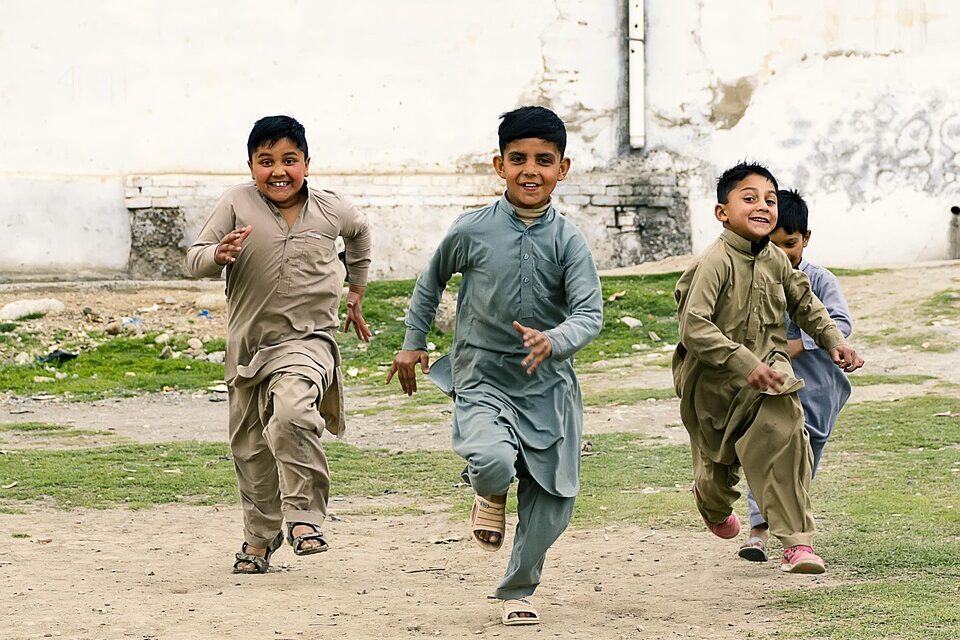
When it comes to tourism in Pakistan, Lahore and Karachi often steal the spotlight. These bustling metropolitan cities are celebrated for their vibrant energy, historic landmarks, cultural richness, and diverse culinary landscapes. But limiting your travel itinerary to these major hubs is like skimming the surface of a deep ocean. Pakistan is a treasure trove of breathtaking destinations that remain hidden gems, waiting to be discovered by the adventurous traveller. From snow-clad peaks to serene deserts, lush green valleys to ancient ruins, the country is a tapestry of natural wonders and historical splendour.
In this guide, we’ll take you on a journey beyond the known, unveiling Pakistan’s best-kept travel secrets. Whether you’re an adventure junkie, a history buff, or someone in search of tranquil landscapes, Pakistan’s lesser-known destinations have something for everyone. Let’s dive in and reveal why these hidden locations deserve a spot on your travel bucket list.
Why Explore Beyond Lahore and Karachi?
Most international travellers land at Lahore or Karachi, often unaware of the uncharted beauties lying just beyond these cities. Exploring outside these urban centres allows you to experience the true essence of Pakistan—away from the concrete jungles, where nature reigns supreme and history whispers through ancient ruins.
Travelling to underexplored regions also lets you interact with local communities, experience authentic hospitality, and support sustainable tourism. It’s an enriching way of seeing a Pakistan that most outsiders—and even many locals—haven’t witnessed.
Hunza Valley – A Land of Untouched Perfection
Nestled in the Gilgit-Baltistan region, Hunza Valley is the epitome of nature’s artistry. Often referred to as “Pakistan’s Switzerland,” it boasts awe-inspiring landscapes with lush green terraces, towering mountains, and crystal-clear glacial rivers. But Hunza isn’t just about the views; it’s about the experience.
Top Things to Do in Hunza
- Karimabad: Visit the ancient Baltit and Altit forts, which serve as fascinating windows into Hunza’s history.
- Attabad Lake: Formed from a catastrophic 2010 landslide, this turquoise lake is a sight to behold—and a hotspot for boating and kayaking enthusiasts.
- Passu Cones: The jagged peaks of the Passu Cathedral are perfect for photography and trekking.
Hunza Valley offers a glimpse into timeless traditions, a slower pace of life, and scenery that feels almost otherworldly.
Skardu – The Gateway to the Karakoram Range
Just when you think Pakistan’s landscapes couldn’t get any better, Skardu takes it up a notch. Situated at the confluence of the Indus and Shigar Rivers, Skardu is a paradise for mountaineers and nature lovers. This region is the starting point for expeditions to some of the world’s highest peaks, including K2, the second-tallest mountain on Earth.
What to Explore in Skardu
- Satpara Lake: Spend a day kayaking or simply soaking in the beauty of this serene lake.
- Deosai National Park: Known as the ‘Land of Giants,’ Deosai is a vast plateau blanketed with colourful wildflowers and home to the Himalayan brown bear.
- Shigar Valley: Visit the 400-year-old Shigar Fort, transformed into a luxury heritage hotel by the Aga Khan Trust for Culture.
If you’re an adventure seeker, Skardu is where your soul will find its true calling.
Chitral and Kalash Valleys – A Cultural Odyssey
Tucked away in the northern corner of Khyber Pakhtunkhwa province, Chitral is a land of rugged mountains and vibrant culture. Within Chitral lies the Kalash Valleys, home to the indigenous Kalash people who are known for their unique traditions, festivals, and attire.
What Makes Chitral and Kalash Unique?
- Kalash Festivals: Witness vibrant celebrations like Chilam Joshi, where locals celebrate the spring harvest with dancing, singing, and feasting.
- Hindukush Mountains: Hike through pristine trails with spectacular mountain views.
- Shandur Pass: If you’re visiting during summer, don’t miss the famous Shandur Polo Festival.
Chitral offers a rare combination of cultural immersion and untouched natural beauty that’s hard to find elsewhere.
Hingol National Park – A Serene Escape to the South
While most people think of northern Pakistan as the haven for natural beauty, the Hingol National Park in Balochistan challenges that notion. Stretching over 6,000 square kilometres, Hingol is home to exotic wildlife, unique rock formations, and Pakistan’s largest canyon.
Key Attractions in Hingol
- Princess of Hope: Named by Hollywood actress Angelina Jolie, this iconic rock formation resembles a female figure gracefully gazing toward the horizon.
- Hingol Mud Volcanoes: These active mud volcanoes are a geological wonder you won’t find in many places around the world.
- Makran Coastal Highway: A scenic drive where the Arabian Sea kisses the rugged coastline of Hingol Park.
Hingol National Park offers a serene escape from the hustle and bustle while immersing you in the raw beauty of Pakistan’s south.
Tharparkar – Desert of Secrets
Located in Sindh, Tharparkar is an enchanting desert region that houses a fascinating blend of natural and cultural attractions. While deserts might traditionally conjure images of barren landscapes, Tharparkar is different. This desert blooms with vibrant colours during the monsoon season, when rare flowers sprout and transform the arid land into an oasis.
Top Experiences in Tharparkar
- Makli Necropolis: A UNESCO World Heritage Site comprising one of the largest ancient burial sites in the world.
- Mithi: Explore the peaceful coexistence of Hindu and Muslim communities in this culturally rich town.
- Karoonjhar Hills: Perfect for hiking, especially during monsoon when the hills turn lush green.
Tharparkar’s captivating beauty is deeply rooted in its heritage, making it a must-visit for history and culture enthusiasts.
Ranikot Fort – Pakistan’s Great Wall
Dubbed as the “Great Wall of Sindh,” Ranikot Fort is a breathtaking historical structure unknown to many. Located roughly 90 kilometres from Hyderabad, this fort spans an incredible 32 kilometres—the largest fort in the world.
Why Visit Ranikot Fort?
- Sheer Magnitude: The enormity of Ranikot rivals even the Great Wall of China.
- Ease of Access: A day trip from Karachi or Hyderabad makes it an ideal destination for those pressed for time.
- Ancient Architecture: Explore its robust walls, bastions, and gateways that have withstood centuries.
Ranikot Fort is a reminder of Pakistan’s often-overlooked architectural glory.
Off-the-Beaten-Path Tips for Travellers
Planning a trip to lesser-known destinations requires a bit more effort than sticking to the usual tourist spots. Here are some actionable tips for your journey:
- Research Thoroughly: While these locations promise adventure and beauty, some lack infrastructure. Advance research is vital.
- Pack Smart: Invest in good trekking gear and weather-appropriate clothing. Northern regions tend to get chilly even in summer!
- Engage Local Guides: Not only will they help you explore the region’s best spots, but they’ll also enrich your journey with local stories.
- Respect the Culture: Many hidden gems in Pakistan are home to close-knit communities. Learn about their traditions and maintain a respectful approach.
- Travel Responsibly: Avoid littering, minimise your ecological footprint, and support local businesses whenever possible.
Nihosi Travels & Tours: Your Partner to Adventure
Planning a trip to these hidden gems can be daunting, but that’s where specialists like Nihosi Travels & Tours step in. With expert guides and in-depth knowledge of Pakistan’s offbeat destinations, Nihosi ensures your travels are safe, memorable, and hassle-free. They can help you unlock experiences that most tourists never encounter.
FAQs About Pakistan’s Less-Known Travel Spots
1. Is it safe to travel to offbeat destinations in Pakistan?
Yes, many lesser-known destinations in Pakistan are safe. However, it’s always recommended to check local security advisories and travel with reputable guides.
2. What’s the best time to visit Hunza Valley?
The best time to visit Hunza is from April to October, with spring and autumn offering spectacular colour displays.
3. Can I visit the Kalash Valleys without a guide?
While it’s possible, hiring a guide ensures a culturally immersive and hassle-free experience.
4. Is public transport available to Hingol National Park?
Public transport is limited. Renting a private vehicle or booking a tour is more convenient.
5. Do I need special permissions to visit Deosai National Park?
No, Deosai is open to visitors during the summer months, and no special permission is required.
Pakistan’s hidden travel treasures go beyond just being destinations—they’re experiences that stir the soul and challenge perceptions. Whether you’re trekking through the otherworldly landscapes of Hunza or soaking in the spiritual serenity of Tharparkar, every corner of this country holds a story waiting to unfold. So pack your bags, embrace the unfamiliar, and let Pakistan surprise you.









Subscribe To Our Newsletter
Join our mailing list to receive the latest news and updates from our team.
You have Successfully Subscribed!