
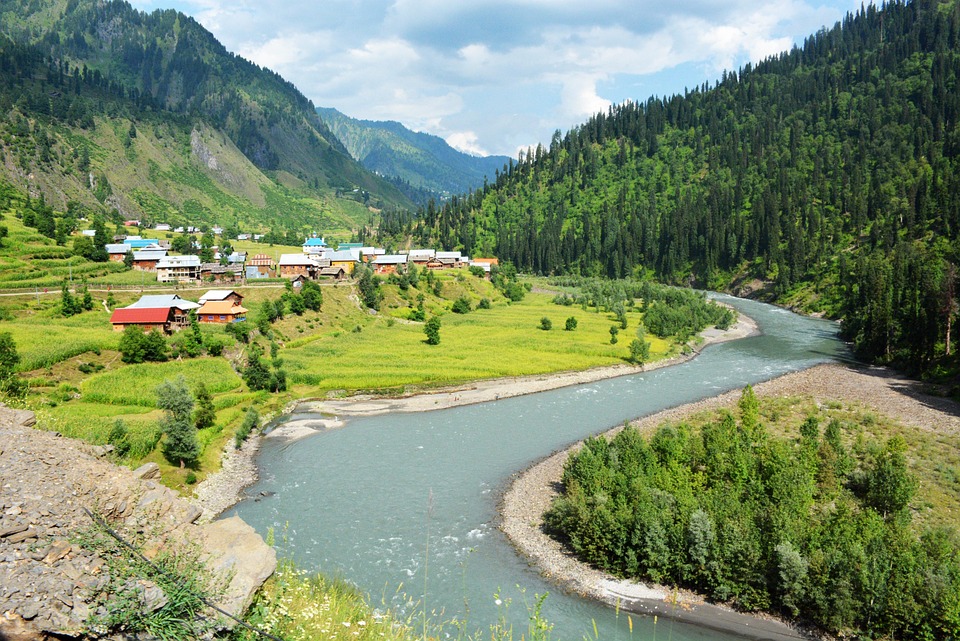
When you think of Pakistan, what comes to mind? Perhaps the bustling streets of Karachi, the historic grandeur of Lahore, or the serene beauty of Hunza Valley? While these iconic destinations are undeniably breathtaking, Pakistan’s natural beauty doesn’t end there. Hidden deep within this mesmerising country are lesser-known but equally awe-inspiring destinations that beckon nature lovers and adventurers alike.
Whether it’s crystal-clear lakes glimmering amidst dramatic mountain ranges or untouched valleys cloaked in vibrant greenery, Pakistan offers a plethora of hidden gems waiting to be explored. In this article, we’ll take you on a journey across some of the country’s most stunning but underrated spots, helping you plan your travels with actionable insights and expert tips.
Welcome to the ultimate guide on discovering “Unveiling Pakistan’s Lesser-Known Yet Breathtaking Destinations for Nature Lovers.”
1. Why Explore Pakistan’s Hidden Gems?
A Treasure Trove for Adventurers
Pakistan’s untapped potential as a global tourist hotspot lies in its untouched landscapes and authentic local culture. Up until recently, many of these destinations remained well off the beaten track, visited only by the most daring explorers.
But why settle for mainstream locations when you can unlock these hidden gems? Travelling to these less-explored destinations not only feeds your wanderlust but enhances sustainable tourism, supporting local communities and preserving the environment.
Beyond the Mainstream: Authentic Experiences
Standing on the Karakoram Highway with towering peaks on either side is exhilarating, but have you ever camped by the serene Rush Lake, the highest alpine lake in Pakistan? Or strolled through Gurikhil Valley’s rarely photographed apricot farms? Such experiences provide unique stories you’ll treasure for a lifetime.
2. Top Hidden Natural Destinations in Pakistan
Let’s dive into these lesser-known destinations and uncover their unmatched charm.
2.1. Ratti Gali Lake (Azad Jammu & Kashmir)
Nestled amidst lush alpine meadows and snow-clad peaks, Ratti Gali Lake is straight out of a fairy tale. At an altitude of nearly 3,700 metres, this untouched paradise sits like a shimmering jewel atop rocky terrain. The trek to Ratti Gali is an adventure in itself, winding through dense forests and bubbling streams.
- Best time to visit: Mid-July to September when the snow has melted, revealing a kaleidoscope of wildflowers.
- Pro tip: Hire a local guide in Dowarian to ensure a seamless experience. And don’t forget to wear sturdy trekking shoes!
2.2. Katpana Desert (Skardu, Gilgit-Baltistan)
Fancy exploring a desert surrounded by snow-capped peaks? The Katpana Desert, also known as the Cold Desert, is a surreal, otherworldly experience. Situated near Skardu, this high-altitude desert offers rippling sand dunes glinting under moonlight, creating a profoundly magical vibe.
- Why it’s unique: It’s one of the world’s highest deserts, at over 2,300 metres above sea level!
- Must-do activities: Camp under the stars or enjoy a camel ride for an authentic, yet unconventional desert experience.
2.3. Sheosar Lake & Deosai Plains (Gilgit-Baltistan)
Deosai National Park, often called the “Land of Giants,” is a sprawling expanse of golden plains peppered with wildflowers. Its crown jewel, Sheosar Lake, mirrors the mighty Nanga Parbat on its surface.
- Wildlife encounters: The park is teeming with marmots, Himalayan ibex, and even the elusive brown bear.
- Top tip: Visit during spring or early summer for its most vibrant scenery. The park closes during winter due to heavy snowfall.
2.4. Hingol National Park (Balochistan)
This desert-like wilderness isn’t just Balochistan’s largest national park—it’s a canvas painted by nature itself. Think lunar landscapes, rugged peaks, and the famous “Princess of Hope” rock formation carved by wind erosion.
- Quick fact: The park is home to rare wildlife species such as the Sindh ibex and Indian pangolin.
- Adventure seeker’s delight: Go trekking or take a boat ride through the Hingol River gorge.
2.5. Arang Kel (Neelum Valley, Azad Jammu & Kashmir)
Arang Kel perches gracefully on a serene hilltop in Neelum Valley, offering postcard-worthy views at every turn. The journey to this picturesque village involves crossing a vibrant glacier-fed river and a thrilling trek uphill.
- Best for: Picnics, horse riding, and soaking in panoramic vistas.
- Pro tip: Stay overnight to witness a sky illuminated with bright constellations, far away from city lights.
3. How to Plan a Trip to These Lesser-Known Destinations
For a seamless experience, here’s how you can prepare for an incredible journey:
Research Thoroughly
Use tools like Google Maps and local forums to learn about routes, weather conditions, and necessary permits. National parks and protected areas such as Hingol or Deosai may require prior permission. Remember, your goal is to embrace the unfamiliar!
Hire Local Guides
Local individuals are not only treasure troves of unbeatable information but also your safest bet in remote areas. Companies like Nihosi Travels & Tours can pair you with vetted, reliable guides.
Pack Strategically
Trekking and camping demand proper gear. Essentials include:
- Sturdy hiking boots
- Warm layers (mountain weather changes quickly)
- Portable water filters
- Energy-boosting snacks
4. Why Visit with Nihosi Travels & Tours?
Travelling to remote destinations in Pakistan can be daunting without proper guidance. That’s where Nihosi Travels & Tours comes in. From organising transportation to curating bespoke itineraries, their team ensures you experience the magic of hidden Pakistan without compromising on safety or comfort.
Explore the unexplored today with Nihosi Travels!
Frequently Asked Questions (FAQs)
Q1. What is the best time to visit Pakistan’s natural destinations?
A: The best time depends on the region—northern areas like Hunza and Skardu are ideal from May to October, while Sindh and Balochistan are best explored in cooler months like November to February.
Q2. Do I need permits to visit certain areas?
A: Yes, areas close to borders, such as Azad Jammu & Kashmir, may require permits. Always consult local tour companies for up-to-date information.
Q3. Is Pakistan safe for solo travellers?
A: While Pakistan is generally safe for tourists, solo travellers should exercise caution, especially in isolated regions. Hiring a guide ensures a stress-free experience.
Q4. What are the must-pack items?
A: Essentials include weather-appropriate clothing, a first aid kit, trekking gear, snacks, and portable chargers. If you’re camping, bring a tent and sleeping bag.
Q5. How can I support local communities during my visit?
A: Purchase local crafts, opt for homestays, and treat nature with respect.
Q6. Are there eco-friendly travel options in Pakistan?
A: Yes! Opting for sustainable travel agencies or using reusable products makes a significant impact.
Wrap-Up
The call of the wild awaits you in Pakistan’s lesser-known destinations. From serene lakes to rugged deserts, the untouched beauty of these hidden gems promises life-changing adventures for every nature enthusiast. By taking the road less travelled, not only do you reconnect with nature—you also support local communities and foster sustainable practices.
Ready to pack your hiking boots and explore the sheer beauty of Pakistan’s offbeat wonders? Visit Nihosi Travels & Tours to kickstart your journey into the heart of pristine landscapes.
So why wait? The natural wonders of Pakistan are calling, and it’s time you answered!
(Published on www.nihosi.com using WordPress. Fully optimised for SEO.)








Subscribe To Our Newsletter
Join our mailing list to receive the latest news and updates from our team.
You have Successfully Subscribed!