
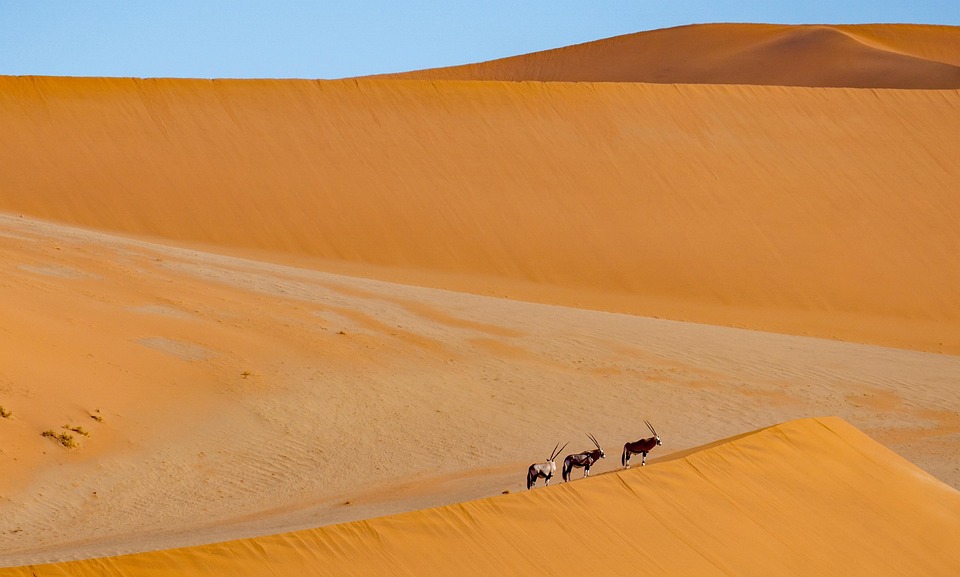
Namibia—a land of stark contrasts and breathtaking landscapes—is a destination that invites adventure seekers, nature lovers, and cultural enthusiasts alike. If you’re yearning for an experience that combines pristine wilderness, rich heritage, and thrilling escapades, Namibia is an ideal escape. This Namibia travel guide will uncover hidden gems, desert adventures, and essential expert advice to help you plan an unforgettable journey to this African gem.
Whether you’re drawn by the allure of the world’s oldest desert, the Namib, the wildlife-rich Etosha National Park, or the mysterious Skeleton Coast, you’ve come to the right place. Let’s explore Namibia and unlock its wonders.
Table of Contents
- Why Visit Namibia? A Brief Introduction
- Hidden Gems in Namibia
- Unforgettable Desert Adventures
- Practical Travel Tips and Expert Advice
- FAQs About Namibia Travel
Why Visit Namibia? A Brief Introduction
Namibia, located in southern Africa, is one of the most sparsely populated countries in the world, and this isolation has preserved its natural beauty and allure. With vast deserts, rugged mountain ranges, and impressive wildlife, it’s no wonder Namibia captures the hearts of those fortunate enough to explore its lands.
From the sandy dunes of Sossusvlei to the German-influenced colonial towns like Swakopmund and Windhoek, Namibia offers a delightful mix of natural and cultural experiences. Unlike more popular African safari destinations, Namibia provides a quieter, more intimate way to connect with its spellbinding landscapes and wildlife.
Hidden Gems in Namibia
Namibia is a treasure trove of unique experiences. While the famed attractions like Etosha National Park and the Namib Desert deserve attention, lesser-known yet equally compelling locations give you something rare and personal to discover.
1. Kolmanskop Ghost Town
This abandoned diamond-mining settlement near Lüderitz is a photographer’s dream. Sand dunes have reclaimed the town, creeping into its once lavish homes and creating hauntingly beautiful scenes. Walk through the remnants of this ghost town to feel the echoes of Namibia’s diamond rush era.
2. Epupa Falls
Tucked away in the remote northwestern region near the Angolan border, Epupa Falls is a hidden paradise in the middle of the desert. The cascading Kunene River’s waters are a stark contrast to the arid landscape. This is an ideal spot to unwind or meet members of the Himba Tribe, who maintain their traditional way of life.
3. Quiver Tree Forest
Near the town of Keetmanshoop, this botanical wonder features hundreds of aloe dichotoma trees, aptly named “quiver trees” because local San people used their hollowed-out branches as quivers for arrows. The forest looks particularly stunning under the glow of a Namibian sunset.
4. Spitzkoppe
Often called the “Matterhorn of Africa,” Spitzkoppe is a granite mountain rising dramatically from the surrounding plains. The area is perfect for hiking, rock climbing, and stargazing. Ancient San rock paintings can also be found here, adding a touch of history to your adventure.
5. Caprivi Strip
This lush, wildlife-rich region in the northeast is unlike the rest of Namibia. Rivers like the Zambezi bring greenery, making it a hotspot for birdwatching and fishing. It’s also a great place to experience Africa’s Big Five away from the crowds.
Unforgettable Desert Adventures
Namibia’s deserts aren’t just landscapes; they are thriving ecosystems packed with rewarding experiences.
1. Climbing Dune 45 in Sossusvlei
The Namib Desert’s Sossusvlei is a visual feast, showcasing some of the tallest sand dunes in the world. Among them, Dune 45 is the most renowned. A climb demands stamina, but the view of glowing orange sands stretching endlessly makes the effort worthwhile. Visit early in the morning for the best light and remote vibes.
2. Exploring Deadvlei
Deadvlei is a clay pan surrounded by towering red dunes, featuring ancient, blackened camelthorn trees frozen in time. Walking through this surreal, otherworldly landscape is one of Namibia’s most mesmerising experiences.
3. Sandboarding in Swakopmund
Known as Namibia’s adventure capital, Swakopmund is where you can experience the exhilaration of sandboarding. Whether you’re an adrenaline junkie or just fancy trying something new, gliding down desert dunes with the Atlantic Ocean as your backdrop is an experience unlike any other.
4. Skeleton Coast Flying Safari
The Skeleton Coast, named for its treacherous shipwrecks, is accessible via flying safaris that give you a bird’s-eye view of its eerie beauty. Fog-covered beaches, seal colonies, and rusting ship remains create a setting so surreal it feels almost out of this world.
5. Wildlife Safaris in the Namib Desert
Yes, the desert has wildlife! Look out for desert-adapted elephants, oryx, and even lions surviving in the harsh conditions. Tracking these animals adds to the thrill of exploring the Namib.
Practical Travel Tips and Expert Advice
1. When to Visit
Namibia’s dry season, between May and October, is the ideal time to visit. This coincides with cooler temperatures and better wildlife sightings, particularly in Etosha National Park. However, November to April also has its charm, especially if you want to see greenery after the rainy season.
2. Getting Around
Due to Namibia’s vast distances, self-drive adventures are the most popular way to explore. Ensure that you rent a reliable 4×4 vehicle as many roads are gravel-based. Don’t forget an extra spare tyre and plenty of drinking water! Guided tours are also available, particularly if you’re heading to remote areas like Skeleton Coast or Epupa Falls.
3. Cultural Etiquette
When visiting rural areas or meeting indigenous tribes such as the Himba or San people, show respect for their ways of life. Seek permission before taking photographs, and consider hiring local guides who can explain the cultural significance of the places you visit.
4. Packing Essentials
- Light, breathable clothing for daytime.
- A warm jacket for desert nights.
- Sturdy hiking boots.
- High-SPF sunscreen and a wide-brimmed hat.
- Binoculars for wildlife spotting.
5. Health and Safety
Namibia is a malaria-prone region, especially in the northern areas, so consult your doctor about prophylactics before departure. Always stay hydrated and avoid venturing into the desert alone without proper preparation.
6. Travel Insurance
Travel insurance is non-negotiable, especially if you’re planning adventurous activities like sandboarding or safaris. Companies like Nihosi Travels & Tours often include tailored packages for adventure travellers.
FAQs About Namibia Travel
Here’s a quick guide to some common questions travellers have about visiting Namibia.
1. Is Namibia safe for travellers?
Yes, Namibia is considered safe for tourists. Use common sense, such as avoiding poorly lit areas at night, and never leave valuables unattended.
2. What currency does Namibia use?
The Namibian Dollar (NAD) is the official currency. South African Rand (ZAR) is also widely accepted at a 1:1 exchange rate.
3. Do I need a visa to visit Namibia?
Many travellers can enter Namibia visa-free for up to 90 days. However, it’s essential to confirm visa requirements based on your nationality before travel.
4. What language do locals speak?
English is the official language, but Afrikaans, Oshiwambo, and other indigenous languages are also commonly spoken.
5. Can I see the Big Five in Namibia?
Yes, you can! Etosha National Park and the Caprivi Strip are exceptional for spotting lions, elephants, rhinos, and more.
Embark on a journey to Namibia, and you’ll find a land that leaves its unforgettable imprint on your heart—be it through the silence of its deserts, the vibrant culture of its people, or the awe-inspiring wildlife that roams freely. Plan your adventure today, and let Namibia captivate you like it has countless other intrepid explorers.
Ready to explore Namibia? Plan your dream trip with Nihosi Travels & Tours for expert guidance and curated itineraries!








Subscribe To Our Newsletter
Join our mailing list to receive the latest news and updates from our team.
You have Successfully Subscribed!