
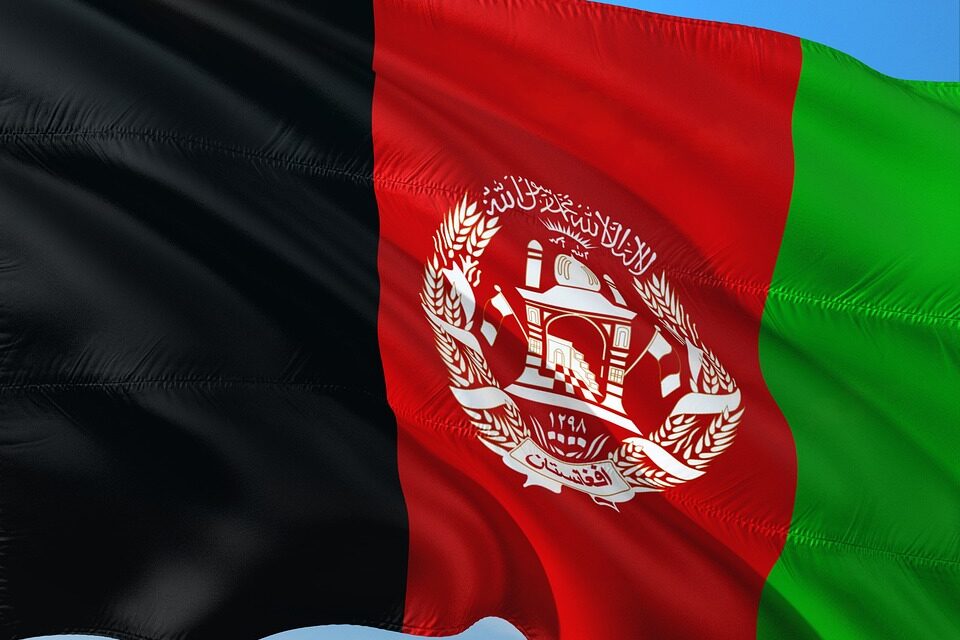
Afghanistan, an enchanting land of rugged mountains, rolling plains, and storied history, has long mesmerised adventurers and history buffs alike. While its modern narrative is often clouded by politics and conflict, it is vital to recognise the country’s rich cultural heritage, extraordinary landscapes, and remarkable people. From majestic Islamic architecture to pristine valleys that remain untouched by modernity, Afghanistan offers visitors a chance to reconnect with an ancient civilisation while exploring awe-inspiring natural wonders.
Whether you’re a passionate traveller or someone seeking inspirational destinations, this guide to Afghanistan’s top must-visit places will open your mind to the unparalleled beauty of this culturally diverse nation. Sit back, read on, and explore the ancient marvels, striking landscapes, and hidden gems this remarkable country holds.
An Overview of What Afghanistan Has to Offer
Afghanistan is located in the heart of Central Asia, historically serving as a crossroad of cultures, religions, and empires. It is where the famous Silk Road once intertwined trade, bringing intellectual and commercial exchanges between East and West. This legacy has blessed Afghanistan with an array of archaeological treasures, exquisite art, and traditions passed down for generations.
Over time, several empires—ranging from the Greeks led by Alexander the Great to the mighty Mughals—have left their signature on Afghanistan’s towns and cities. This intermingling of cultural influences means Afghanistan is a treasure trove of ancient marvels and natural beauty waiting to be explored.
Here’s your ultimate guide to the top must-visit places in Afghanistan, featuring a mix of historical, architectural, and scenic destinations.
1. The Bamiyan Buddhas and Bamiyan Valley
Located in the central highlands of Afghanistan, Bamiyan is one of the most significant cultural and historical sites in the world. Famed for its once-massive Buddha statues—the tallest of their kind before their tragic destruction in 2001—this valley boasts an ethereal atmosphere where history whispers from rugged cliff faces.
Highlights:
- Buddha Niches: Even after the statues were lost, the towering niches remain an incredible sight. These 6th-century carved spaces illustrate Afghanistan’s deep Buddhist past.
- Shahr-e-Gholghola (City of Screams): The ruins of this ancient citadel tell haunting stories of Genghis Khan’s siege.
- Band-e-Amir National Park: Afghanistan’s first national park is only a short drive away, with pristine, mineral-rich lakes reflecting hues of sapphire blue—a natural spectacle you can’t afford to miss.
Visiting Bamiyan reminds you that history and beauty persist even in the face of adversity.
2. The Mesmeric Blue Mosque in Mazar-i-Sharif
Steeped in Islamic heritage, the Blue Mosque, or Shrine of Hazrat Ali, is arguably one of Afghanistan’s most breathtaking landmarks. Located in the northern city of Mazar-i-Sharif, this mosque is considered a sacred site by Muslims worldwide. The mosque’s stunning azure-tiled exterior and intricate geometric patterns make it an architectural masterpiece.
Key Attractions:
- Spiritual Atmosphere: Many believe this is the burial site of Ali, the cousin and son-in-law of the Prophet Muhammad.
- Eid Festival Celebrations: If you visit during Nowruz (Persian New Year), witness the grand celebrations and traditional rituals that bring this site to life.
- Gardens and Flocks of Doves: The surroundings are tranquil, enhanced by the sight of peaceful white doves that are said to never leave the site.
3. The Historic City of Herat
Often referred to as the “Pearl of Khorasan,” Herat is a gem from Afghanistan’s Timurid Empire era. This city, located in the western part of the country, houses some of the most magnificent Islamic architecture and poetic cultural landmarks. Wandering through Herat feels like stepping into a bygone era.
Must-See Sites:
- Herat Citadel (Arg-e-Herat): Originally built by Alexander the Great, this fortress played a crucial role in protecting the empire and has been lovingly restored in recent years.
- The Jama Masjid (Friday Mosque): Adorned with turquoise tiles and majestic arches, this is one of the oldest mosques in Afghanistan, dating back to the 12th century.
- Minarets of Herat: These towering, slender minarets are remnants of the once-grand Musalla Complex, another Timurid-era masterpiece.
4. The Panjshir Valley
Nestled within Afghanistan’s northeastern Hindukush mountains, the Panjshir Valley is a poetic reminder of nature’s untouched grandeur. Known for being a centre of resistance during the Soviet invasion, the Panjshir Valley is now a peaceful enclave welcoming tourists.
Activities and Highlights:
- River Views: The Panjshir River snakes through the valley, creating opportunities for fishing and quiet riverside picnics.
- Hiking and Trekking: Panjshir’s rugged terrain is perfect for seasoned adventurers who want to explore off-the-beaten-path trails.
- Massoud’s Tomb: Visit the mausoleum of Ahmad Shah Massoud, a revered national figure known as the “Lion of Panjshir.”
This valley offers a delicate balance between serene nature and an inspiring history of resistance.
5. The Walled City of Balkh
Often associated with ancient legends and history, the city of Balkh was once known as Bactria and boasts over 4,000 years of history. Referred to as the “Mother of Cities” in Persian literature, this ancient settlement played a central role in the emergence of Zoroastrianism and later, the Islamic Golden Age.
Highlights:
- The Ruins of Balkh: Marvel at remnants of ancient walls, mosques, and Buddhist stupas that narrate the evolution of civilisation.
- Khoja Parsa Mosque: A striking structure from the Timurid period that reflects the artistic flair of its time.
- Poet Rumi’s Connection: Balkh is closely tied to the great Sufi poet Rumi, making it a destination of spiritual depth.
6. The Breathtaking Wakhan Corridor
A narrow strip in northeastern Afghanistan, the Wakhan Corridor is often dubbed as one of the most isolated and visually striking regions in the world. Part of the ancient Silk Road, this corridor is surrounded by towering mountains and lush greenery.
Why Visit?
- Unspoiled Beauty: Untouched by tourism or industrialisation, Wakhan feels like stepping into another era.
- Cultural Encounters: Home to the Wakhi and Kyrgyz people, visitors can engage with nomadic cultures that have remained unchanged for centuries.
- Adventure Awaits: Trekking, camping, and nature photography are popular activities. Marvel at snow-capped mountains and herds of yaks grazing in the distance.
For those seeking tranquillity and raw beauty, Wakhan Corridor is a true hidden gem.
7. Gardens of Babur in Kabul
Kabul, Afghanistan’s capital city, may be bustling with modern life, but it offers a serene retreat at the Gardens of Babur (Bagh-e-Babur). This historic urban oasis dates back to the Mughal Dynasty and is the final resting place of Babur, the empire’s founder.
Attractions:
- A Regal Garden: The manicured terraces, flowing water channels, and fruit trees demonstrate Persian-inspired landscaping at its finest.
- Panoramic Views: Overlook the city of Kabul from this elevated garden haven.
- Historical Significance: The garden’s restoration has brought back the grandeur and symbolic meaning it held for Mughal rulers.
Practical Tips for Visiting Afghanistan
Travelling to Afghanistan requires careful planning. Here are some essential tips to make the most of your trip:
- Travel with a trusted guide: We recommend contacting agencies like Nihosi Travels & Tours for experienced local guides.
- Get necessary permits: Some areas, such as the Wakhan Corridor, may require special permissions.
- Be culturally respectful: Afghanistan is deeply traditional; dress modestly and always respect local customs.
- Consider travel advisories: Stay updated on current events and safety recommendations for tourists.
FAQs About Visiting Afghanistan
1. Is it safe to travel to Afghanistan?
Afghanistan has regions that are safer than others. It’s crucial to consult with local experts and travel agencies before planning your visit.
2. What is the best time to visit Afghanistan?
Spring (March to May) and autumn (September to November) offer the most comfortable weather for exploration.
3. Why is the Bamiyan Valley significant?
The valley is celebrated for its historical Buddhist relics and is also home to breathtaking natural beauty, including the Band-e-Amir Lakes.
By embracing Afghanistan’s rich history and unparalleled landscapes, you’ll step into a world that promises unique experiences and unforgettable memories. Whether you wander through the Blue Mosque, hike the Panjshir Valley, or marvel at ancient ruins in Balkh, every journey here connects you to a fascinating past and a diverse cultural heritage.
Embark on an adventure with Nihosi Travels & Tours to explore this lesser-known gem of global travel today!









Subscribe To Our Newsletter
Join our mailing list to receive the latest news and updates from our team.
You have Successfully Subscribed!