
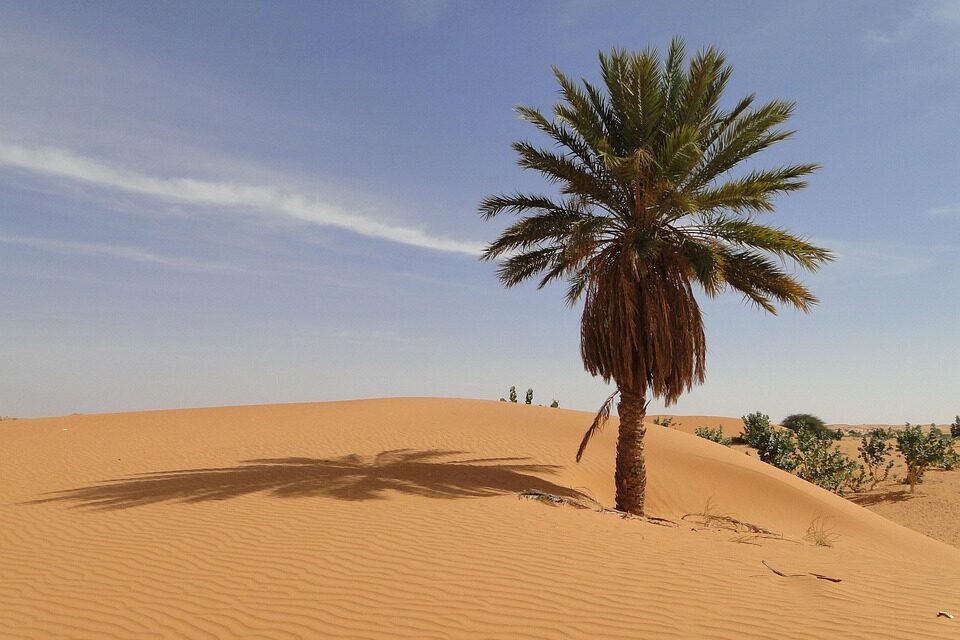
Mauritania, a land of raw desert beauty and rich cultural heritage, is fast becoming a hidden gem for intrepid adventurers. Tucked away at the crossroads of North and West Africa, this fascinating country offers endless opportunities for explorers seeking unspoiled landscapes, authentic traditions, and unique destinations. From the vast, rolling dunes of the Sahara to ancient desert cities and mesmerizing coastal enclaves, Mauritania is a traveller’s dream waiting to be discovered.
This guide will take you through everything you need to know about exploring Mauritania: must-visit highlights, off-the-beaten-path experiences, tips for adventurers, and some compelling facts about the country that will ignite your wanderlust.
Why Visit Mauritania?
Mauritania has long been overlooked by mainstream tourism, and that’s precisely what makes it special. Its unspoiled wilderness allows adventurers to experience natural landscapes in their rawest form. Whether you’re traversing the Sahara on camelback or wandering through historic caravan towns, Mauritania offers a sense of untouched authenticity that is hard to find elsewhere.
Steeped in a blend of Berber, Arab, and West African cultures, Mauritania offers visitors a unique cultural experience. The enchanting music of griots (West African bards), nomadic hospitality, and traditional Mauritanian dishes are worth every moment of exploration.
But that’s just the beginning. Let’s dive deep into the wonders of this captivating destination.
Fascinating Facts About Mauritania
Before we explore its captivating destinations, it’s worth learning about Mauritania’s culture, history, and quirks. Here are some fascinating facts you may not know about this remarkable country:
-
Largest Iron Ore Train in the World: Mauritania is home to the world’s longest freight train, stretching over 2 kilometres in length. Travellers can hitch a ride on this rugged train for an exhilarating—and dusty—journey across the desert.
-
Ancient Caravan Route: Mauritania’s towns, like Chinguetti and Ouadane, were crucial stops on the trans-Saharan caravan route, once connecting sub-Saharan Africa to Mediterranean trade hubs.
-
40% Desert Asylum: Nearly 90% of Mauritania lies within the Sahara Desert. Sand dunes dominate the horizon, making it one of the most visually stunning destinations for nature photographers and adventurers drawn to the desolate beauty of the desert.
-
Rich Cultural Blend: Mauritania embraces a harmonious mix of Arab-Berber and Sub-Saharan African cultures. Its traditions, architecture, and cuisine reflect this vibrant fusion.
-
Minimalist National Flag: Mauritania’s flag is elegantly simple yet symbolic—a green backdrop (symbolizing growth and hope), a crescent moon, and a star in gold (representing Islam).
Top Destinations in Mauritania For Adventurers
Let’s uncover some of the most awe-inspiring locations Mauritania has to offer. Whether you’re a history buff, landscape photographer, or thrill-seeker, these destinations will leave you enchanted:
1. Chinguetti – The Ancient Caravan City
- Why Go?: Stepping into Chinguetti is like stepping back in time. This UNESCO World Heritage Site was once a bustling hub of trade and Islamic learning in the Sahara Desert. It’s renowned for its ancient libraries containing rare manuscripts on science, mathematics, and religion.
- What to Do: Explore the narrow streets of the old town, admire the iconic stone mosque (dating back to the 13th century), and meet the locals to learn about their enduring nomadic ways.
- Pro Tip: Visit in the evening to witness the golden hues of the setting sun bathing the sandstone city.
2. The Banc d’Arguin National Park – A Paradise for Birdwatchers
- Why Go?: If you’re a wildlife enthusiast, you’ll love Banc d’Arguin National Park, a UNESCO-listed nature reserve. This protected area is home to countless migratory birds and is considered one of the best birding spots in the world.
- What to Do: Enjoy guided eco-tours on traditional fishing boats, spot flamingos and pelicans, and relax by the pristine Atlantic beaches. This is also a perfect place for remote camping under a star-lit sky.
- Pro Tip: Bring binoculars for better birdwatching and don’t forget to interact with the local Imraguen fishermen—an ethnic group that uses sustainable fishing methods.
3. Nouakchott – The Lively Capital City
- Why Go?: Mauritania’s capital city is a mixture of old traditions and modernity. From bustling markets to serene coastal escapes, Nouakchott provides ample opportunity for urban adventurers.
- What to Do: Explore the lively fish market by the beach, watch fishermen bringing in their daily catch on brightly-coloured pirogues, and visit the National Museum to dive deep into Mauritania’s cultural history.
- Pro Tip: Shop for handmade crafts, delicate silver jewellery, and colourful textiles at the markets.
4. Richat Structure (The Eye of the Sahara)
- Why Go?: Known as “the Eye of the Sahara,” this massive circular formation is a geological wonder visible from space. The structure is believed to be 100 million years old and is surrounded by Sahara wilderness.
- What to Do: Take an off-roading tour from Ouadane to get close to the mysterious structure, marvel at its scale, and capture stunning aerial drone shots.
- Pro Tip: Many tour operators combine visits to the Eye with overnight desert camping.
5. Adrar Plateau – Sand Dunes and Oasis Towns
- Why Go?: The majestic Adrar Plateau in central Mauritania is an adventurer’s dream, offering scenic dune fields, lush palm groves, and picturesque oases.
- What to Do: Visit Terjit, an oasis surrounded by towering cliffs, for a refreshing dip in natural pools, and trek through the golden sand dunes of Erg Amatlich for breathtaking views.
- Pro Tip: Arrange a camel trek to experience the landscape just as the ancient nomads did.
6. Iron Ore Train Adventure
- Why Go?: For adrenaline junkies, riding Mauritania’s legendary iron ore train is a truly unique experience. This gruelling yet rewarding journey from Nouadhibou to Zouérat offers unparalleled views of the desolate desert.
- What to Do: Hop aboard one of the open freight wagons and hold tight. Prepare for an adventure that will leave you coated in dust but filled with incredible memories.
- Pro Tip: Bring goggles, a scarf, and plenty of water for the ride.
7. Cap Blanc Peninsula – Resting Seals and Stunning Views
- Why Go?: Located near Nouadhibou, the Cap Blanc Peninsula is famous for its colony of endangered monk seals. It’s one of the few places in the world where you can spot these elusive marine mammals.
- What to Do: Go on a guided wildlife tour to see the seals in their natural habitat and enjoy stunning coastal scenery of cliffs and turquoise waters.
- Pro Tip: Sunrise is the best time for wildlife sightings.
When is the Best Time to Visit Mauritania?
Mauritania’s climate is primarily arid, with scorching summers and mild winters. For comfortable exploration, visiting between November and February is ideal. The cooler temperatures make it easier to navigate the desert and enjoy outdoor activities.
Travel Tips for Exploring Mauritania
To help make your journey smoother and more fulfilling, here are some essential tips:
-
Visa Requirements: Ensure you check the visa regulations for your nationality before travelling. Many visitors can acquire visas on arrival.
-
Travel Essentials: Pack light, breathable clothing for the heat, but also bring warm layers for cold desert nights. Always carry sunscreen, water, and a first-aid kit.
-
Local Accommodation: Consider staying in traditional guesthouses or camps for an authentic experience—you’ll get a chance to interact with locals and learn about their lifestyle.
-
Safety Precautions: While Mauritania is generally safe for travellers, it’s advisable to stay updated on the latest travel advisories and avoid remote areas without a guide.
FAQs About Exploring Mauritania
Below is a quick FAQ section to answer commonly asked questions:
-
Is it safe to travel to Mauritania?
Yes, but travellers are advised to stay updated on security warnings and stick to guided tours, especially in the remote desert regions. -
What language is spoken in Mauritania?
Arabic is the official language, although French and local African dialects are also widely spoken. -
What currency is used in Mauritania?
The local currency is the Mauritanian Ouguiya (MRU). It’s best to carry cash, as ATMs are limited in rural areas. -
Do I need vaccinations to visit Mauritania?
It’s recommended to have standard travel vaccines, including Hepatitis A, Typhoid, and Yellow Fever. Consult with your healthcare provider.
Embark on your Mauritanian adventure and uncover the untamed beauty of this unique African destination. Have questions or need help planning your trip? Visit nihosi.com for more travel tips and expert guidance on Mauritania and beyond!








Subscribe To Our Newsletter
Join our mailing list to receive the latest news and updates from our team.
You have Successfully Subscribed!