
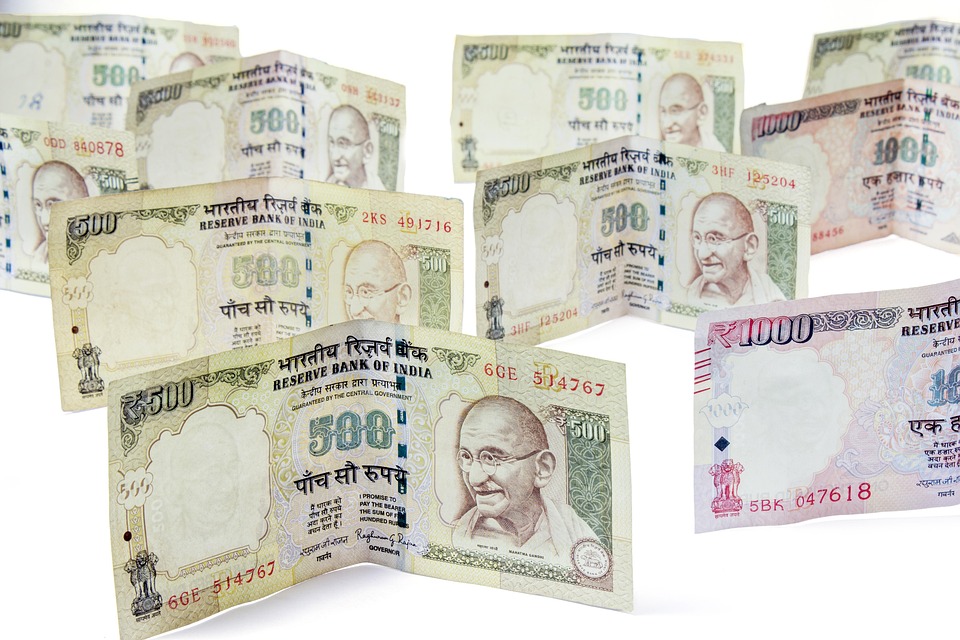
Traveling abroad opens doors to breathtaking cultures, unforgettable experiences, and picturesque landscapes. But if there’s one aspect of travel that can be stressful and complicated, it’s managing foreign currency. Whether you’re planning your dream getaway or a business trip, knowing how to manage your money efficiently in a foreign country is a skill every traveller should master.
In this comprehensive guide, we’ll explore practical strategies for managing foreign currency and answer common questions like: How can I avoid high exchange fees? Should I use cash or cards? and What are the safest ways to carry money abroad? By the end, you’ll feel more confident navigating the financial side of your trip, just like a pro.
Let’s dive into it!
Why Is Managing Foreign Currency Important?
If you’ve ever landed in a new country without proper financial planning and been hit with surprise fees or non-functional cards, you know how quickly the fun of travel can diminish. Managing foreign currency effectively reduces unnecessary costs, saves time, and ensures peace of mind while you explore your destination carefree.
Did you know? According to a 2025 Statista report, 70% of international travellers cite unexpected financial hurdles as a primary stressor during trips. With proper planning, you can stay ahead and focus on enjoying your adventures rather than dealing with financial hiccups.
Planning Ahead: Currency Preparation Tips
Let’s start with an essential rule: Never leave currency arrangements to the last minute! Here’s how to prep before you depart.
1. Research the Exchange Rate
Exchange rates fluctuate daily, so it’s smart to research and compare rates across different providers in your home country. Tools like XE.com or apps such as Revolut update rates in real time.
Exchange bureaus in airports tend to charge notoriously high fees, so avoid converting your cash there unless it’s an absolute emergency. Instead, visit your local bank or utilise online currency exchange platforms for competitive rates.
Pro Tip: Monitor the rate weeks in advance. If you notice the currency has dipped to a favourable rate, exchange a portion early to lock in the savings.
2. Create a Trip Budget
Budgeting is key to ensuring you don’t burn through your funds halfway into your journey. Break your projected expenses into categories like accommodation, transport, meals, and fun activities.
- Research average daily costs at your destination using tools such as Numbeo.
- Consider hidden expenses like local tips, luggage storage fees, and museum entry tickets.
Having a clear budget also helps you decide how much currency you’ll need upfront compared to what you’ll pay with cards.
3. Set Up a Multi-Currency Digital Wallet
Digital wallets like Wise, Caxton, or Revolut offer multi-currency accounts that let you hold, convert, and use currencies at competitive exchange rates. They’re a great alternative to carrying bulky cash.
Choosing the Right Payment Methods While Travelling
The ultimate foreign currency management strategy involves a mix of payment options: cash, debit/credit cards, and digital wallets. Here’s how to decide when to use each:
1. Cash Is Still King (But in Moderation)
Cash is often required in less touristy areas, street markets, and for tipping. Some countries are still cash-heavy, especially in South-East Asia and Africa.
- Avoid carrying all your cash in one location. Divide it across your wallet, pockets, and even in hidden compartments in your travel bag.
- Use smaller denominations when possible. Not every vendor will have change for large bills.
2. Credit Cards for Major Purchases
Credit cards, particularly those with zero international transaction fees, are great for large payments like hotel stays or car rentals.
- Stick to globally accepted cards like Visa or MasterCard. While American Express is widely recognised, it’s not accepted everywhere.
Many cards also provide travel-related perks, such as travel insurance or cashback on international purchases.
3. Digital Wallets for Contactless Payments
Tap-and-pay solutions like Apple Pay, Google Pay, and PayPal are increasingly accepted worldwide. If your destination supports them, these payment methods combine convenience with security.
Using digital wallets also reduces your reliance on physical cards, and you won’t have to risk losing a card while out and about.
Exchange Rate Hacks to Save You Money
You’ve likely heard that exchange rates can make or break your travel budget. Here’s how to make the most of them:
1. Avoid Dynamic Currency Conversion (DCC)
When paying with a card abroad, you might see the option to charge your card in your home currency instead of the local one. This is called dynamic currency conversion, and while it might seem convenient, it’s a trap.
Why? DCC often charges higher exchange rates and additional fees. Always opt to pay in the local currency for better value.
2. Withdraw Strategically
If you prefer to use ATMs abroad, find machines connected to worldwide networks like Visa Plus or MasterCard Cirrus. These often charge lower withdrawal fees.
- Use cards with free international ATM withdrawals. Travel-focused debit cards such as Wise or Monzo are excellent for this.
- Withdraw larger amounts rather than frequent small cash withdrawals to minimise fees.
3. Monitor Currency Fluctuations
Use apps like Currency Converter Plus to stay updated on real-time exchange rates and make informed decisions. If rates drop unexpectedly during your trip, it might be a good opportunity to withdraw more funds.
Protecting Your Money Abroad
Your finances are just as important as your passport when travelling. Here are smart tips to ensure your money stays safe:
1. Carry a Backup Card
Imagine losing your main card on day one of a trip. Nightmare scenario, right? Back-up cards ensure you have an alternative source of funds in emergencies.
Keep your spare card separate from your wallet—perhaps tucked into your luggage’s hidden compartment.
2. Use RFID Blocking Wallets
Unfortunately, electronic pickpocketing is a risk in crowded areas of major cities. Use RFID-blocking wallets to protect your cards from unauthorised scans.
3. Set Transaction Alerts
Many banks allow you to receive SMS or app notifications for card transactions. Enabling this feature helps you monitor any unauthorised purchases in real time.
Technology That Makes Managing Foreign Currency Easier
Apps and digital tools can simplify your foreign currency management. Explore these while travelling:
- Revolut & Wise: Real-time exchange rate monitoring and zero transaction fee solutions.
- Trail Wallet: Tracks daily spending across multiple currencies.
- Splitwise: For splitting bills with fellow travellers.
Consider Tailored Travel Solutions with Nihosi Travels
Managing foreign currency while juggling itineraries and accommodations can be overwhelming. For a stress-free experience, consider tailored travel packages from Nihosi Travels & Tours. Specialising in budget-friendly solutions, Nihosi Tours ensures you get maximum value for every penny—whether it’s planning excursions or navigating local currencies. Learn more at www.nihositravels.com.
Practical FAQs About Foreign Currency While Travelling
Q: What’s the safest way to carry cash while abroad?
A: Use a money belt or RFID-protected wallet, and keep smaller amounts on hand for everyday transactions.
Q: Can I use my credit card everywhere?
A: Cards like Visa and MasterCard are widely accepted, but it’s a good idea to carry some local currency for cash-only establishments.
Q: Are prepaid travel cards worth it?
A: Absolutely! Prepaid travel cards, such as Caxton or Travelex, offer locked-in exchange rates and help you manage spending.
json
Conclusion
Managing foreign currency like a pro doesn’t require you to be a finance expert—it just takes planning, research, and the right tools. By using strategies like monitoring exchange rates, diversifying payment methods, and utilising travel apps, you’ll keep financial stress to a minimum and focus on what truly matters: enjoying your trip.
Ready to make travel seamless? Let Nihosi Travels & Tours handle the details for you. Whether you’re off for a cultural escape in Europe or a beach retreat in Asia, their expertise will ensure your trip is smooth, safe, and bespoke to your budget.
Safe travels!












Subscribe To Our Newsletter
Join our mailing list to receive the latest news and updates from our team.
You have Successfully Subscribed!