
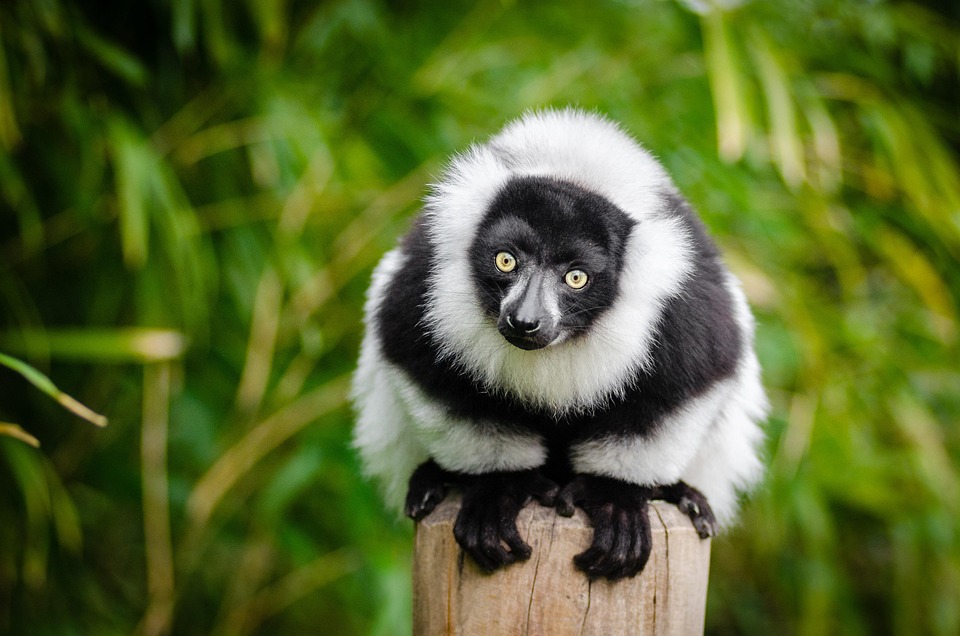
Madagascar, the fourth-largest island in the world, is a gem brimming with breath-taking landscapes, fascinating biodiversity, and a culture that’s as vibrant as it is unique. While many travellers flock to its famous attractions like the Avenue of the Baobabs and Nosy Be, this enchanting island has countless hidden treasures waiting to be discovered by the curious explorer. If you’re ready to go off the beaten path and uncover Madagascar’s lesser-known marvels, you’re in for an adventure of a lifetime.
In this comprehensive guide, we’ll delve into Madagascar’s best hidden treasures, offer travel tips for curious explorers, and help you build the ultimate itinerary. From secluded beaches to untouched rainforests, you’ll soon understand why Madagascar is a bucket-list destination like no other.
Why Explore Madagascar’s Hidden Treasures?
Before diving into the specifics, let’s explore why you should venture beyond the well-trodden tourist paths in Madagascar.
- Unmatched Biodiversity: Madagascar is home to 5% of the world’s species, with over 90% of its wildlife found nowhere else on Earth.
- Authentic Local Experiences: Avoiding the typical tourist traps allows you to connect with Malagasy locals and experience their culture on a deeper level.
- Eco-Tourism Heaven: Many of Madagascar’s hidden gems promote sustainable tourism, offering eco-conscious travellers guilt-free adventures.
For the curious explorer, Madagascar promises an authentic and enriching journey far from the crowds. So, pack your adventurous spirit and let’s dive in!
1. Masoala National Park: Rainforest Meets the Sea
What Makes It Special?
Nestled on the northeastern coast, Masoala National Park is both awe-inspiring and underrated. This UNESCO World Heritage Site boasts pristine rainforests spilling into turquoise waters, offering a unique combination of beach and jungle experiences.
With over 2,300 square kilometres of protected land, Masoala is a paradise for nature lovers. It’s home to nocturnal aye-ayes, the vibrant tomato frogs, and strikingly beautiful orchids. Your trip here can even include snorkelling or kayaking, making it a spot that seamlessly blends adventure with ecology.
Top Tip for Travellers:
Hire a knowledgeable local guide. They’ll help you spot camouflaged chameleons and introduce you to Madagascar’s unique flora and fauna. Keep in mind that the park is remote, requiring a hike or boat ride to access.
2. Tsingy de Bemaraha: A Limestone Wonderland
What Makes It Special?
The Tsingy de Bemaraha is like stepping into an alien world. This vast labyrinth of sharp limestone formations, known as “Tsingy,” is one of Madagascar’s most unique landscapes and a true geological wonder. The area is a UNESCO World Heritage Site and boasts treetop suspension bridges, caves, and endemic species that thrive in this extreme environment.
Activities to Explore:
- Traverse the Tsingy Canopy Walks for panoramic views of the jagged peaks.
- Go on guided hikes that reveal hidden caves and rivers.
- Spot wildlife like the Decken’s sifaka lemur, known for its acrobatic skills.
Top Tip for Travellers:
Pack sturdy hiking shoes and be prepared for a challenging trek. If you’re arriving in the rainy season (December to April), many parts of the park may be inaccessible.
3. Nosy Hara Archipelago: Your Private Beach Paradise
What Makes It Special?
While Nosy Be is Madagascar’s most celebrated island destination, the lesser-known Nosy Hara Archipelago in the northwest is ideal for those seeking solitude. Dotted with small, uninhabited islands, Nosy Hara is a haven for snorkelling, diving, and soaking up the sunshine on untouched beaches.
The surrounding coral reefs teem with marine life, making this a diver’s dream. Whether you want to explore the underwater world or kayak through stunning lagoons, Nosy Hara delivers unspoiled natural beauty.
Top Tip for Travellers:
Bring your own snorkelling or diving equipment since rental options are highly limited. It’s also worth pre-arranging boat excursions from Diego Suarez to explore the archipelago fully.
4. Isalo National Park: Madagascar’s Grand Canyon
What Makes It Special?
Isalo National Park offers a dramatic change in scenery compared to Madagascar’s rainforests and beaches. This sandstone plateau features deep canyons, natural rock pools, waterfalls, and savannahs.
Hiking in this semi-arid park rewards you with stunning views, highlights like the “Piscine Naturelle” (a crystal-clear natural swimming pool), and sightings of endangered lemurs like the Verreaux’s sifaka.
Activities to Explore:
- Take the Namaza Circuit hike to reach the Piscine Naturelle.
- Spot endemic bird species like the Benson’s rock thrush.
- Marvel at the jaw-dropping Canyon des Makis.
Top Tip for Travellers:
Set aside at least two full days to enjoy Isalo. Bring plenty of water, a hat, and sunscreen, as Madagascar’s dry heat can take a toll.
5. Anakao: A Lazy Fishing Village
What Makes It Special?
If you’re after a laid-back coastal escape, Anakao in southern Madagascar fits the bill. This charming fishing village offers tranquil beaches, clear waters, and a slower pace of life.
Take the opportunity to unwind on the shore or join local fishers to understand traditional Malagasy fishing techniques. Anakao also serves as the gateway to Nosy Ve, a tiny coral island with fantastic snorkelling spots and nesting sites for red-tailed tropicbirds.
Top Tip for Travellers:
Stay at one of the eco-lodges in the area, which supports local communities. Many offer excursions to nearby attractions like the Tsimanampetsotsa National Park.
Essential Travel Tips for a Flawless Madagascar Adventure
Whether you’re a travel veteran or stepping outside your comfort zone, these tips ensure that your Madagascar trip runs smoothly:
-
Pack Light, Pack Smart
Bring essentials for both humid rainforests and dry savannah climates. Comfortable hiking shoes, quick-drying clothes, and insect repellent are must-haves. -
Travel Off-Season
If you’re looking for quieter parks and better hotel deals, travel during the low season (May to October). -
Learn Basic Malagasy Phrases
While French is widely spoken, a few Malagasy words can go a long way in earning locals’ friendliness. “Misaotra betsaka” means “Thank you very much.” -
Respect Cultural and Environmental Norms
Participate in eco-friendly activities and respect local customs. Avoid plastic waste and opt for reusable water bottles wherever possible. -
Book Tours with Local Guides
Local guides not only enhance your safety but also make your explorations more meaningful with their knowledge of the land, culture, and hidden spots.
FAQs About Exploring Madagascar’s Hidden Treasures
Here’s everything you’ve been wondering about exploring the remote corners of Madagascar.
1. What’s the best time to visit Madagascar?
The ideal time to visit is during the dry season (April to November), which offers perfect conditions for hiking and wildlife spotting.
2. Is Madagascar a safe destination for travellers?
Yes, Madagascar is generally safe for travellers. However, petty theft can occur in urban areas, so be cautious with your belongings.
3. Do I need a visa for Madagascar?
Yes, tourists need a visa. You can acquire one upon arrival at the airport or apply online before your trip.
4. Are there luxury accommodation options near hidden gems?
Most hidden spots are eco-centric, offering mid-range to budget accommodations. However, areas like Anakao and Nosy Hara provide luxury lodges perfect for splurging.
5. What wildlife should I expect to see?
From quirky lemurs to vibrant chameleons and tropical birds, Madagascar’s biodiversity is a highlight. You might even encounter the elusive fossa, Madagascar’s top predator.
Conclusion
Madagascar’s best hidden treasures offer more than just incredible sights—they provide authentic experiences that will stay with you for a lifetime. From remote national parks to secret islands, these destinations are perfect for the curious explorer eager to delve into a world of unparalleled natural beauty and unique cultural encounters.
Explore these hidden gems with curiosity, and remember that the journey through Madagascar isn’t just about the destination—it’s about discovering the extraordinary in the unfamiliar.
Ready to turn your dream trip into reality? Check out Nihosi Travels & Tours for curated experiences that help you uncover Madagascar’s hidden treasures.
Happy travels, adventurer!









Subscribe To Our Newsletter
Join our mailing list to receive the latest news and updates from our team.
You have Successfully Subscribed!