
Uncover Libya’s Unique Charm: A Journey Through Its Rich History and Landscapes
From its captivating ancient ruins to its sweeping desert landscapes, Libya remains one of the Middle East’s and North Africa’s most underrated travel destinations. Packed with history, culture, and natural wonders, this country offers an alluring mix of the ancient and modern world. Despite challenges that have shaped its recent past, Libya’s unique charm lies in its ability to tell a story—one of resilience, cultural preservation, and breathtaking beauty waiting to be explored.
In this article, we’ll take you on an incredible journey through Libya’s rich history, its stunning landscapes, and hidden treasures. Whether you’re an adventurer, history enthusiast, or someone looking to explore an off-the-beaten-path destination, Libya has something special, if not extraordinary, for everyone.
A Land Where Time Stands Still
Libya has a cultural and historical significance that stretches back centuries, with influences from the Berbers, Phoenicians, Greeks, Romans, and Arabs. Its past is etched in every corner of the country, from ancient ruins to traditional markets.
The Ancient Ruins of Leptis Magna
When we talk about Libya’s historical treasures, Leptis Magna, situated near the coast of the Mediterranean, tops the list. A UNESCO World Heritage Site, this well-preserved Roman city is one of the finest examples of Roman architecture outside Italy. It’s no exaggeration to say walking through Leptis Magna feels like stepping back in time.
The ancient theatre, baths, basilicas, and intricate mosaics are worth marvelling at. Don’t miss the Severan Arch, an architectural masterpiece that speaks to Rome’s grandeur during Emperor Septimius Severus’ era.
If you’re wondering how to make your visit even more memorable, consider joining a guided tour from experts like Nihosi Travels & Tours, who make navigating through this monumental site seamless.
Cyrene: The Jewel of Greek Influence
For fans of Greek history, Cyrene, another UNESCO-listed gem, is a must-visit. Located in eastern Libya, Cyrene was one of the most powerful cities in the Hellenic world. The ruins, set against the backdrop of the stunning Jebel Akhdar mountains (Green Mountains), tell tales of ancient philosophers, bustling marketplaces, and strategic conquests.
Highlights of the site include the massive Temple of Apollo, the impressive amphitheatre, and Roman-era baths. Whether you’re chasing sunsets over marble ruins or exploring tucked-away artefacts, Cyrene continues to charm visitors in unimaginable ways.
Ghadames: The Pearl of the Desert
For those seeking a dive into traditional Libyan culture, the oasis town of Ghadames is an essential stop. Known as the “Pearl of the Desert,” this ancient Saharan city is an epitome of how local architecture adapts to extreme desert climates.
Its labyrinth-like layout of whitewashed, mud-brick homes is designed to maintain cool interiors and reflects ingenious sustainable methods long before modern climate-conscious design.
Strolling through the town seems almost magical. With narrow alleys and an array of community spaces perfectly preserved, Ghadames is also a UNESCO World Heritage Site—a testament to the importance of desert-dwelling communities and their historic role in enabling caravan trade.
Did you know? Many traditional homes in Ghadames have colourfully painted interiors, offering a glimpse of how art and practicality go hand in hand in Libyan tradition.
Discovering Libya’s Natural Wonders
Beyond its historical landmarks, Libya boasts striking natural landscapes that guarantee to leave visitors awestruck. With rolling sand dunes, dramatic mountains, and Mediterranean coastlines, each terrain promises a different kind of adventure.
The Great Sand Sea
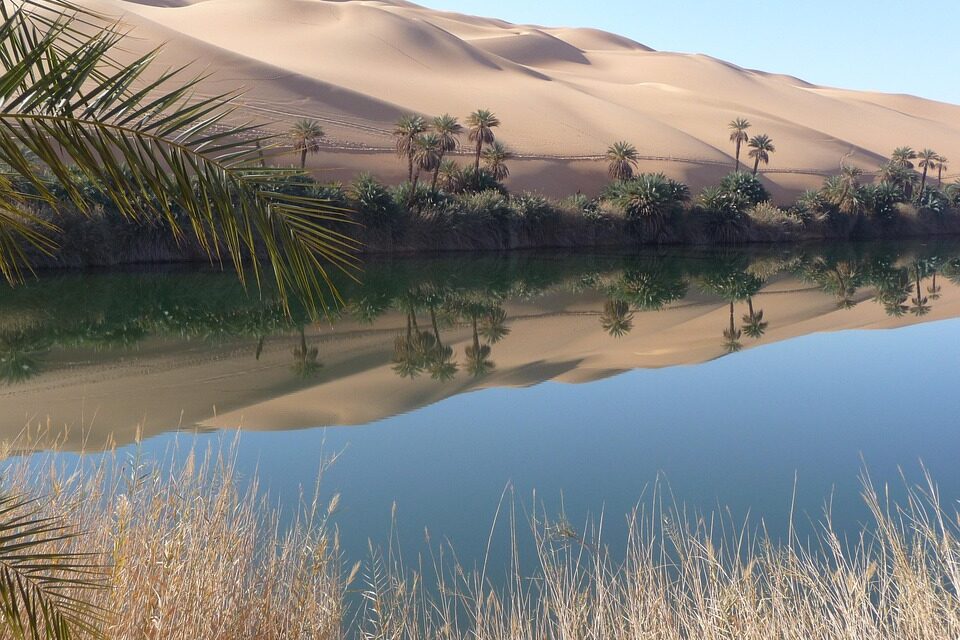
Discover nature’s grand masterpiece in the expansive Great Sand Sea. Situated in the southern Libyan Desert, this vast area of uninterrupted sand dunes is one of the most surreal wonders of the world. At first glance, the sea of dunes seems endless, with colours shifting under the play of sunlight.
For thrill-seekers, sandboarding and desert safaris are bucket-list experiences here. Your nights in the Great Sand Sea will be equally fascinating, with clear skies turning into celestial showcases of stars that will make you feel closer to the universe.
Pro Tip: The best time to visit the Libyan Desert is between October and April when temperatures are cooler, making explorations more comfortable.
The Akakus Mountains
A UNESCO World Heritage Site, the Akakus Mountains are another jaw-dropping natural highlight of Libya. Located near Libya’s border with Algeria, these rugged formations are famous for their prehistoric rock art that dates back to 12,000 years.
The petroglyphs etched into the rocks depict scenes of early human life—such as hunting, celebrations, and animals that no longer inhabit the region, like giraffes. Beyond history, the Akakus Mountains’ dramatic landscapes make for picture-perfect hikes. Natural arches, towering sandstone pillars, and vivid orange sunsets make this trail unlike any other.
Mediterranean Coastline
If deserts and mountains are not your calling, Libya’s gentle yet majestic Mediterranean coastline will captivate you. With over 1,700 kilometres of largely untouched beaches, the coastline offers tranquillity and surreal views that remain vastly off the radar for mass tourism.
Exploring beach destinations like Zuwara and Sabratha not only connects you to the lap of nature but gives insight into ancient port settlements and their role in shaping Libya’s maritime history.
Culture, Cuisine, and the Hospitality of the Libyan People
What makes Libya even more appealing is its rich cultural traditions and genuinely warm hospitality.
Libyan Cuisine: A Culinary Delight
Food is an intrinsic part of experiencing Libya’s charm. From bazeen, a dish of barley dough served with meat and gravy, to asida, a sweet pastry often enjoyed during celebrations, Libyan cuisine is packed with flavourful surprises. Indulge in freshly caught seafood along the coast or enjoy spiced camel meat served with soft bread in the interiors—it’s a gastronomic journey that caters to every palate.
Tea culture, too, is sacred in Libya. A traditional “Sarayah” tea ceremony entails slow preparation, sweetened with sugar and often infused with mint or peanuts. Don’t miss this quintessential Libyan experience!
Festivals and Traditions
Libya’s cultural calendar is dotted with celebrations and festivals. Locals welcome travellers with open arms, ready to share their customs and stories. The Ghadames Festival, for instance, celebrates desert heritage with music, dance, and camel racing, offering tourists an immersive cultural experience.
Tips for Visiting Libya
- When to Visit: The best time to explore Libya is during the autumn and winter months (October to March) when the weather is cooler and suitable for outdoor activities.
- Obtaining a Visa: Travellers should check with local consulates to understand visa requirements and travel advisories.
- Cultural Sensitivity: As a predominately Muslim nation, dressing modestly and respecting local traditions are crucial.
- Hire Guides: Navigating Libya’s remote locations can be tricky. Guides from expert operators like Nihosi Travels & Tours ensure safe, insightful experiences for tourists.
Why Libya Deserves a Place on Your Bucket List
While Libya might not yet rank as a mainstream travel destination, its charm lies in its underexplored nature. It’s a place where you can stand alone amidst vast desert dunes, walk through ancient amphitheatres without the faintest crowd, and immerse yourself in a culture that’s authentic and deeply rooted in Arabian tradition.
Travel here isn’t just about ticking off landmarks—it’s about truly experiencing untouched history, breathtaking views, and genuine connections with people willing to share their stories and way of life.
So, why wait? Start planning your journey to Libya today, and unlock a piece of history that remains untouched by time.
FAQs
Q: Is Libya safe for solo travellers?
A: While Libya is still emerging on the travel scene, safety conditions can vary. It’s recommended to travel with trusted tour operators and research up-to-date safety advice before departing.
Q: What makes Ghadames unique?
A: Ghadames showcases incredible mud-brick architecture essential for desert living. Its vibrant interiors and cultural history make it an unforgettable destination.
Q: Can you visit Libya’s archaeological sites year-round?
A: Yes, but the cooler months between October and March are best for comfortable exploration.
Q: Is travel in the desert safe?
A: Travel in Libya’s remote regions is best done with experienced desert guides to ensure safety and avoid getting lost.
json
With its captivating beauty, Libya is a destination that is more than deserving of exploration. For tours or guidance, look no further than Nihosi Travels & Tours at www.nihositravels.com to plan your ultimate adventure.












Subscribe To Our Newsletter
Join our mailing list to receive the latest news and updates from our team.
You have Successfully Subscribed!