
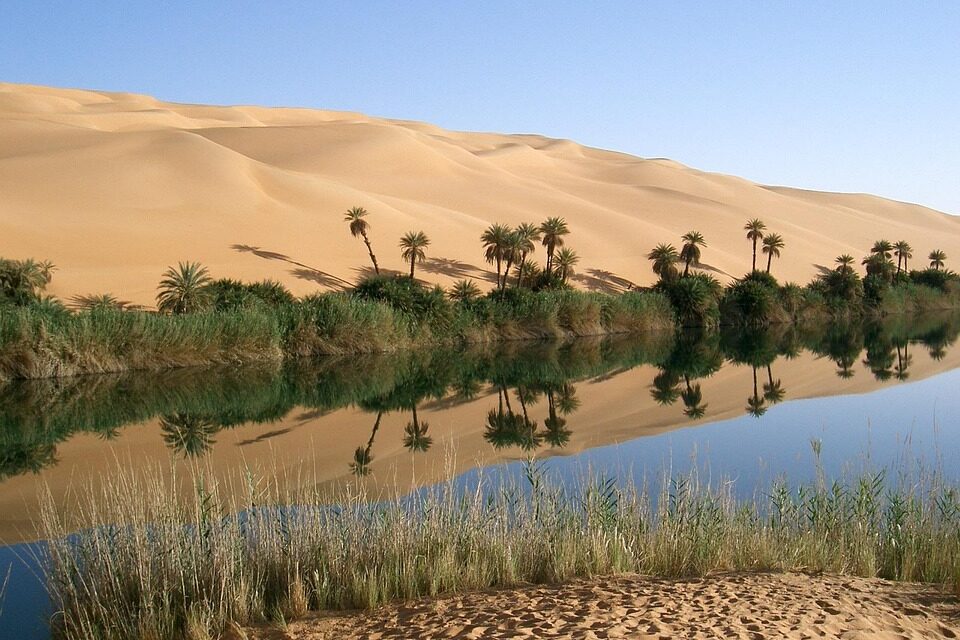
Libya is a country of contrasts, where ancient ruins whisper stories of bygone empires, and vast deserts stretch endlessly, offering unparalleled natural beauty. Nestled in North Africa, with the Mediterranean Sea to the north and the Sahara to the south, Libya is a treasure trove of history and natural wonder waiting to be explored. Although less travelled due to its recent political challenges, those who venture to Libya are rewarded with a breathtaking combination of historical intrigue and awe-inspiring landscapes.
In this travel guide, we’ll take you on a journey through the must-visit historical sites and natural wonders of Libya. Whether you are a history buff, an adventure seeker, or someone yearning for a unique travel experience, Libya promises to captivate your imagination like no other destination.
Why Visit Libya?
The question that perhaps arises is, “Why Libya?” The answer is simple: Libya is unapologetically unique. Its landscape seamlessly merges ancient Roman, Greek, and Berber landmarks with unspoiled deserts and pristine coastlines. This perfect harmony between culture and nature allows travellers to experience the beauty of human creativity alongside the Earth’s raw splendour.
From the towering ruins of Leptis Magna to the golden dunes of the Sahara, Libya has something for every traveller. It’s also one of the world’s lesser-explored destinations, making it ideal for adventurers seeking off-the-beaten-track experiences.
Quick Facts About Libya
- Capital: Tripoli
- Official Language: Arabic
- Currency: Libyan Dinar (LYD)
- Best Time to Visit: Spring (March-May) and Autumn (September-November)
- Main Attractions: Leptis Magna, Ghadames, Akakus Mountains, Cyrene
The Top Historical Sites in Libya
1. Leptis Magna: The Jewel of Roman Africa
Nestled along Libya’s Mediterranean coast, Leptis Magna is one of the most well-preserved and awe-inspiring Roman cities in the world. Often dubbed as the “Rome of Africa,” this archaeological marvel offers a glimpse into the grandeur of Roman urban planning.
Must-see highlights:
- The Arch of Septimius Severus: Built to honour the Roman emperor who was born here.
- The Severan Basilica: A monumental structure showcasing Roman architectural brilliance.
- The ancient theatre, which overlooks the sparkling Mediterranean Sea.
Leptis Magna isn’t just a pile of ruins; it’s an experience. You’ll feel transported back in time as you walk along its ancient streets.
2. Ghadames: The Pearl of the Desert
Ghadames, a UNESCO World Heritage Site, is a Berber oasis town located near Libya’s western border with Tunisia and Algeria. It’s often referred to as the “Pearl of the Desert” for its whitewashed architecture and labyrinthine alleys designed to combat the harsh desert climate.
What makes Ghadames truly fascinating is the ingenious way locals historically designed their homes to keep cool during scorching summers. Their multi-level architecture consists of lower levels for storage, first floors for bedrooms, and flat rooftops serving as communal spaces.
Visiting Ghadames also gives you insight into Berber traditions and hospitality. If you visit during cultural festivals, you’ll witness colourful displays of dance, music, and storytelling.
3. Cyrene: A Peek into Ancient Greece
Cyrene, located in eastern Libya, stands as a testament to ancient Greek civilisation. Established as a Greek colony in 631 BC, this remarkable city later became an important centre for culture and philosophy.
Top attractions in Cyrene include:
- The Temple of Apollo: One of the city’s most impressive structures.
- The Sanctuary of Demeter and Persephone, a nod to Greek mythology.
- The stunning Necropolis, home to over 1,000 tombs carved into the rock.
Cyrene is a history lover’s dream. Surrounded by mountains and lush greenery, it’s also a stark contrast to Libya’s arid desert regions.
4. Sabratha: An Amphitheatre by the Sea
Sabratha, another ancient Roman city, is famous for its beautifully restored amphitheatre, which faces the azure Mediterranean coast. Located just west of the capital Tripoli, Sabratha forms part of the Tripolitania region, which was integral to Roman Africa.
Walking through Sabratha feels like delving into a living museum. Don’t miss:
- The iconic theatre, which regularly hosted gladiator games.
- The baths and temples, revealing facets of ancient Roman daily life.
- The mosaics, which are scattered throughout the city, depicting mythological scenes.
Libya’s Natural Wonders
1. The Sahara Desert: Libya’s Endless Sea of Sand
Spanning much of Libya’s geography, the Sahara Desert is a must-visit for anyone seeking an otherworldly adventure. Its vast expanse of golden dunes, rocky plateaus, and shifting sands offers peace and solitude unlike anywhere else.
Adventure ideas for the Sahara Desert:
- Camping under the stars: The Sahara is known for its pristine night skies, making it a paradise for stargazers.
- Desert trekking: Explore the mesmerising dunes and plateaus on camelback or 4×4 vehicles.
- Visit Waw-an-Namus, a dormant volcanic crater surrounded by a strikingly lush oasis.
2. Akakus Mountains: Prehistoric Art Gallery
Located in western Libya, the Akakus Mountains are more than a geographical marvel. These towering orange and red sandstone formations also serve as a prehistoric art gallery, akin to visiting an open-air museum.
Travellers will find thousands of ancient petroglyphs and engravings, some dating back to 12,000 BC. These artworks depict animals like giraffes, elephants, and human figures, showcasing a time when this region was lush and teeming with life.
The Akakus Mountains are not just about the ancient art—they’re home to jaw-dropping desert scenery, making them perfect for photography enthusiasts.
3. The Ubari Sand Sea and Lakes
Tucked within the Fezzan region lies the Ubari Sand Sea, an expanse of surreal sand dunes punctuated by hidden desert lakes. Among the most famous is Lake Gaberoun, its turquoise waters shimmering under the desert sun.
As you approach these isolated oases, you’ll feel as though you’ve stumbled onto another planet. Floating in the salty waters of Gaberoun is an unforgettable experience, but the landscape surrounding the lakes is equally captivating.
Tips for Travelling to Libya
- Secure a Local Guide: Libya isn’t your typical DIY destination. Hiring an experienced local guide or using a travel agency like Nihosi Travels & Tours can make your journey easier and more rewarding.
- Travel Documentation: Ensure your visa, permits, and other documents are in order. It’s always a good idea to plan ahead.
- Dress Code: Libya is a conservative country. Wear modest clothing out of respect for local customs.
- Language: Arabic is the primary language, so learning a few basic phrases can go a long way.
Best Time to Visit Libya
The ideal time for a Libyan adventure is during the spring (March-May) or autumn (September-November). These months bring pleasant weather, making it easier to explore both the historical sites and natural wonders.
For desert enthusiasts, winter (December-February) is a good time to visit as the Sahara’s heat subsides slightly, offering milder conditions.
FAQs About Travelling to Libya
1. Is Libya safe for tourists?
While Libya has experienced challenges in the past, many regions are now safe for tourists, especially when visiting with a reputable local guide or agency. Always check travel advisories before planning your trip.
2. Can I visit the Sahara Desert in Libya?
Yes! The Libyan Sahara offers some of the most stunning landscapes, including the Ubari Sand Sea, Akakus Mountains, and Waw-an-Namus.
3. What currency is used in Libya?
The Libyan Dinar (LYD) is the official currency. It’s best to carry cash because credit cards are not widely accepted.
4. Are there cultural customs I should be aware of?
Libyan culture is conservative, and respect for local traditions is important. Dress modestly and always ask permission before photographing people.
Libya is a destination like no other. From its awe-inspiring ancient ruins to the haunting beauty of its deserts, the country promises an unforgettable adventure for every traveller. Whether you’re exploring the grandeur of Leptis Magna, soaking in the turquoise serenity of desert lakes, or marvelling at prehistoric petroglyphs in the Akakus Mountains, Libya will leave you enchanted.
Pack your bags, feel the rhythm of history under your feet, and let Libya’s mesmerising beauty unfold before you!










Subscribe To Our Newsletter
Join our mailing list to receive the latest news and updates from our team.
You have Successfully Subscribed!