
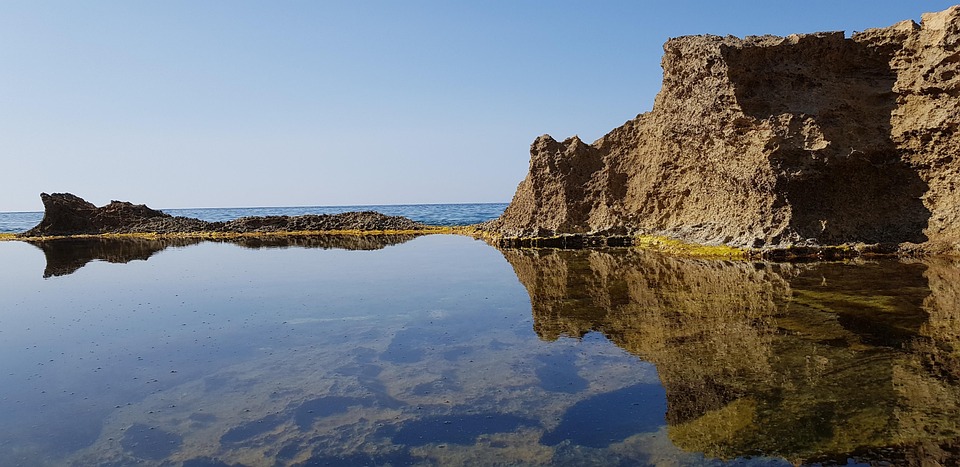
Nestled in North Africa, Libya remains a mystery for many travellers. A nation flanked by the shimmering Mediterranean Sea to the north and the vast Sahara Desert to the south, Libya is a country steeped in history, culture, and natural beauty. While its renowned cities like Tripoli and Benghazi have garnered attention, countless treasures—ancient ruins and natural wonders—lie hidden in plain sight, waiting to be discovered.
In this guide, we’ll dive deep into Libya’s best-kept secrets, uncovering its lesser-known but undeniably stunning archaeological sites and breathtaking landscapes. Whether you’re a history enthusiast, adventure seeker, or someone itching to explore unspoiled vistas, Libya promises an unforgettable journey.
Why Visit Libya?
Libya is an untapped treasure trove of unique experiences. With its blend of ancient relics, pristine nature, and an uncanny ability to transport you into a bygone era, it emerges as a dream destination for travellers seeking the road less travelled.
This remarkable nation boasts:
- UNESCO World Heritage Sites: Libya is home to five awe-inspiring UNESCO-listed locations, ranging from Roman cities to millennia-old rock art.
- Unspoiled Nature: From towering sand dunes to dazzling turquoise coasts, the natural beauty of Libya feels untouched by time.
- Fascinating History: Libya’s historical significance spans millennia, with evidence of Phoenician, Greek, Roman, Byzantine, and Berber influences etched across the country.
The Best Ancient Ruins in Libya
1. Leptis Magna: The Jewel of the Roman Empire
Tucked along the Mediterranean coastline, Leptis Magna stands as one of the most well-preserved ancient Roman cities in the world. Dubbed the “Rome of Africa,” this site once prospered as a significant trade centre under the Emperor Septimius Severus, who was born here.
What To Explore
- Severan Basilica: A majestic structure that showcases the architectural prowess of ancient Rome.
- Theatre of Leptis Magna: Perched on a hill, this amphitheatre offers sweeping views of the sea.
- The Arch of Septimius Severus: An iconic symbol of Leptis Magna’s grandeur, this intricately carved monument is a sight to behold.
Why Visit: Walking through the well-preserved streets of Leptis Magna feels like stepping back in time. It’s a UNESCO World Heritage site that beautifully encapsulates the might and sophistication of Roman urban planning.
2. Cyrene: A Greek Odyssey in North Africa
If you’re a fan of ancient Greek history, Cyrene is a must-visit. Perched in the fertile Jebel Akhdar mountains, this city was once considered North Africa’s intellectual hub, often compared to Athens for its cultural significance.
What To Explore
- Temple of Zeus: Larger than the Parthenon in Athens, this remarkable temple is testament to Greek architectural ambitions.
- The Sanctuary of Apollo: Featuring ruins from various eras, this spot blends history with a sense of tranquillity.
- Agora and Gymnasium: Perfect for imagining the vibrant social scenes of ancient Greek civilization.
Why Visit: Cyrene’s ruins, surrounded by rolling greenery and cliffs that overlook the Mediterranean, are hypnotic. Its serene setting foregoes the chaotic tourist presence you’d experience in similar sites elsewhere.
3. Sabratha: Where Phoenicians and Romans Meet
Overlooking the Mediterranean, Sabratha began as a Phoenician trading post before being absorbed into the Roman Empire. The city became a cultural melting pot, blending African, Greco, and Roman influences.
What To Explore
- The Theatre of Sabratha: Tiered seating that could host up to 5,000 spectators, complete with vibrant mosaics.
- Bath Complexes: Explore the public baths, showcasing Roman mastery in construction and engineering.
- Temples of the Sacred Path: Dedicated to various Roman gods, these temples capture the spirit of their time.
Why Visit: Sabratha offers fewer crowds, serene coastal views, and stunning architectural ruins—all hallmarks of Libya’s best-kept secrets.
Libya’s Natural Wonders
4. The Sahara Desert: A Sea of Golden Dunes
No trip to Libya would be complete without venturing into the sprawling Sahara Desert. Stretching endlessly, the desert is home to majestic sand dunes, salt flats, and oasis towns straight out of a dream.
Highlights
- Acacus Mountains: Famous for their prehistoric rock art, these mountains are a UNESCO World Heritage site with carvings dating back 12,000 years.
- Murzuq Sand Sea: A vast expanse of undulating dunes offering surreal landscapes and unforgettable sunsets.
- Ubari Lakes: These turquoise oases, nestled amidst golden sands, are a true natural wonder.
Why Visit: Beyond its compelling beauty, the Sahara offers moments of unmatched solitude and connection with nature, making it a spiritual experience for many visitors.
5. The Jebel Akhdar: Libya’s Green Mountain Range
A sharp contrast to the arid landscapes dominating most of Libya, the Jebel Akhdar (Green Mountain) region is a haven of lush valleys, pine forests, and Mediterranean charm.
Highlights
- Wadi el Kuf Bridge: Known for its architectural beauty, it blends perfectly with the backdrop of rolling hills.
- Cycling and Hiking Trails: A paradise for outdoor enthusiasts seeking adventure coupled with stunning views.
- Rural Villages: Encounter warm hospitality while exploring traditional villages and local delicacies.
Why Visit: Ideal for eco-tourism and those seeking respite from the arid regions, Jebel Akhdar presents a refreshing side of Libya.
6. The Gulf of Sidra: Pristine Mediterranean Waters
The Gulf of Sidra (or Sirte) is an ecological jewel marked by stunning beaches with crystal-clear waters. Activities like snorkelling, diving, and even dolphin watching are popular along this underexplored shoreline.
What To Experience
- Farwa Island: A secluded island oasis offering white sands and turquoise waters.
- Marine Wildlife: Spot exotic fish species and enjoy pristine coral reefs.
Why Visit: The Gulf of Sidra is perfect for anyone longing to experience untouched Mediterranean magic without the crowds of southern Europe.
Practical Travel Tips for Visiting Libya
If Libya’s incredible sites are calling your name, here are some actionable tips to make the most out of your journey:
1. Travel Permits and Visa Requirements
Libya requires a pre-arranged visa for most foreign travellers. Plan well in advance to ensure all logistics, such as travel permits for sensitive areas, are handled smoothly.
2. Book With Expert Guides
Navigating Libya can be challenging without professional assistance. Companies like Nihosi Travels & Tours offer curated packages, covering top destinations and ensuring secure travel.
3. Indulge in Local Cuisine
Libyan food reflects its cultural diversity. Don’t miss dishes like bazin (a traditional barley-based dish), couscous, and asida (sweetened dough served with honey).
FAQs
Below, we answer common questions travellers have about Libya:
Q1: Is Libya safe for tourists?
Libya’s safety situation varies depending on the region. Coastal cities and archaeological sites are more accessible for tourists when partnered with trusted tour operators.
Q2: What’s the best time to visit Libya?
The ideal months to explore Libya are March-May and September-November, when the weather is mild and suitable for outdoor activities.
Q3: Are ancient sites in Libya well-preserved?
Yes, sites like Leptis Magna, Sabratha, and Cyrene are considered some of the world’s best-preserved archaeological wonders.
(Include JSON-LD FAQ schema here.)
The Final Word
Libya’s ancient ruins and natural wonders stand as silent witnesses to centuries of history, culture, and beauty. From the grandeur of Leptis Magna to the golden sands of the Sahara, every corner of this enigmatic land tells a story.
Although often overlooked, Libya is an unparalleled destination for travellers with a spirit of adventure. By stepping off the beaten path, you’ll uncover treasures that more commercialised destinations simply can’t offer.
Ready to experience the magic? Start planning your journey now—Libya’s secrets are waiting to be discovered!
Disclaimer: Check with travel authorities and local operators like Nihosi Travels & Tours for the latest travel advisories before embarking on your Libyan expedition. Safe journeys!










Subscribe To Our Newsletter
Join our mailing list to receive the latest news and updates from our team.
You have Successfully Subscribed!