
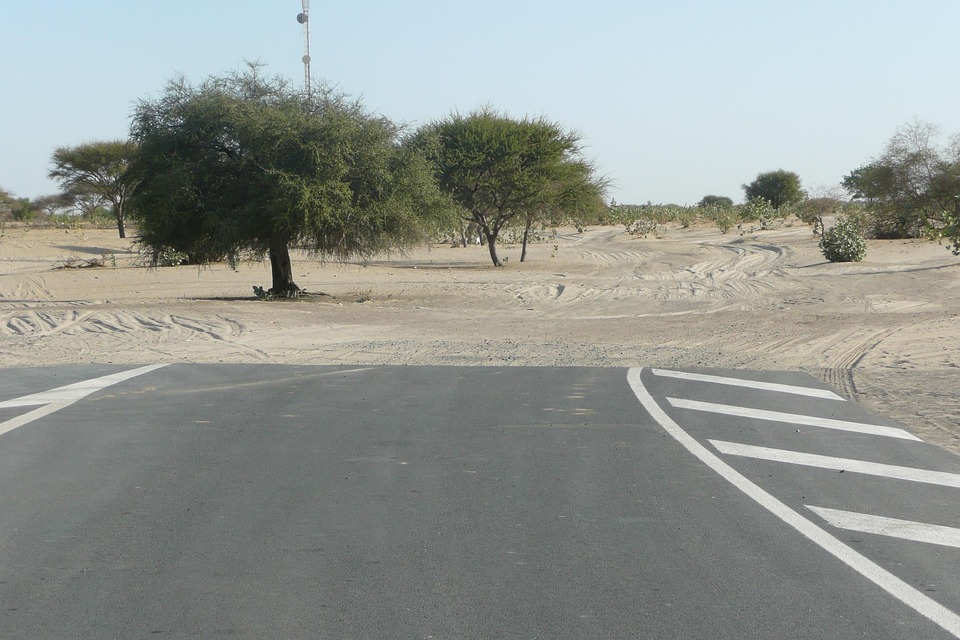
Exploring Lake Chad: The Heart of Africa’s Hidden Wonder
Lake Chad, a once-mighty body of water nestled at the crossroads of four countries—Chad, Niger, Nigeria, and Cameroon—has long captivated the curiosity of adventurers, historians, and ecologists alike. Known as “The Heart of Africa,” Lake Chad is much more than just a geographical feature; it is a symbol of history, culture, biodiversity, and an ongoing environmental challenge that underscores the delicate balance between humanity and nature.
Join us as we dive into the history, culture, ecological importance, challenges, and the surrounding treasures of Lake Chad. This exploration of Africa’s hidden wonder will leave you itching to learn more or even plan a visit of your own.
An Ancient Marvel: The History of Lake Chad
Lake Chad isn’t just a lake. It’s a relic of ancient times when much of northern Africa was covered in vast wetlands. Around 7,000 years ago, Lake Chad was colossal—covering an estimated 1 million square kilometres. It dwarfed its current size and supported ancient civilisations with fertile lands and abundant resources, becoming a cradle of life in Saharan Africa.
The lake was crucial for early explorers and traders as it formed part of the Sahelian trade routes. Even the Roman historians referenced this body of water in their accounts of Africa, calling it the “Great Sea of the Sahara.” Its significance continued to grow during the Kanem-Bornu Empire’s rule, where Lake Chad represented a hub of economic and cultural activity.
But over time, as the climate evolved and human influence increased, Lake Chad began shrinking. By the mid-20th century, the size had already reduced drastically. Yet, its cultural and historical significance remains timeless—an enduring reminder of Africa’s ancient glories.
Why Lake Chad is One of Africa’s Hidden Wonders
Ever heard of Lake Victoria or the Nile River when reading about Africa? While these features steal the limelight, Lake Chad quietly holds its own. Its nickname, “The Disappearing Lake,” belies its extraordinary ecological, cultural, and geopolitical importance.
1. A Biodiversity Hotspot
Lake Chad serves as a watering hole for some of the most fascinating animal species in Africa. Elephants, hippos, and crocodiles share its shores with countless bird species, making it an important bird migration zone.
The lake’s waters are home to over 85 species of fish, while its surrounding wetlands host vegetation critical to the survival of regional wildlife. Conservationists continue to emphasize Lake Chad’s importance as one of Africa’s last bastions of biodiversity.
2. A Cultural Melting Pot
Beyond its natural beauty, Lake Chad is a meeting point for diverse cultures. Farmers, fishermen, and traders from various ethnic groups such as the Kanuri, Hausa, and Fulani have coexisted for centuries. These communities rely on the lake for their livelihoods, making it not just an environmental resource but also a cultural treasure trove.
How to Visit Lake Chad
Visiting Lake Chad offers incredible experiences, but it may not be as straightforward as booking a ticket. Tourists aiming to explore this gem should prepare for a rugged yet rewarding journey.
Here are a few tips:
- Entry Points: Depending on the starting point, you can access Lake Chad via countries like Chad or Nigeria. N’Djamena, the capital of Chad, is a popular base for visitors heading to the lake.
- Local Guides: Hiring guides is not just essential for navigation but also offers in-depth insights into the history and culture surrounding the lake.
- Pack Light, Pack Smart: Whether camping along the lake or taking a traditional canoe ride, good preparation is vital in this remote location.
For travel arrangements, Nihosi Travels & Tours (www.nihositravels.com) offers exceptional guided trips. Their tailored eco-tours ensure that travellers experience Lake Chad’s magic responsibly while also supporting local communities.
Environmental Challenges: Is Lake Chad Disappearing?
One of the most urgent discussions about Lake Chad revolves around its alarming shrinkage. Over the past 60 years, the lake has lost more than 90% of its surface area. This reduction has earned it the ominous nickname, “The Disappearing Lake.”
1. The Causes
- Climate Change: A hotter, drier climate has resulted in decreased rainfall, exacerbating the loss of water from the lake.
- Overuse of Water: As surrounding populations grow, the lake becomes increasingly tapped for agriculture, fishing, and basic water needs.
- Desertification: An encroaching Sahara Desert has added pressure to the fragile Sahel ecosystem.
2. The Consequences
This rapid disappearance poses serious risks to the millions of people and animals that depend on it. As resources dwindle, communities face food insecurity, unemployment, and regional conflicts over access to water.
A Plan for Revival: Saving Lake Chad
Despite the challenges, there’s hope for Lake Chad. Various organisations and governments are working to secure its future.
- The Lake Chad Basin Commission (LCBC): Established in 1964, this organisation strives to ensure better water-sharing agreements among Niger, Chad, Nigeria, and Cameroon.
- The Transaqua Project: A highly discussed solution involves diverting water from the Congo River Basin to replenish Lake Chad. While ambitious, the project could revive the lake, ensuring its survival for future generations.
- Community-Led Conservation: Empowering local communities to preserve the lake, through sustainable farming and fishing, remains essential.
Top Things to Do Around Lake Chad
If you’re fortunate enough to visit Lake Chad, here are some must-do activities:
1. Explore Indigenous Cultures
Immerse yourself in the rich traditions of the Kanuri and Fulani tribes, who offer a fascinating glimpse into their way of life by the lake.
2. Bird Watching
Lake Chad is renowned for its avian population, with a stunning array of migratory birds, especially during peak migratory seasons.
3. Water-Centric Activities
Guided canoe rides on the lake showcase its beauty up close. Remember to seek the assistance of local guides for safety and an authentic experience.
4. Witness Stunning Sunsets
Few places offer sunsets as magical as Lake Chad’s. The sun’s reflection on the shimmering waters during dusk is a sight to behold.
Fun Facts About Lake Chad
- Not Really a Lake: Despite its name, Lake Chad is technically more of a “wetland-lake” hybrid due to its shallow depth and marshy areas.
- A UNESCO Hopeful: Efforts are underway to get Lake Chad listed as a UNESCO World Heritage Site.
- Infinity in Diversity: With over 30 ethnic groups in its vicinity, Lake Chad is a microcosm of Africa’s diverse cultures.
FAQs About Lake Chad
To provide clarity and address common questions, here are answers to frequently posed queries about Lake Chad:
1. Why is Lake Chad important for Africa?
Lake Chad is essential for millions of people and countless animals. It provides water, food, and livelihoods while supporting biodiversity in an otherwise arid region.
2. How does climate change affect Lake Chad?
Climate change leads to reduced rainfall, prolonged droughts, and higher evaporation rates, all of which worsen the lake’s shrinkage.
3. Can I visit Lake Chad safely?
Yes, with proper planning and guidance, you can visit Lake Chad. However, always consult travel advisories and choose reliable travel agencies like Nihosi Travels & Tours.
4. Will Lake Chad disappear completely?
Efforts are underway to save the lake. Its future depends on implementing sustainable resource management and large-scale conservation initiatives.
json
Final Thoughts
Lake Chad may not command global fame, but its historical, cultural, and ecological importance is undeniable. Calling it “Africa’s Hidden Wonder” feels more than apt.
So, what’s stopping you? Let the stories of Lake Chad inspire action—whether it’s by planning a visit through Nihosi Travels & Tours or supporting conservation efforts. Let’s work together to protect this incredible piece of humanity’s shared heritage.











Subscribe To Our Newsletter
Join our mailing list to receive the latest news and updates from our team.
You have Successfully Subscribed!